FREE SHIPPING OVER $50

Over 45? These 4 Wall Exercises Rebuild Strength and Fight Muscle Loss Better Than Shakes

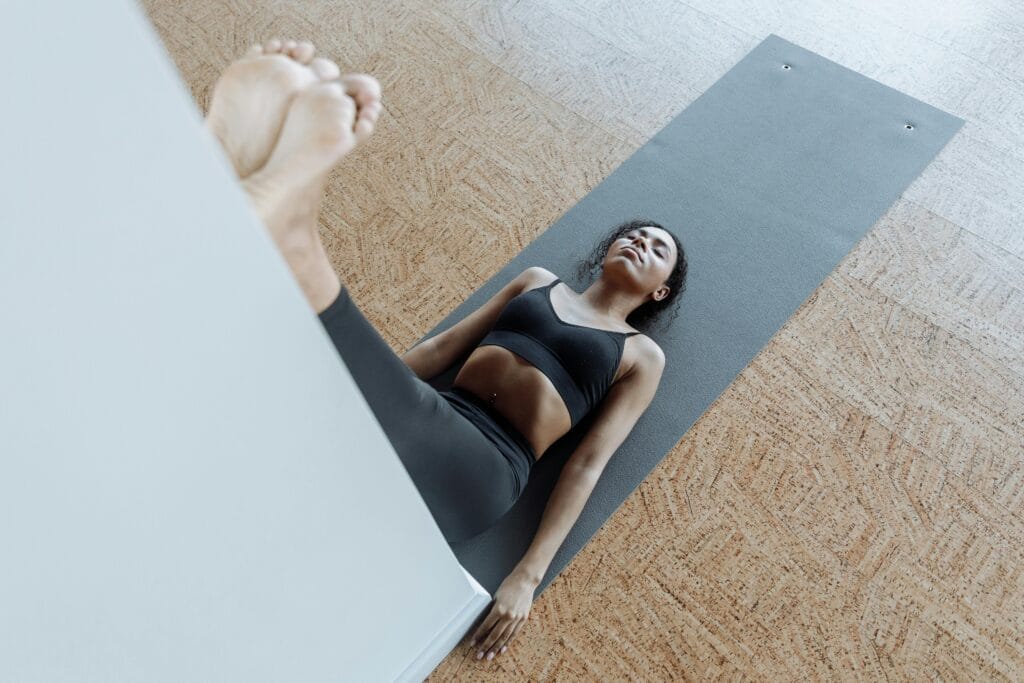
Hitting the age of 45 often marks a noticeable shift in how our bodies respond to fitness and diet. Suddenly, maintaining muscle mass becomes a serious challenge, a condition known clinically as sarcopenia. This age-related muscle loss doesn’t just make you weaker; it drastically slows your metabolism, contributes to joint pain, and diminishes overall longevity. Many people rely heavily on quick fixes like protein shakes to combat this decline, but the truth is that while protein is essential, it’s virtually useless without the right kind of physical stimulus.
The secret to truly fighting muscle loss and rebuilding strength over 45 lies in low-impact, high-efficiency resistance training. Wall exercises are the perfect solution. They use your own body weight and the stability of a wall to safely create the resistance needed to stimulate muscle protein synthesis, all while protecting vulnerable joints like the knees and back. We’ve gathered 4 wall exercises that fitness experts recommend as a superior way to trigger muscle rebuilding and metabolic health—proving you can gain strength and reverse age-related decline better than shakes alone.
The Muscle Loss Myth: Why Protein Shakes Aren’t Enough
Before diving into the exercises, we need to understand the fundamental mechanics of muscle rebuilding after 45.
The Stimulus is Key
Sarcopenia is driven by hormonal shifts, but the primary reason people continue to lose muscle is a lack of resistance stimulus.
- The Shake Problem: Protein shakes provide the building blocks (amino acids), but without heavy or high-intensity exercise, the body doesn’t receive the signal to use those blocks to build new muscle. The protein is often simply burned for energy or excreted.
- The Wall Solution: Wall exercises provide the necessary mechanical tension and muscle breakdown (the healthy kind!) required to activate muscle protein synthesis. This is the biological signal that tells the body, “I need to repair and build this muscle bigger and stronger.”
The 4 Wall Exercises That Rebuild Strength
These four exercises safely target the largest and most metabolically active muscle groups in your body—the glutes, legs, chest, and core—using just a standard wall.
1. The Wall Sit (The Quad and Metabolism Builder)
The Wall Sit is an isometric exercise that recruits massive muscle fibers in the quadriceps and glutes under continuous tension, creating a powerful anabolic stimulus.
- Action: Stand with your back flat against a wall. Slide down until your knees are bent at a 90-degree angle, as if sitting in a chair. Your thighs should be parallel to the floor, and your knees should be aligned directly above your ankles. Press your entire back firmly into the wall.
- Why it Works: This intense time-under-tension forces the muscles to recruit maximum fibers, triggering the muscle-building signal more effectively than isolated reps. It’s also incredibly safe for the knees because there is no joint movement.
- Sets/Time: 3 sets, holding for 30 to 60 seconds each.
2. Wall Push-Ups (The Upper Body Strength Protector)
As we age, upper body strength is critical for maintaining independence and good posture. Wall push-ups provide a highly scalable, safe alternative to floor push-ups.
- Action: Stand facing a wall, about arm’s length away. Place your hands slightly wider than shoulder width apart on the wall. Keeping your body in a straight line from head to heels, slowly bend your elbows to lower your chest toward the wall. Push powerfully back to the starting position.
- Why it Works: By adjusting how close your feet are to the wall, you can easily control the resistance, allowing you to consistently challenge the chest, shoulders, and triceps. Constant progression is the key to rebuilding strength.
- Sets/Reps: 3 sets of 12 to 15 repetitions.
3. Wall Squat with Ball (The Deep Core and Glute Stabilizer)
Adding a small, soft exercise ball (or rolled-up towel) behind your lower back during a wall squat forces your deep core and spinal stabilizers to engage, boosting strength and posture.
- Action: Place the ball against the wall behind your lower back. Lean gently against it. Slowly slide down into the squat position, actively using your core muscles to keep the ball from moving. The slight instability activates the transversus abdominis—your internal corset.
- Why it Works: This move turns a simple leg exercise into a powerful core-and-glute builder. A strong core is essential after 45 for safely lifting objects and reducing lower back pain.
- Sets/Reps: 3 sets of 10 to 12 slow repetitions (focus on 3 seconds down, 3 seconds up).
4. Single-Leg Wall Press (The Balance and Hip Rebuilder)
This move directly addresses a major risk of aging—poor balance—while intensely strengthening the glutes and single-leg stability crucial for walking and climbing stairs.
- Action: Stand facing the wall. Place your hands on the wall for balance. Lift your right knee up to your chest. Slowly, and with control, press the bottom of your right foot against the wall as if pushing it away. Hold the press, engaging your glutes and core. Slowly release.
- Why it Works: The active resistance against the wall powerfully recruits the gluteus maximus and hamstrings of the supporting leg, making this a safe but high-resistance substitute for heavy machine leg presses.
- Sets/Reps: 3 sets of 10 to 12 presses per leg.
Maximizing Muscle Rebuilding: Beyond the Wall
To make these 4 wall exercises truly fight muscle loss better than shakes, you need to combine the stimulus with the fuel—namely, prioritizing protein and strength training consistency.
The Protein Timing Trick
While shakes alone won’t rebuild muscle, protein timing around your workout is critical for maximizing the results of your wall exercises.
- Action: Consume 20 to 30 grams of protein within 60 minutes after your wall workout. This provides the amino acids when your muscles are primed and ready to absorb them due to the exercise stimulus.
- Best Sources: Focus on whole foods first—Greek yogurt, eggs, chicken breast, or fish. If using a shake, ensure it contains a fast-digesting protein like whey or a complete plant-based blend.
Consistency Over Intensity
Muscle rebuilding after 45 requires frequent stimulus. Since these wall exercises are low-impact, you can safely perform this routine more often.
- Action: Aim to perform this 4-exercise circuit 3 to 4 times per week. Even a small amount of resistance consistently applied will yield dramatically better results than infrequent, overly intense workouts that lead to injury.
Boosting Metabolic Health
Muscle mass is the primary driver of your basal metabolic rate (BMR). As muscle declines, your BMR slows, making weight gain easier.
- The Benefit: By rebuilding strength with these wall exercises, you inherently increase your BMR. This means your body burns more calories while you are resting, making fat loss easier and contributing significantly to longevity and anti-aging.
Final Thoughts
For those over 45 fighting muscle loss, relying solely on protein shakes misses the critical need for resistance stimulus. These 4 wall exercises are a superior solution because they safely and effectively rebuild strength by maximizing muscle tension and metabolic activation. By integrating this low-impact circuit into your routine and prioritizing timely protein intake, you actively stop the clock on sarcopenia, protect your joints, and regain the strength and vitality essential for longevity.
Related Articles
- Over 50 and Not Seeing Muscle Gains? Here’s the #1 Mistake—and How to Fix It Fast
- Harvard-Backed Japanese Walking Method That Balances Blood Sugar and Pressure Naturally
- Want Long, Lean Legs? These 5 Pilates Moves Are a Ballet Dancer’s Secret Weapon
- 10 Powerful Exercises That Fight Frailty and Keep You Moving Strong After 50
- These Women Over 60 Got Stronger, Healthier, and Happier—Thanks to Lifting Weights