FREE SHIPPING OVER $50

Our Grandparents Seem Happier for a Reason: What Aging Teaches Us About Joy

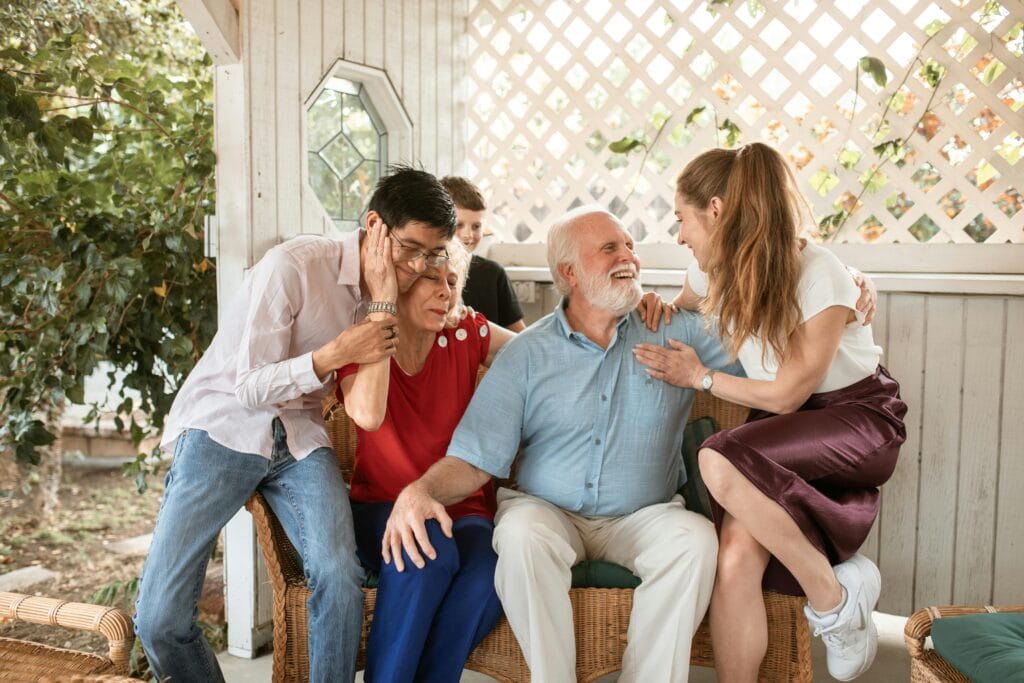
It is one of the great ironies of life. We spend our youth chasing “happiness” through career milestones, social status, and the latest tech, yet we often feel more stressed and anxious than ever. Meanwhile, many of our grandparents—despite dealing with the physical realities of aging—seem to possess a sense of peace and contentment that feels out of reach for younger generations.
You might think it’s just the lack of a 9-to-5 or the benefit of a retirement fund, but the truth is much deeper. There is a psychological phenomenon at play that experts call the “Aging Paradox.” Even as physical health declines, emotional well-being tends to trend upward.
Understanding why this happens isn’t just about looking at the elderly; it’s about uncovering a roadmap to joy that we can use at any age. Let’s look into the science of why aging actually makes the world look brighter.
The U-Bend of Happiness
If you feel like you are struggling to keep your head above water in your 30s or 40s, you aren’t alone. Research across dozens of countries has identified what is known as the “U-bend” of life. This statistical curve shows that happiness levels are high in our youth, dip to their lowest point in our 40s and early 50s, and then begin a steady climb as we age.
| Stage of Life | Typical Emotional State | Why it Happens |
| Youth (Teens – 20s) | High Optimism | New experiences and a perceived infinite future. |
| Mid-Life (30s – 50s) | Peak Stress | Career pressure, raising kids, and financial burdens. |
| Late-Life (60s+) | Increasing Contentment | Lower social pressure and better emotional regulation. |
The truth about the dip in the middle is that it’s often the period of maximum responsibility. We are “sandwiched” between caring for children and aging parents. However, once we cross that threshold, the perspective shifts in a way that prioritizes joy over achievement.
The Socioemotional Selectivity Theory
One of the primary reasons grandparents seem happier is a shift in how they view time. This is rooted in Socioemotional Selectivity Theory, developed by Stanford psychologist Laura Carstensen.
When we are young, we view time as expansive. We feel like we have forever, so we spend our energy on “knowledge acquisition.” We tolerate toxic bosses, engage in social competition, and say yes to things we hate because we think they might pay off later.
As we age, our “time horizon” shrinks. We realize that our time is limited. Instead of being depressing, this realization acts as a psychological filter. Older adults tend to stop caring about what strangers think and start focusing on what brings them immediate emotional meaning. They stop investing in superficial relationships and double down on the people who truly matter.
The Brain’s “Positivity Effect”
It isn’t just a change in perspective; it is a change in the brain itself. Studies using fMRI scans have shown that older adults’ brains actually process information differently than younger brains. This is often referred to as the Positivity Effect.
When shown a mix of positive and negative images, younger people tend to focus more on the negative. This is an evolutionary survival trait—we need to be alert to threats. However, as we age, the amygdala (the brain’s emotional center) shows decreased activation in response to negative stimuli while maintaining or increasing its reaction to positive stimuli.
In short, grandparents are often literally “hardwired” to overlook the bad and savor the good. They aren’t ignoring reality; they are simply choosing not to dwell on the parts of it that they cannot change.
The Freedom of “Letting Go”
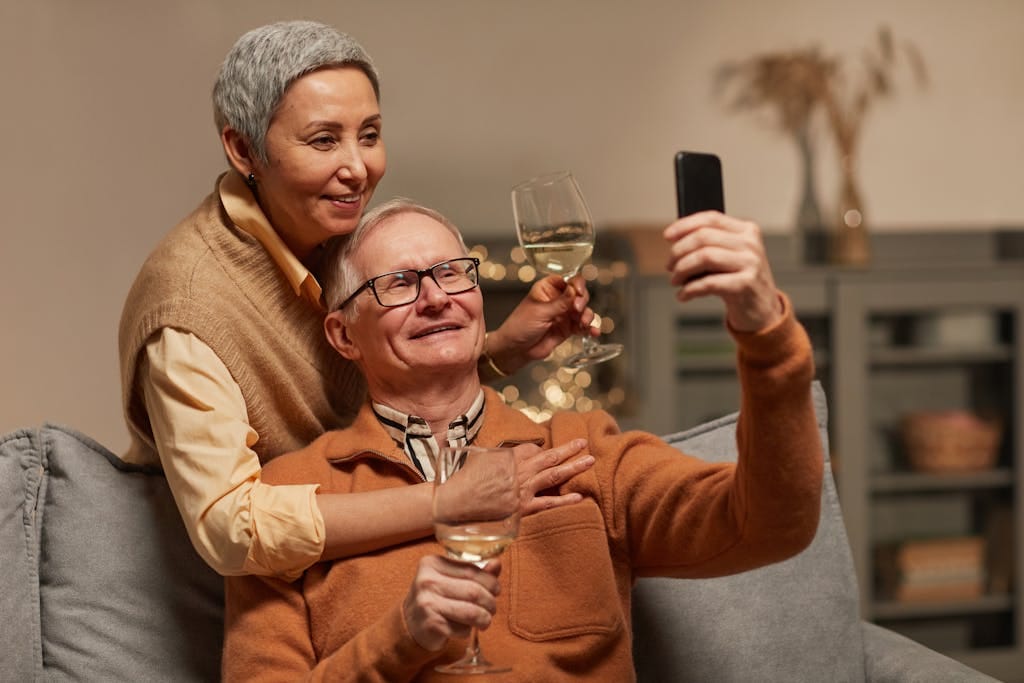
By the time you reach your 70s, you have survived a lot. You’ve likely lived through economic shifts, personal losses, and health scares. This creates a level of emotional resilience that younger people haven’t developed yet.
- Lower Social Comparison: Older adults are less likely to compare their lives to a curated Instagram feed. They know who they are and don’t feel the need to “prove” themselves.
- Acceptance of Limits: There is a profound peace that comes from accepting that you can’t do everything. Once you stop fighting your limitations, you can enjoy your capabilities.
- Emotional Regulation: Older people are generally better at resolving conflicts. They realize that most arguments aren’t worth the energy, so they let them go faster.
Lessons We Can Steal for Our Own Lives
You don’t have to wait until you’re 70 to start feeling this way. We can “hack” the aging paradox by adopting some of the habits that come naturally to the elderly.
1. Prune Your Social Circle
If a friendship feels like a chore or leaves you feeling drained, ask yourself why you are maintaining it. Older adults prioritize quality over quantity. Start doing the same now.
2. Shift Your Time Horizon
Instead of constantly living for a “someday” that might never come, ask yourself what would bring you peace today. This doesn’t mean quitting your job, but it does mean reclaiming your evenings and weekends for things that actually nourish your soul.
3. Practice Active Gratitude
The Positivity Effect can be trained. By intentionally looking for three good things that happened each day, you can begin to rewire your brain to filter for the positive, just as older brains do naturally.
How Longevity Plays a Role
It’s also worth noting that happiness and longevity are in a “feedback loop.” Happier people tend to live longer, and as they live longer, they gain the perspective that makes them happier. Chronic stress is a major contributor to inflammation and age-related diseases. By learning the emotional lessons of our grandparents, we aren’t just making our lives better—we are potentially making them longer.
| Habit | Impact on Longevity | Psychological Benefit |
| Social Connection | Lowers cortisol levels. | Provides a sense of belonging. |
| Mindfulness | Reduces blood pressure. | Keeps the focus on the present joy. |
| Purpose | Increases cognitive reserve. | Gives a reason to get up in the morning. |
Conclusion
Our grandparents seem happier because they have mastered the art of living in the present. They have moved past the “U-bend” of stress and into a phase where emotional meaning takes precedence over social climbing. They’ve learned that life isn’t about the destination, but about the quality of the company and the quiet moments along the way.
While we can’t skip the middle part of the curve entirely, we can certainly learn from the wisdom of those who have already navigated it. Joy isn’t something that happens to you once you retire; it’s a perspective you can start cultivating today by choosing what to care about and—more importantly—what to ignore.
Related Articles
- “Just Aging” or Kidney Failure? The 3 Hidden Signs Seniors (and Doctors) Often Miss
- Neurologist’s Discovery: The $0 ‘Cellular Reset’ That Makes 60-Year-Olds Age Slower Than Everyone Else
- The 7-Minute Morning Routine That Makes 55 Look Like 35 (Dermatologists Tried to Keep It Quiet)
- Doctors Stunned: The Hidden Reason Brain Hemorrhages Are Surging in Seniors Over 60
- I Was Diagnosed With Dementia at 60—The Truth I Need My Family (and You) to Hear