FREE SHIPPING OVER $50

No Time? 10 Genius Ways to Squeeze Workouts Into Your Busy Day


We have all been there. You wake up with the best intentions of hitting the gym after work, but then a morning meeting runs over, a midday crisis requires your full attention, and by 6:00 PM, the only thing you have the energy to lift is a fork. In our fast-paced culture, the traditional 60-minute gym session has become a luxury that many of us simply cannot afford. We treat fitness like an all-or-nothing game; if we can’t spend an hour under the squat rack, we assume the day is a wash. This mindset is exactly why so many people struggle to stay consistent, eventually giving up on their health goals altogether, because their calendars are just too crowded.
The breakthrough happens when you realize that your body does not have a stopwatch. Your muscles and your metabolism do not care if you did a single one-hour workout or six ten-minute “snacks” of movement throughout the day. In fact, recent studies in exercise physiology suggest that these “micro-bouts” of activity can be just as effective—if not more so—for metabolic health and fat loss. You do not need a gym membership or a massive block of free time to get in the best shape of your life; you just need these ten genius strategies to turn your daily routine into your personal training ground.
The Rise of Exercise Snacking
Before we dive into the specific methods, we have to talk about the concept of “exercise snacking.” This is the core philosophy behind fitting fitness into a busy life. Instead of viewing a workout as a destination you travel to, you view it as a brief, high-intensity stimulus you apply to your body during natural breaks in your day. Research found that people who performed brief bursts of vigorous stair climbing throughout the day improved their cardiorespiratory fitness significantly.
This approach works because it keeps your metabolism elevated and prevents the negative effects of prolonged sitting. When you sit for eight hours straight, your body effectively goes into a “hibernation mode” where insulin sensitivity drops and blood flow slows. Interrupting that sedentary state with short bursts of movement keeps your “biological engine” idling at a higher speed. Transitioning to this mindset removes the pressure of the gym and makes fitness feel like a series of small, easy wins.
10 Ways to Squeeze Workouts Into Your Busy Schedule
1. The Bedside Launch
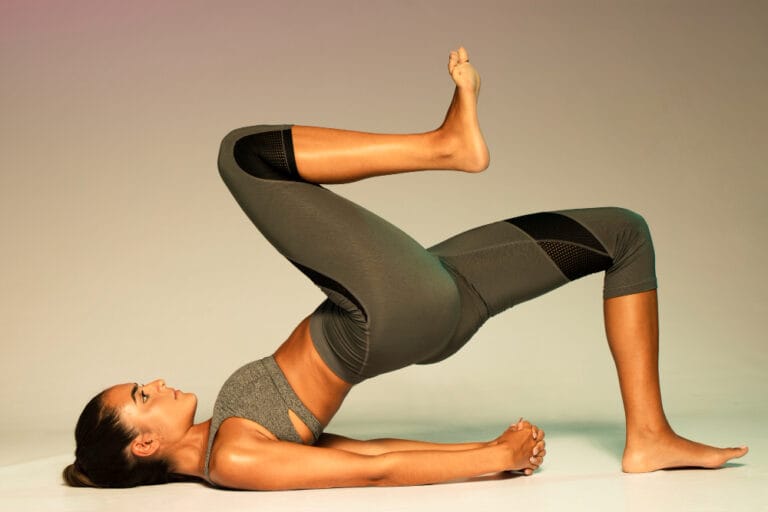
Most people start their day by scrolling through emails or social media for ten minutes before they even get out of bed. This is prime time that you can reclaim for your body. Instead of reaching for your phone, reach for your toes. Incorporating a five-minute mobility routine—think cat-cow stretches, bird-dogs, or a simple plank—wakes up your central nervous system far more effectively than caffeine. By doing this before your feet even hit the floor, you have already checked “fitness” off your list before your workday officially begins.
2. The Commute Hack
If you drive to work, you are likely sitting for another 30 to 60 minutes. While you can’t exactly lift weights while driving, you can engage in “isometric holds.” Squeezing your glutes for ten seconds and then releasing, or engaging your core as if someone is about to punch you in the stomach, builds muscle endurance and improves posture. If you take public transit, the “genius” move is to stand instead of sit. Balancing on a moving train or bus engages your stabilizer muscles and core far more than you might realize.
3. The “Microwave” Circuit
Think about how many times a day you stand in the kitchen waiting for something. Whether you are waiting for the coffee to brew, the microwave to beep, or the water to boil, those are three-minute windows of “dead time.” Instead of staring at the timer, see how many air squats or counter-top pushups you can do. If you do this three times a day, you have easily added 50 to 100 reps of a compound movement to your routine without ever changing into workout clothes.
4. Walking Meetings and “Netwalking”
The traditional conference room meeting is a productivity killer and a health hazard. Whenever possible, transition your one-on-one meetings to “walking meetings.” If you are on a conference call where you don’t need to be staring at a screen, put on your headphones and pace around your office or walk around the block. Not only are you getting your steps in, but studies also show that walking increases creative output by an average of 60%. It is a double win for your career and your waistline.
5. The Desk-Side Reset
For every hour you spend at your desk, your body pays a “sitting tax” in the form of tight hip flexors and a rounded spine. Set a silent alarm on your phone for every 50 minutes. When it goes off, perform one minute of “desk-side” movement. This could be a standing quad stretch, some calf raises, or simply reaching for the ceiling to reset your posture. These tiny intervals of movement prevent the “afternoon slump” and keep your brain oxygenated, which actually makes you more productive during your working hours.
6. Functional Chores: The “Heavy” Strategy
We often view house chores as a nuisance, but they are actually a form of functional training. When you are carrying groceries, do “farmer’s carries” by keeping your core tight and shoulders back. When you are loading the dishwasher, use it as an opportunity to practice deep lunges. If you have to carry a laundry basket, hold it out in front of your chest to engage your biceps and core. By adding a bit of “intentional intensity” to your chores, you turn a clean house into a stronger body.
7. The Social Fitness Swap
Happy hour is the default social setting for many busy professionals, but it often leads to extra calories and poor sleep. Once a week, try swapping a drink for a “social workout.” Meet a friend for a hike, a game of pickleball, or even a fast-paced walk through a local park. You still get the social connection and the stress relief, but you are burning calories instead of consuming them. Most people find that they actually have deeper conversations when they are moving side-by-side rather than sitting across a table in a loud bar.
8. Screen Time Synergy
The average adult spends over two hours a day watching TV or streaming content. This is the perfect time for “habit stacking.” Make a rule that you can only watch your favorite show if you are also doing some form of light movement. This doesn’t have to be a full-blown HIIT workout; it can be as simple as foam rolling, stretching, or using a resistance band. If you are watching a 30-minute show, you can do a circuit of 10 lunges every time there is a commercial break or a scene change. By the time the credits roll, you will have completed a substantial workout without even realizing it.
9. The Two-Minute Rule for Consistency
The biggest barrier to working out when you are busy is the mental effort required to start. To bypass this, use the “Two-Minute Rule.” Tell yourself you are only going to work out for 120 seconds. Anyone can do two minutes of jumping jacks or mountain climbers. Usually, once you start, the “proprioceptive feedback” tells your brain that you actually feel good, and you will likely keep going for ten or fifteen minutes. But even if you stop at two minutes, you have maintained the habit, which is the most important part of long-term fitness.
10. The Bedtime Mobility Flow
Finally, use the last few minutes of your day to reset your nervous system. A slow-paced stretching routine before bed—focused on the hips and lower back—can significantly improve your sleep quality. Better sleep leads to better hormone regulation, which makes it easier to manage your weight and energy levels the following day. This “closet workout” ensures that you end your day on a high note, feeling limber rather than stiff and stressed.
The Science of Small Gains
It is easy to dismiss these strategies as “not enough,” but the math tells a different story. If you incorporate just five of these ten-minute “snacks” into your day, you have completed 50 minutes of exercise. Over a five-day work week, that is 250 minutes of movement. This exceeds the American Heart Association’s recommendation of 150 minutes of moderate activity per week—all without ever actually “going to the gym.”
Specifically, this approach helps manage your blood glucose levels. Every time you contract a muscle, it pulls sugar out of your bloodstream to use as fuel. By spreading your movement throughout the day, you prevent the massive glucose spikes that lead to fat storage and energy crashes. This is the “genius” part of the strategy: you aren’t just fitting fitness in; you are using it to optimize your biology in real-time.
Final Thoughts
The “no time” excuse is only valid if you define a workout as an hour-long ordeal in a specific building. Once you embrace the power of exercise snacking and habit stacking, the world becomes your gym. These ten genius ways to squeeze workouts into your day allow you to maintain your fitness goals without sacrificing your career or your family time. You don’t need more hours in the day; you just need to be more intentional with the minutes you already have. True health is built in the small, unremarkable moments of consistency, not just the occasional hour of intensity.
Related Articles
- Unwrap The Holiday Gift of Strength: How Training Adds Years to Your Life
- Doctors Said He’d Never Be Strong Again at 65—This Navy SEAL Proved Them Wrong with 5 Simple Exercises
- Longevity Experts Reveal: 10 Powerful Workouts That Stop Frailty and Keep You Agile for Life
- The HIIT Routine Seniors Swear By for Staying Strong, Lean, and Energized
- He Couldn’t Climb Stairs at 60—6 Months of Bedroom Exercises Left Doctors Speechless