FREE SHIPPING OVER $50

New Gel Repairs Tooth Enamel in Weeks — Dentists Are Stunned

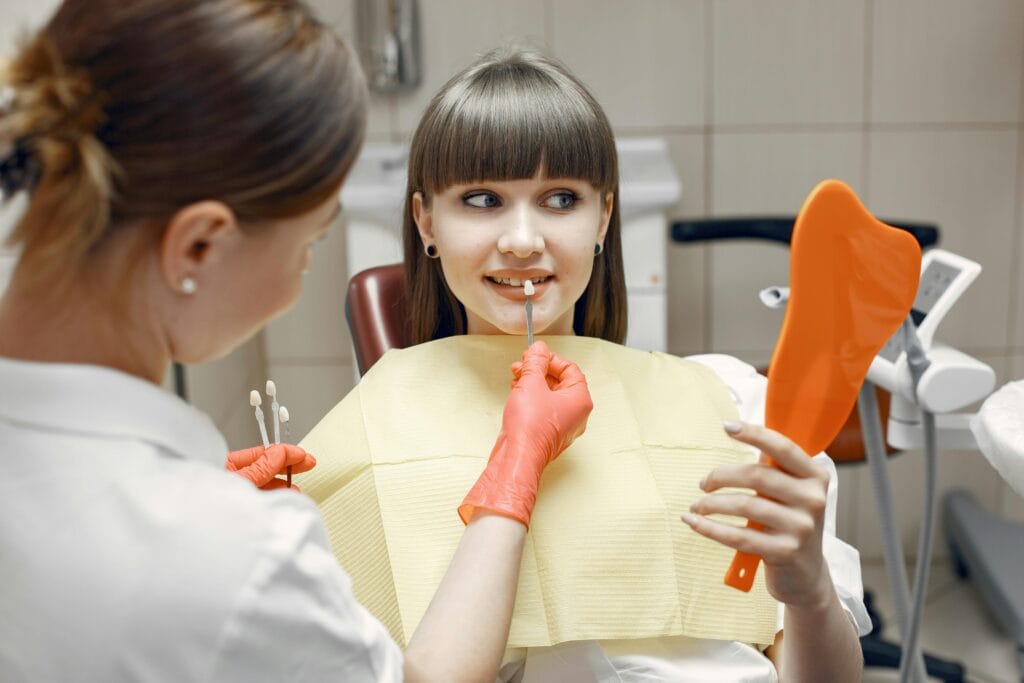
For decades, the dental industry has operated on a simple, albeit painful, premise: once your enamel is gone, it is gone for good. Tooth enamel is the hardest tissue in the human body, but unlike your skin or bones, it does not have the cellular machinery to heal itself. When a cavity forms, the standard solution involves a high-speed drill, the removal of decayed tissue, and the insertion of a synthetic filling. While effective, these fillings are not permanent. They eventually shrink, leak, or crack, leading to a cycle of dental work that follows most patients for a lifetime.
However, a massive shift in regenerative medicine is currently turning the dental world upside down. Researchers have developed a breakthrough gel that doesn’t just “patch” a tooth; it actually mimics the natural mineralizing process of the body to regrow native enamel. This isn’t just a better filling material; it is a biological “reset” button for your smile. For anyone who dreads the sound of the dental drill, this “liquid enamel” represents the beginning of a painless era in oral health.
The Science of “Liquid Enamel”: How It Works
To understand why this is such a big deal, we have to look at the structure of a tooth. Enamel is made of a complex arrangement of hydroxyapatite crystals. In a healthy mouth, your saliva naturally bathes your teeth in minerals like calcium and phosphate, attempting to “remineralize” small weak spots. But once the acid from sugar and bacteria eats a deep enough hole, your saliva can no longer keep up. The damage becomes too structural for nature to handle alone.
The new regenerative gel uses a sophisticated “biomimetic” approach. It contains a specific peptide chain—essentially a string of proteins—that acts as a scaffold. When this gel is applied to a damaged tooth, the peptides organize themselves into a structure that looks exactly like the natural protein matrix found in developing teeth. This scaffold then “calls out” to the calcium and phosphate already present in the mouth, locking them into place to form new, hard hydroxyapatite crystals.
Why Dentists Are Stunned by the Results
In clinical trials and laboratory testing, the results have been nothing short of miraculous. Traditional remineralization treatments, like high-fluoride toothpastes, only fix the very surface layer of the tooth. This often leaves the deeper “soft spots” vulnerable to future decay. The new gel, however, penetrates deeper into the porous structure of the enamel.
| Feature | Traditional Fillings | Regenerative Gel |
| Material | Resin, Porcelain, or Metal | Native Hydroxyapatite |
| Procedure | Requires drilling and anesthesia | Painless topical application |
| Longevity | 5 to 15 years (needs replacement) | Permanent (integrates into the tooth) |
| Recovery | Numbness and sensitivity | Immediate |
Within just 48 hours of application, a thin layer of new enamel begins to form. Over the course of a few weeks, this layer thickens and hardens until it is virtually indistinguishable from the original tooth.
The End of Tooth Sensitivity?
One of the biggest hidden benefits of this technology is the potential cure for chronic tooth sensitivity. Sensitivity usually occurs when the enamel thins out, exposing the dentin beneath. Dentin contains thousands of microscopic tunnels that lead directly to the nerve of the tooth. When you drink something cold, the fluid in these tunnels moves, triggering a sharp pain response.
Traditional “sensitivity” toothpastes work by temporarily plugging these holes with potassium or minerals. But as soon as you stop using the toothpaste, the plugs wash away. The regenerative gel offers a permanent solution by literally “re-paving” the tooth. By growing a fresh, thick layer of enamel over the exposed dentin, the gel seals those tunnels permanently, cutting off the path to the nerve and ending sensitivity for good.
A Solution for the “Filling Cycle”
The average American will have several fillings by the time they reach age 50. The problem with these fillings is that they create a structural weakness. Every time a filling is replaced, the dentist has to remove a little bit more of the natural tooth to ensure a “clean” bond. Eventually, the tooth becomes so hollowed out that it requires a crown, then a root canal, and finally an extraction.
Regenerative gel breaks this cycle. Because it uses the body’s own building blocks to create new tissue, the bond is seamless. There is no “edge” between the filling and the tooth for bacteria to hide under. This “biological integration” means the tooth stays strong and whole, significantly reducing the likelihood that a small cavity will eventually turn into a lost tooth.
When Can You Get It? The Timeline for Global Use
While the science is ready, the transition to your local dental office is a multi-step process. Currently, various versions of these regenerative peptides are in different stages of FDA approval and clinical trials in the US and Europe. Some “precursor” products are already appearing in the form of high-end mineralizing toothpastes and professional varnishes used to treat “white spot” lesions (the precursors to cavities).
However, the full-strength “gel-and-light” treatment that can replace a traditional filling is expected to hit mainstream clinics in the next few years. In the meantime, the industry is shifting toward “minimally invasive” dentistry, where the focus is on preserving as much of the natural tooth as possible using these new chemical breakthroughs.
How to Support Enamel Regeneration Now
You don’t have to wait for the gel to hit the shelves to start protecting and “resetting” your enamel. While we can’t yet regrow a deep hole at home, we can optimize our mouth’s chemistry to favor remineralization over decay.
- Optimize Your Saliva: Saliva is your body’s primary delivery system for the minerals that build enamel. Chewing xylitol gum after meals increases saliva flow and raises the pH of your mouth, making it easier for calcium to bond to your teeth.
- Nano-Hydroxyapatite Toothpaste: You can already buy toothpastes that contain nano-hydroxyapatite, the same material the gel uses. While it isn’t as concentrated as the professional gel, it helps “fill in” microscopic scratches and provides the raw materials for repair.
- Monitor Acid Intake: Enamel begins to dissolve at a pH of 5.5. Every time you sip a soda or coffee, your mouth stays in an “acidic state” for about 20 minutes. Reducing the frequency of these “acid attacks” gives your natural repair mechanisms more time to work.
The Future of Preventive Oral Care
The ultimate goal of this research isn’t just to fix cavities—it’s to prevent them from ever forming. Imagine a future where, during your six-month cleaning, the hygienist applies a “maintenance gel” to your teeth that repairs all the microscopic wear and tear from the previous half-year. This would essentially make the “cavity” an obsolete medical condition.
Furthermore, this technology has massive implications for children. If we can apply regenerative gels to a child’s permanent teeth as they emerge, we can “seal” their oral health for a lifetime, sparing an entire generation from the trauma and expense of traditional dental surgery.
Related Articles
- The Silent Stroke Trigger: Why Your Gums Are the Most Overlooked Predictor of a “Brain Attack”
- Forget the Drill: The ‘Enamel Armor’ Foods That Make Your Teeth Virtually Cavity-Proof
- You’re Probably Using Your Electric Toothbrush Wrong—Here’s What Dentists Say to Do Instead
- Dentists Are Alarmed: These 3 Popular Supplements May Be Slowly Destroying Your Teeth
- Turning 50? Here’s What Happens to Your Teeth—and How to Stop the Damage