FREE SHIPPING OVER $50

Nature’s “Longevity Pill”: Why Science Is Obsessed With Pomegranate Seeds For Anti-Aging

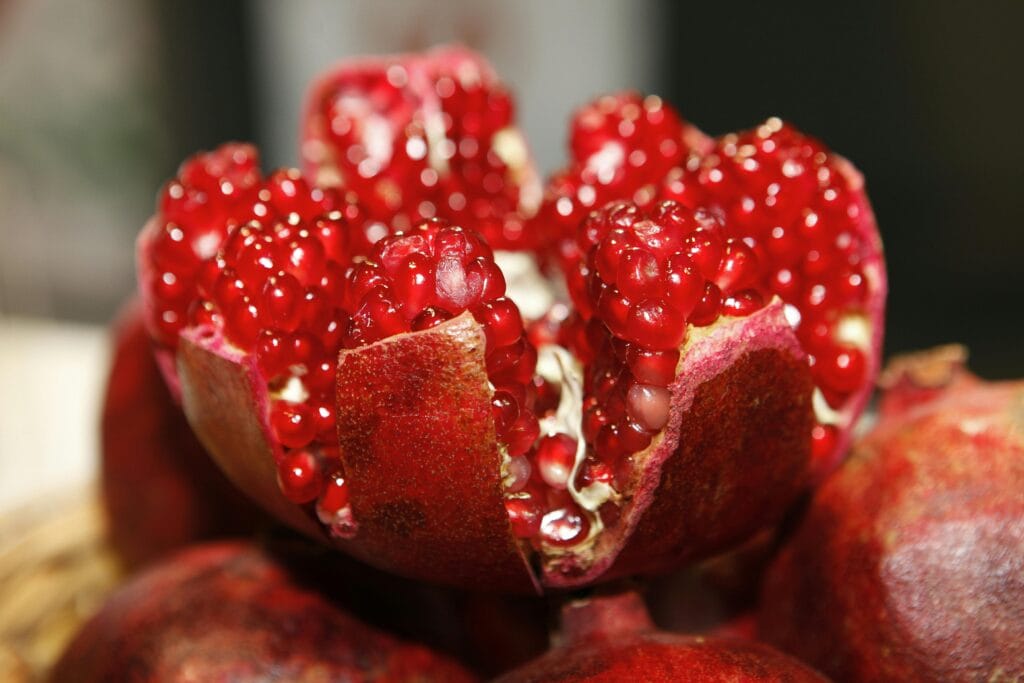
For decades, we have been told that the “Fountain of Youth” is likely hidden in a high-tech laboratory or a rare, expensive supplement bottle. We have spent billions of dollars on anti-aging creams, experimental serums, and biohacking gadgets, all in an attempt to slow the relentless march of time. However, it turns out that one of the most potent weapons against cellular decay has been sitting in the produce aisle of your local grocery store all along. Pomegranate seeds, those tiny, jewel-like arils, have transitioned from being a mere salad garnish to becoming the primary focus of researchers worldwide who study longevity.
The reason for this sudden surge in scientific excitement boils down to a remarkable process called mitophagy—the biological equivalent of a cellular deep-clean. As we age, our mitochondria (the structures that produce energy in our cells) become damaged and sluggish, leading to the fatigue, brain fog, and muscle loss we associate with getting older. Most foods provide fuel, but pomegranate seeds contain specific precursors that allow our bodies to create a rare compound that actually “recycles” these old, tired mitochondria. By consuming these seeds, you aren’t just eating fruit; you are essentially giving your body the instructions it needs to perform a cellular reboot.
The “Urolithin A” Breakthrough: The Secret to Cellular Rebirth
To understand why pomegranates are the gold standard for anti-aging, we have to talk about a molecule called Urolithin A. This isn’t something you find directly in the fruit. Instead, pomegranates contain high concentrations of polyphenols known as ellagitannins. When you eat the seeds, your gut microbiome goes to work, converting these ellagitannins into Urolithin A. This compound is the “magic” that has scientists so excited.
Urolithin A is one of the only known substances that can trigger mitophagy. Think of your mitochondria like the batteries in your smartphone. Over time, those batteries lose their ability to hold a charge, and eventually, they start to leak and cause damage to the phone’s internal components. Mitophagy is the process by which your body identifies these “leaking batteries” and breaks them down to build brand-new, high-capacity ones.
Research has shown that Urolithin A can significantly improve muscle function and endurance in older adults. By clearing out the “zombie” mitochondria that contribute to inflammation and weakness, this pomegranate-derived nutrient helps your body maintain a younger biological age than what is written on your birth certificate.
Why You Must Stop Spitting the Seeds
Many people love the juice but find the crunch of the actual seeds (the arils) annoying. This is a major mistake if longevity is your goal. While the juice contains the polyphenols needed for Urolithin A, the white, fibrous seed at the center contains the insoluble fiber and specific oils that regulate how those nutrients are absorbed.
The seed itself is a powerhouse of punicic acid, an Omega-5 fatty acid that is incredibly rare in nature. Punicic acid is a potent anti-inflammatory agent that specifically targets “silent inflammation” in the brain and heart. When you eat the whole seed, you are getting a time-released dose of antioxidants that the juice alone cannot provide.
Pomegranate Seeds vs. Standard Anti-Aging Superfoods
| Feature | Pomegranate Seeds (Arils) | Blueberries | Green Tea (Matcha) |
| Primary Longevity Compound | Urolithin A (Precursor) | Anthocyanins | EGCG |
| Cellular Impact | Mitochondrial Recycling | DNA Protection | Metabolic Boost |
| Heart Health Benefit | Artery “Power-Wash” | Improved Circulation | Cholesterol Management |
| Skin Benefit | Internal UV Protection | Collagen Support | Reduced Redness |
| Key Advantage | Triggers Mitophagy | High Antioxidant Load | Focus and Clarity |
The “Artery Broom”: Protecting Your Heart
Heart health is a cornerstone of longevity, and pomegranates have earned the nickname “the artery broom” for good reason. Chronic inflammation and high cholesterol lead to the buildup of plaque in the arteries, which eventually narrows the pathways for blood flow. Pomegranate seeds help reverse this process by increasing the activity of an enzyme called paraoxonase 1 (PON1).
This enzyme prevents “bad” LDL cholesterol from oxidizing. Oxidized cholesterol is the “sticky” kind that clings to your artery walls. By keeping your cholesterol in a liquid, non-oxidized state, pomegranates ensure that your blood flows freely to your brain and extremities. In one famous study, patients with severe carotid artery blockage who drank pomegranate juice (rich in seed polyphenols) for one year saw a 30% reduction in arterial plaque, while the control group saw a 9% increase.
The “Internal Glow”: Skin Protection from Within
Most people spend a fortune on Retinol and Vitamin C serums, but your skin’s health is largely determined by what you eat. Pomegranate seeds offer a unique form of “internal sun protection.” The polyphenols in the seeds have been shown to protect skin cells from UV-induced damage, which is the primary cause of wrinkles and “age spots.”
Furthermore, pomegranates stimulate the production of Type I collagen. As we age, our collagen breaks down, leading to sagging skin. The nutrients in pomegranate seeds inhibit the enzymes that eat away at your collagen, helping to maintain the structural integrity of your face and neck. When people talk about the “pomegranate glow,” they aren’t just talking about a temporary flush; they are talking about a permanent improvement in skin density and hydration.
The “Catch”: Not Everyone Can Make the Longevity Molecule
While pomegranates are objectively healthy for everyone, there is a fascinating “catch” in the science. Recent studies suggest that only about 30% to 40% of the population has the specific gut bacteria required to convert pomegranate polyphenols into Urolithin A.
This is why the “Longevity Pill” metaphor is so accurate. If your gut microbiome is imbalanced due to a poor diet or antibiotic use, you might not be getting the full mitochondrial-recycling benefits. However, don’t let this discourage you. Even if you aren’t a “high converter,” the seeds still provide:
- Prebiotic Fiber: Which helps grow the very bacteria you need to become a converter.
- Vitamin K: Essential for bone density and blood clotting.
- Potassium: Which helps manage blood pressure.
- Nitric Oxide Boosters: Which improve exercise performance and energy levels.
The best way to ensure you are getting the anti-aging benefits is to consume pomegranates regularly. Consistency allows your microbiome to adapt and become more efficient at processing these complex molecules.
Conclusion
The transition of the pomegranate from an ancient symbol of fertility to Nature’s Longevity Pill is backed by some of the most rigorous nutritional science of the 21st century. By focusing on mitochondrial health and the production of Urolithin A, these seeds provide a direct path to cellular repair and anti-aging that most other superfoods simply cannot match. So stop treating this fruit as a seasonal treat and start viewing it as a daily requirement for your longevity protocol. The science is clear: the secret to aging well is hidden in the crunch.
Related Articles
- Forget Pomegranate Seeds: The $2 Superfood with 5x More Antioxidants (Plus 9 Others You’re Missing)
- Never Do This After Eating Salty Foods—Doctors Say It Can Spike Heart Attack Risk
- David Bars for Rapid Fat Loss & Muscle? The Shocking Truth Revealed!
- Constipated? These 5 Drinks Are Your Instant Bathroom Pass (Seriously!)
- Stop Cravings Cold! The 10 “Clean” Protein Bars That Actually Keep You Full (Trainer Approved!)