FREE SHIPPING OVER $50

“Just Aging” or Kidney Failure? The 3 Hidden Signs Seniors (and Doctors) Often Miss


We often accept a decline in energy, sleep quality, and physical comfort as a mandatory tax on our later years. When a person in their 70s mentions feeling tired or noticing swollen ankles, the standard response is usually a sympathetic comment about “not being as young as we used to be.” This cultural narrative creates a dangerous blind spot. It encourages us to ignore subtle biological signals that are actually screams for help. Chronic Kidney Disease (CKD) is a “silent killer” because it hides in plain sight, mimicking the general signs of getting older until the damage is nearly irreversible.
Your kidneys are sophisticated chemical factories that balance minerals, regulate blood pressure, and keep your blood chemistry pristine. Because our “renal reserve” is so vast, you can lose up to 90% of kidney function before feeling truly “sick.” Consequently, millions of seniors live with failing filters without realizing it. To protect your longevity, you must distinguish between the normal wear of aging and the specific indicators of kidney distress. Most ten-minute medical check-ups miss these details, making it essential for you to recognize the red flags yourself.
Why Standard Blood Tests Often Fail Seniors
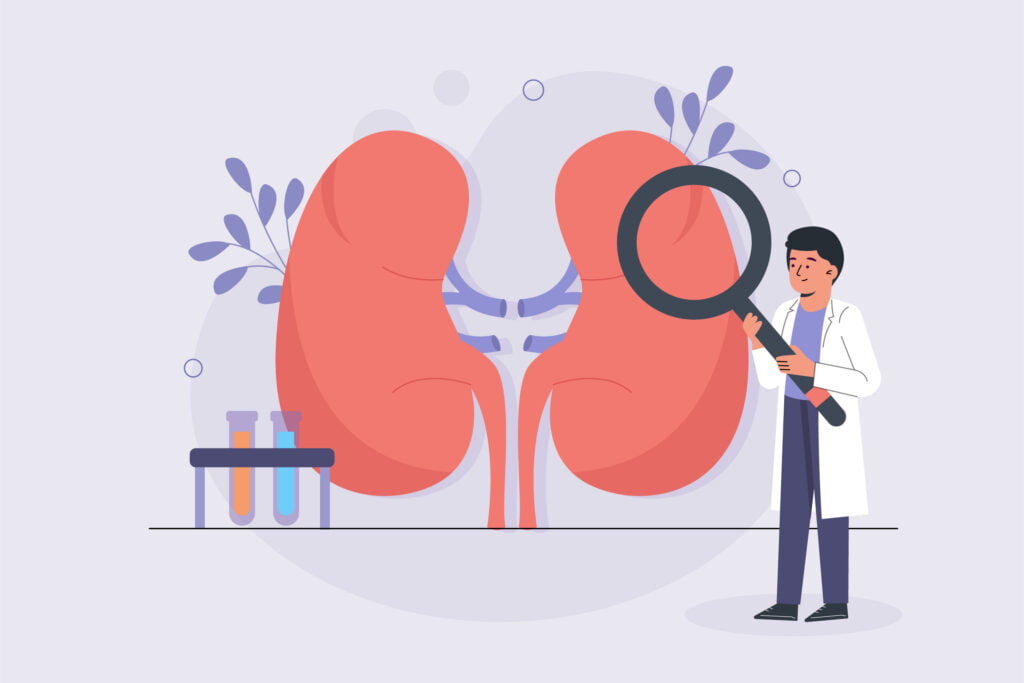
The medical system frequently misses early kidney disease because the standard Creatinine test can be misleading for older adults. Creatinine is a waste product from muscle. Since many seniors naturally lose muscle mass (sarcopenia), they produce less creatinine. A blood test might show a “normal” level even if the kidneys are struggling to filter it out.
Doctors who rely only on these numbers without calculating the Estimated Glomerular Filtration Rate (eGFR) based on age and gender might miss Stage 3 kidney disease. This “statistical trap” is why you must advocate for a deeper look at your labs.
Symptom Comparison: Aging vs. Kidney Distress
| Common Symptom | Standard Dismissal | The Kidney Reality |
| Persistent Fatigue | “Just slowing down” | Anemia from lack of EPO hormone. |
| Swollen Ankles | “Poor circulation” | Sodium retention and fluid buildup. |
| Itchy Skin | “Dry winter air” | High phosphorus and mineral imbalance. |
| Sleep Problems | “Insomnia” | Accumulation of toxins (Uremia). |
| Frequent Urination | “Bladder issues” | Damaged filters “leaking” excess fluid. |
Hidden Sign 1: “Metallic” Fatigue and Brain Fog
Kidney-related exhaustion is different from normal tiredness. It is often described as a heavy, “metallic” feeling that persists regardless of rest. This happens because failing kidneys produce less erythropoietin (EPO), the hormone responsible for creating oxygen-carrying red blood cells. When EPO drops, anemia sets in, leaving you breathless and drained.
Additionally, as filters struggle, toxins like urea build up in the bloodstream. This condition, called uremia, can cross the blood-brain barrier. Many families mistake the resulting “brain fog” or lack of concentration for early-stage dementia. If your cognitive sharpness has dulled alongside a “toxic” feeling of exhaustion, your kidneys are a likely culprit.
Hidden Sign 2: The “Sub-Dermal” Itch and Skin Changes
Chronic itching in seniors is usually blamed on dry skin or a lack of humidity. However, kidney-related itching (uremic pruritus) is a clinical sign of mineral imbalance. When kidneys cannot balance calcium and phosphorus, the excess phosphorus triggers an intense itch that feels like it is coming from under the skin.
Pay close attention to changes in skin tone as well. Healthy kidneys filter out pigments called urochromes. When they fail, these pigments build up in the tissues, giving the skin a sallow, grayish, or yellowish-brown tint. If the moisturizer doesn’t help the itch, or if your skin looks “earthy” or leathery, it is time for a renal panel.
Hidden Sign 3: “Bubbly” Urine and the “Midnight Run”
Many believe that if they are still urinating regularly, their kidneys are fine. In reality, damaged kidneys often cause increased urination, especially at night (nocturia). Damaged nephrons lose the ability to concentrate urine, forcing the body to produce more volume to flush out waste.
The quality of the urine is even more telling. If your urine looks foamy or “bubbly”—like the suds in a glass of beer—it indicates proteinuria. This means protein (albumin) is leaking out of your blood. Think of your kidney as a coffee filter; a healthy filter keeps the grounds in the pot. Foamy urine means there is a hole in your filter, which is one of the earliest signs of kidney damage.
The Heart-Kidney Connection
Your kidneys and heart operate as a single system. Kidneys regulate blood volume and arterial tension. When kidney function drops, blood pressure often spikes because the body cannot manage sodium and fluid. This creates a “vicious cycle” where high blood pressure further damages the delicate vessels in the kidneys.
If you have suddenly developed high blood pressure that is difficult to control with medication, it is rarely just a heart issue. It is often a sign that the kidneys are not functioning properly. Protecting your renal filters is one of the most effective ways to prevent heart failure and strokes as you age.
Critical Action Plan: What to Ask Your Doctor
To ensure your kidneys are actually healthy, you need to be proactive during your next appointment. Request these specific evaluations:
- Calculate the eGFR: Don’t just look at the creatinine number. Ensure your doctor calculates your filtration rate based on your age and weight.
- The ACR Urine Test: Request a Urine Albumin-to-Creatinine Ratio. This test detects protein “leakage” long before it shows up on a standard blood test.
- Review Nephrotoxic Meds: Many over-the-counter pain relievers, like Ibuprofen or Naproxen, are devastating to senior kidneys. Ask for “kidney-safe” pain management options.
- Blood Pressure Check: If your numbers are rising, ask for a kidney ultrasound to rule out renal artery issues.
Conclusion
Distinguishing between “just aging” and kidney failure is essential for long-term vitality. Because the kidneys are such silent workers, you must stay vigilant for the 3 hidden signs: “metallic” fatigue, the persistent uremic itch, and foamy urine. These aren’t just quirks of getting older; they are clinical indicators of organ stress. Chronic Kidney Disease is manageable if caught in the early stages, but it requires moving beyond standard medical shrugs. By advocating for an eGFR and an ACR test, you protect your heart and your independence.
Related Articles
- Neurologist’s Discovery: The $0 ‘Cellular Reset’ That Makes 60-Year-Olds Age Slower Than Everyone Else
- Figs: The Anti-Aging Superfood With 15 Benefits Doctors Say You’re Missing
- The 7-Minute Morning Routine That Makes 55 Look Like 35 (Dermatologists Tried to Keep It Quiet)
- Doctors Stunned: The Hidden Reason Brain Hemorrhages Are Surging in Seniors Over 60
- I Was Diagnosed With Dementia at 60—The Truth I Need My Family (and You) to Hear