FREE SHIPPING OVER $50

Italian Women Age Differently Than Most of the Western World — Researchers Are Finally Explaining Why

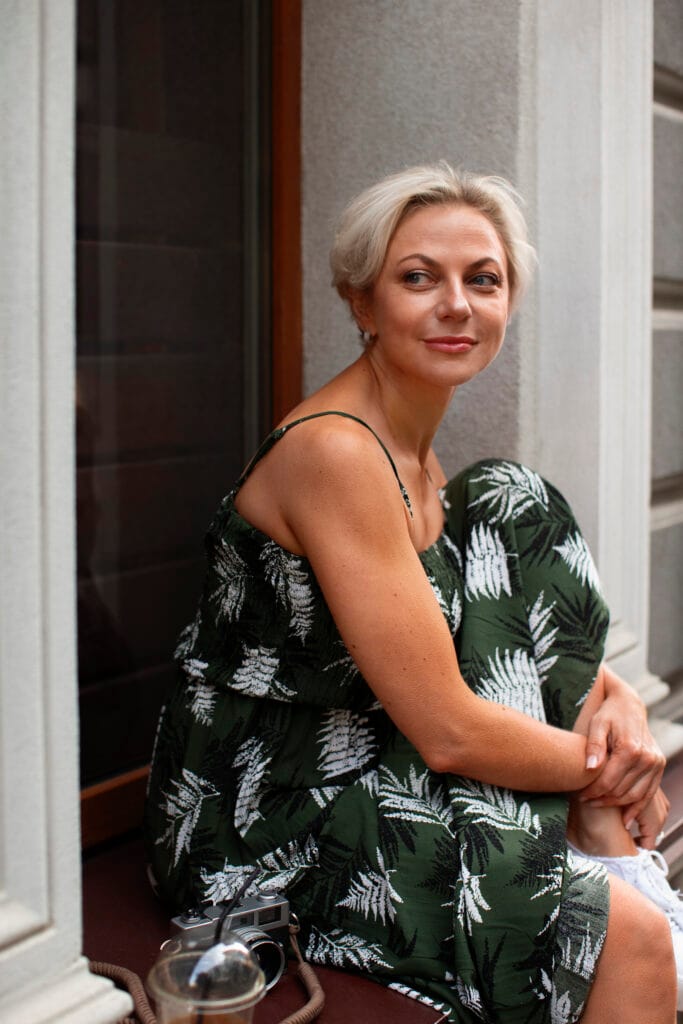
If you have ever strolled through a sun-drenched piazza in Rome or a hillside village in Sardinia, you have likely noticed something striking: the women there don’t just “look good” for their age—they seem to be operating on a completely different biological clock. While the rest of the Western world spends billions on anti-aging serums and invasive procedures, Italian women often maintain a radiant, “lit-from-within” glow and remarkable mobility well into their 80s and 90s. For decades, we chalked this up to “good genes” or the occasional glass of red wine, but new research is finally revealing the mechanical truth. It turns out that their secret isn’t a single product; it is a synergistic combination of “micro-movements,” specific gut-health markers, and a cultural rejection of the high-stress “hustle” that accelerates cellular aging in the U.S. Researchers are now calling this the “Sardinian Protocol,” and the best part is that these habits are entirely replicable, no matter where you live.
The “Biological Age Gap” Explained
In early 2025, a landmark study published in Nature Medicine utilized machine learning to analyze the “bio-behavioral age gap” across 40 countries. The results were staggering: Italian women consistently showed a biological age that was 10 to 17 years younger than their chronological age. While their American counterparts often face “accelerated aging” due to chronic inflammation and metabolic stress, Italian women seem to possess a “cellular shield” that slows down the shortening of telomeres—the protective caps on our DNA.
Scientists have identified that this isn’t just about what they eat; it is about the Exposome. This term refers to the sum of everything an individual is exposed to over a lifetime. In Italy, the exposome is characterized by high social connectivity, low-processed food environments, and a built-in “movement economy” that keeps the metabolism humming without the need for a gym membership.
The Gut-Skin Connection: The Bifidobacterium Factor
One of the most fascinating breakthroughs in longevity research involves the gut microbiome of Italian centenarians. Researchers examining the late Maria Branyas Morera (who lived to 117) and other long-lived Italian women found unusually high levels of a bacterial genus called Bifidobacterium.
In most Westerners, this “youth bacteria” declines sharply after age 50, leading to systemic inflammation—often called “inflammaging.” However, Italian women maintain these levels through a lifelong habit of consuming specific fermented foods. This “anti-inflammatory microbiome” doesn’t just protect the heart and brain; it directly impacts skin elasticity and prevents the “sallow” look associated with aging in the U.S.
Longevity Markers: Italy vs. Typical Western Standards
| Marker | Typical Western Profile | Italian “Sardinian Protocol” Profile |
| Bifidobacterium Levels | Low (Declines after 50) | High (Maintained through age 100) |
| Telomere Length | Rapid Shortening (Stress-induced) | Slower Attrition (Anti-inflammatory diet) |
| Movement Pattern | Sedentary with “Gym Spikes” | Consistent Low-Intensity (VILPA) |
| Social Structure | Higher Isolation/Nuclear Family | Multi-generational/Strong Community |
| Dietary Focus | High Protein/Processed Carbs | High Polyphenol/Healthy Fats |
The “Passeggiata” and the Science of Micro-Bursts
You have probably heard of the Passeggiata—the traditional Italian evening stroll. To an outsider, it looks like a simple social walk. To a longevity scientist, it is a masterclass in VILPA (Vigorous Intermittent Lifestyle Physical Activity).
Because many Italian towns are built on hills and feature cobblestone streets, a “simple walk” involves constant micro-adjustments in balance and brief bursts of intensity. This type of movement is far more effective for longevity than a 45-minute treadmill session once a day. These “micro-bursts” improve insulin sensitivity and keep the lymphatic system moving, which is crucial for clearing out the cellular waste that causes skin to look aged and tired.
The “Liquid Gold” Secret: More Than Just Heart Health
While the world knows that Italians love olive oil, most people underestimate the dosage. A typical Italian woman may consume between two and four tablespoons of high-quality, uncooked extra-virgin olive oil (EVOO) daily.
Today, we now understand that EVOO is a “senolytic” food. It contains a compound called Oleocanthal, which specifically targets and removes “zombie cells”—old cells that refuse to die and instead hang around, secreting inflammatory signals to neighboring healthy cells. By “drizzling” their way to health, Italian women are essentially performing a daily cellular cleanup that prevents the physical and internal signs of aging.
3 “Invisible” Habits You Can Start Today
You don’t have to move to Tuscany to adopt the Italian aging model. Researchers suggest focusing on these three specific “Sardinian” shifts:
- The 12-Hour Reset: Following the lead of longevity experts like Dr. Valter Longo, many Italians naturally practice 12-hour intermittent fasting (e.g., eating between 8 a.m. and 8 p.m.). This gives the body a “digestive rest” that triggers autophagy—the process where cells repair themselves.
- Polyphenol Loading: Instead of focusing on “macros” (carbs/fats), focus on colors. The deep purple of Cannonau wine, the dark greens of wild herbs, and the bright reds of sun-ripened tomatoes are all markers of polyphenols that fight oxidative stress in the skin.
- The “Social Buffer”: Italian culture prioritizes the “piazza” over the “screen.” Strong social ties have been shown to lower cortisol levels more effectively than almost any supplement. Reducing “loneliness-induced inflammation” is perhaps the most powerful anti-aging tool in the Italian arsenal.
Why “Natural Beauty” is a Longevity Strategy
In the U.S., the “anti-aging” market is dominated by aggressive treatments—dyeing hair, lash extensions, and fillers. Interestingly, Italian beauty culture tends to favor a “natural” approach that prioritizes skin health over skin “correction.”
By avoiding aggressive chemical treatments and focusing on hydration and sun protection (which helps synthesize Vitamin D without the burn), Italian women avoid the “premature thinning” of hair and skin that often results from over-processing. They view beauty as an outward reflection of internal vitality, which encourages them to eat for their skin rather than just buying products for it.
The Role of “La Dolce Vita” (The Sweet Life)
Finally, we cannot ignore the psychological component. The Italian concept of La Dolce Vita isn’t about laziness; it is about Tranquility. Chronic stress is one of the primary drivers of “biological aging.” By valuing “order, family, and emotional stability,” Italian women maintain a nervous system that stays in a “rest and digest” state rather than a “fight or flight” state.
This lower stress load translates to lower levels of cortisol. Since cortisol is known to break down collagen, Italian women are quite literally “saving” their skin by refusing to participate in the high-stress culture that defines much of the Western world.
Related Articles
- The Stroke Risk Factor Your Dentist Sees Before Your Cardiologist Does — and Most Patients Never Get Told
- The Specific Gut Bacteria Found in Nearly Every Person Who Lives Past 100 — and How to Get More of It
- Cardiologists Have Known About This Heart Attack Risk Reducer for Years — Most Patients Never Hear About It
- Addition by Subtraction: 15 Normal Habits I Killed at 65 to Reverse My Biological Age
- Take This Daily? New Evidence Shows Multivitamins May Cut High Blood Pressure Risk as You Age