FREE SHIPPING OVER $50

Is Your Collagen Aging You? 5 Hidden Risks Your Favorite Brand Won’t Mention

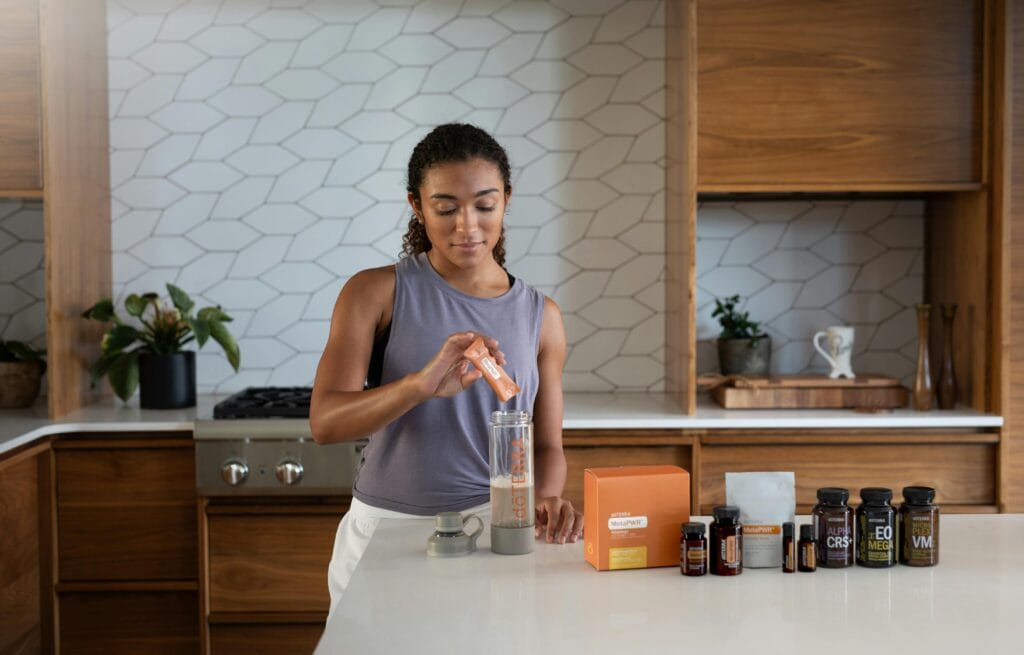
You probably started taking collagen for the same reason millions of others do: the promise of glowing skin, thicker hair, and joints that don’t creak like an old floorboard. It has become the “holy grail” of the wellness world, tucked into everything from morning lattes to protein bars. But as the collagen market explodes into a multi-billion dollar industry, a dark side is emerging that most manufacturers are desperate to keep under wraps. Instead of acting as a fountain of youth, low-quality collagen supplements might actually be accelerating the very aging process you are trying to stop.
The uncomfortable truth is that not all collagen is created equal. Because the supplement industry is loosely regulated, many popular brands are cutting corners that lead to heavy metal contamination, gut microbiome disruption, and “inflammaging”. If you aren’t checking for specific certifications and sourcing methods, your daily “youth powder” might be a biological Trojan horse. Before you take your next scoop, it is time to look past the pretty packaging and understand the five hidden risks that could be sabotaging your longevity.
Collagen Sourcing: What to Look For
| Feature | Conventional Collagen | Premium Longevity Collagen |
| Source | Grain-fed / Feedlot cattle | 100% Grass-fed & Finished |
| Testing | Internal only (Biased) | Third-party (NSF/Sport/Clean Label) |
| Processing | Harsh chemical solvents | Enzyme-based hydrolysis |
| Additives | Artificial flavors/Sweeteners | Unflavored / Pure peptides |
5 Hidden Risks of Low-Quality Collagen
1. The Heavy Metal Bioaccumulation Problem
Collagen is derived from the connective tissues, hides, and bones of animals—usually cows, pigs, or fish. These tissues act as a storage site for environmental toxins. When animals are raised in industrial settings or polluted waters, they accumulate heavy metals like lead, mercury, and cadmium throughout their lives. When these parts are boiled down into collagen peptides, those toxins are concentrated into a fine powder.
A recent study found that a staggering percentage of top-selling collagen powders contained detectable levels of heavy metals. Because these metals are cumulative, taking a small dose every day for years can lead to “body burden.” Instead of rejuvenating your skin, these toxins trigger oxidative stress, which breaks down the collagen you already have. If your brand doesn’t provide a third-party Certificate of Analysis (CoA), you are essentially gambling with your cellular health.
2. The Glyphosate and Pesticide Connection
If you are using bovine (cow) collagen that isn’t specifically labeled as “100% Grass-Fed and Finished,” you are likely consuming trace amounts of glyphosate. In the US, conventionally raised cattle are fed a diet of GMO corn and soy that is heavily sprayed with Roundup. Research suggests that glyphosate can actually integrate itself into the collagen structures of the animal’s body.
When you ingest this contaminated collagen, you are introducing a potent herbicide into your delicate gut lining. Glyphosate is known to disrupt the “tight junctions” in your intestines, leading to a condition often called “leaky gut.” Once your gut barrier is compromised, undigested food particles and toxins leak into your bloodstream, triggering an immune response. This chronic inflammation is the ultimate “aging accelerator,” causing skin breakouts, brain fog, and joint pain.
3. “Inflammaging” via Artificial Sweeteners
Many people find the taste of pure collagen a bit “earthy,” so brands mask it with artificial sweeteners like sucralose, aspartame, or “natural flavors” that are anything but natural. While these allow for a “zero sugar” label, they are a nightmare for your metabolic health. Artificial sweeteners have been shown to alter the gut microbiome in as little as 48 hours, favoring the growth of bacteria associated with inflammation.
This process leads to “inflammaging.” Chronic inflammation is like a slow-burning fire that degrades your skin’s elasticity and stiffens your arteries. If your collagen powder tastes like a birthday cake or a tropical fruit punch, the chemicals used to create that flavor are likely neutralizing any anti-aging benefits the collagen provides. For true longevity, you must stick to unflavored versions and mix them into your own antioxidant-rich smoothies.
4. The “Zombie Protein” Effect (Low Bioavailability)
Not all collagen can actually be absorbed by the human body. For collagen to be effective, it must undergo a process called Hydrolysis, which breaks the massive protein chains into tiny “peptides.” Many cheap brands use poor processing techniques that leave the molecules too large to pass through the intestinal wall.
When you consume non-hydrolyzed or poorly processed collagen, it simply passes through your system as waste, or worse, it sits in the colon and putrefies. This can cause bloating, gas, and a “heavy” feeling in the gut. You are essentially paying for “zombie protein”—it looks like collagen on the label, but it is biologically dead by the time it reaches your cells. Look for “Bioavailable Collagen Peptides” to ensure the amino acids actually reach your skin and joints.
5. Ethical and Environmental “Erosion”
The final risk isn’t just to your body, but to the environment that sustains us. Massive demand for collagen has been linked to deforestation in the Amazon rainforest, as more land is cleared for cattle ranching. When we destroy these ecosystems, we lose the biodiversity that provides us with other life-saving medicines and clean air.
Furthermore, the “marine collagen” industry often uses fish scales and skin from factory-farmed fish. These fish are frequently treated with high doses of antibiotics to prevent disease in crowded pens. Consuming these antibiotic residues can contribute to antibiotic resistance in humans, a major threat to global health. True longevity requires a holistic approach; you cannot be “healthy” if the ecosystem your food comes from is diseased.
How to Buy “Safe” Collagen: The 3-Step Audit
If you aren’t ready to give up your collagen habit, you need to become a savvy consumer. Most people buy based on the “Before and After” photos on Instagram, but those won’t tell you what’s happening to your liver or your gut.
- Demand Third-Party Testing: Look for the NSF Certified for Sport or Informed-Choice seal. These organizations test for contaminants, heavy metals, and banned substances. If a company won’t show you their testing results, walk away.
- Check the Ingredient Count: The best collagen has exactly one ingredient: “Hydrolyzed Bovine Collagen Peptides” (or Marine). If there is a paragraph of text under the ingredients list, put it back on the shelf.
- Prioritize Sourcing: For bovine, look for “Pasture-Raised” and “Grass-Fed.” For marine, look for “Wild-Caught” and “MSC Certified.” This ensures the animal lived a healthy life, which means its connective tissue is less likely to be a “toxin sponge.”
Related Articles
- Still Tired After Taking Vitamin D? 15 Dietitian-Approved Foods That Finally Make It Work
- Take This Daily? New Evidence Shows Multivitamins May Cut High Blood Pressure Risk as You Age
- Stop Wasting Money: The Only 5 Longevity Supplements a Harvard MD Actually Recommends
- Can Creatine and Protein Help Seniors Who Don’t Work Out? The Answer Might Surprise You
- Warning for Women Over 50: The 1 Common Supplement That Accelerates Bone Loss, Says Geriatrician