FREE SHIPPING OVER $50

I Turn 48 Next Month and My Doctor Says My Body Tests Like a 30-Year-Old — These 3 Habits Are Why


At my last physical, my doctor looked up from my results and said something that stopped me cold: “Your biological markers don’t match your age — not even close.” I am 47, turning 48 next month, and according to my bloodwork, epigenetic clock, and metabolic panel, my body is functioning like someone nearly two decades younger. It did not happen by accident. It happened because of 3 specific habits I built slowly, consistently, and without any expensive biohacking gimmicks.
What “Biological Age” Actually Means — And Why It Matters More Than Your Birthday
Before diving into the habits, it helps to understand what we are actually measuring here. Chronological age is simply how long you have been alive. Biological age, on the other hand, reflects how well your cells, organs, and systems are actually functioning.
Researchers at institutions like the Salk Institute and Harvard Medical School have confirmed that biological age is not fixed. It is dynamic, meaning your daily habits either accelerate it or slow it down. Tools like epigenetic clocks — which measure chemical modifications on your DNA — can now estimate biological age with remarkable accuracy.
The encouraging part is that the gap between chronological and biological age is largely within your control.
3 Habits That Make Me Feel Younger
Habit 1: Zone 2 Cardio — The Slow, Unsexy Longevity Weapon Most People Skip
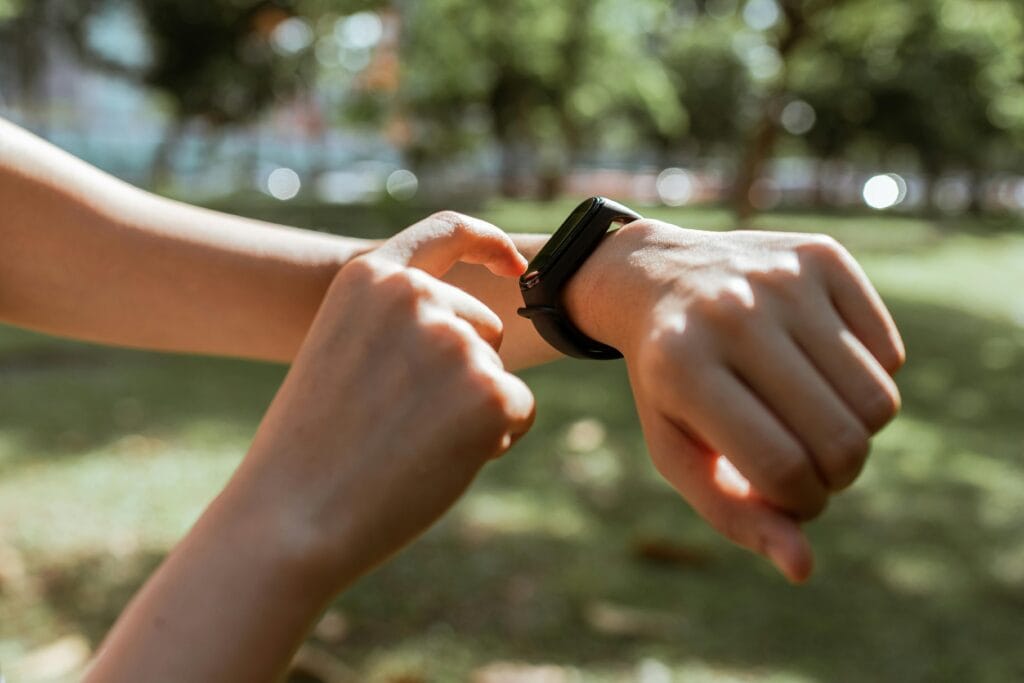
The first habit sounds almost too simple to be true: low-intensity, steady-state cardio performed at a conversational pace for 45 to 60 minutes, three to four times per week. In exercise science, this is called Zone 2 training, and it sits at roughly 60 to 70 percent of your maximum heart rate.
Most people skip Zone 2 because it feels too easy. That is precisely the point.
Zone 2 training is the primary driver of mitochondrial health — and mitochondria are the cellular power plants that determine how much energy your body produces, how efficiently you recover, and how well your organs function as you age. Dr. Peter Attia, a longevity physician and researcher, has called Zone 2 “the single most important type of exercise for longevity” because of its outsized effect on metabolic health and cardiovascular efficiency.
A landmark study published in the Journal of Applied Physiology found that consistent aerobic training at low intensity significantly increases mitochondrial density in skeletal muscle, even in older adults. More mitochondria means more energy production, better fat metabolism, and slower cellular aging.
| Zone 2 Metric | Target Range |
|---|---|
| Heart rate | 60 to 70% of max heart rate |
| Talk test | You can hold a full conversation |
| Session length | 45 to 60 minutes |
| Weekly frequency | 3 to 4 sessions |
| Best activities | Walking briskly, cycling, swimming, light jogging |
The practical application is straightforward. Three to four mornings per week, I walk briskly or cycle at a pace where I could hold a conversation without gasping. That is it. No intervals, no sprints, no suffering.
Habit 2: Protein-Forward Eating That Protects Muscle Mass After 40
The second habit is nutritional, and it directly addresses one of the most underappreciated threats to longevity: sarcopenia, the age-related loss of muscle mass that begins as early as your mid-30s and accelerates after 40.
Most people eat enough calories. Very few eat enough protein — especially as they get older.
After 40, the body becomes less efficient at converting dietary protein into muscle tissue, a phenomenon researchers call anabolic resistance. To counteract this, longevity-focused nutrition researchers recommend increasing protein intake to between 1.6 and 2.2 grams per kilogram of body weight per day, spread across meals to maximize muscle protein synthesis.
A 2018 meta-analysis published in the British Journal of Sports Medicine confirmed that higher protein intake significantly improves lean muscle mass and strength in adults over 40, independent of exercise.
Beyond muscle preservation, adequate protein supports:
- Hormone production, including testosterone and growth hormone
- Immune function and antibody synthesis
- Satiety, which reduces the overeating that accelerates metabolic aging
- Skin integrity and collagen maintenance
I restructured my meals around protein as the anchor — not carbohydrates. Every meal starts with a protein source, and everything else fills in around it.
| Meal | Protein Source | Approximate Protein |
|---|---|---|
| Breakfast | 3 eggs plus Greek yogurt | 35g |
| Lunch | Grilled chicken breast with legumes | 45g |
| Dinner | Salmon fillet with edamame | 40g |
| Snack | Cottage cheese or protein shake | 25g |
| Daily Total | — | 140 to 150g |
This is not a restrictive diet. It is a simple reframe: protein first, everything else second.
Habit 3: Sleep Optimization — The Recovery Lever That Most People Treat as Optional
The third habit is the one that ties everything together, and it is the one most people sacrifice first when life gets busy: consistent, high-quality sleep of seven to nine hours per night.
Sleep is not passive recovery. It is the most anabolic, anti-inflammatory, neurologically restorative process your body runs — and it does all of it automatically, provided you give it the time and conditions to work.
During deep sleep, the brain activates the glymphatic system, a waste-clearance network that flushes out toxic proteins including beta-amyloid, the same protein associated with Alzheimer’s disease. The body simultaneously releases human growth hormone, repairs damaged tissue, and resets cortisol levels that, when chronically elevated, accelerate biological aging.
A study found that poor sleep quality at midlife was associated with a significantly higher risk of multimorbidity — the presence of two or more chronic conditions — by age 60.
The habits that moved the needle most for my sleep quality:
- Keeping a consistent wake time seven days a week, including weekends
- Dropping the bedroom temperature to between 65 and 68 degrees Fahrenheit
- Eliminating screens for 30 minutes before bed
- Avoiding alcohol within three hours of sleep, since alcohol fragments deep sleep architecture even in moderate amounts
- Getting morning sunlight within 30 minutes of waking to anchor the circadian rhythm
| Sleep Factor | Optimal Target |
|---|---|
| Total sleep duration | 7 to 9 hours |
| Bedroom temperature | 65 to 68°F |
| Consistent wake time | Same time daily, including weekends |
| Screen exposure before bed | None in final 30 minutes |
| Alcohol cutoff | At least 3 hours before sleep |
None of these changes cost anything. They simply require treating sleep as a non-negotiable health input rather than a flexible variable.
How These 3 Habits Work Together as a Longevity System
What makes these habits so effective is not that any one of them is revolutionary in isolation. It is that they reinforce each other in a compounding loop.
Zone 2 cardio improves mitochondrial efficiency and insulin sensitivity, which makes your body more responsive to the protein you eat. Better protein intake preserves the muscle that makes exercise more effective and metabolism more resilient. Optimized sleep accelerates recovery from exercise, regulates hunger hormones that support better nutritional choices, and reduces the systemic inflammation that undermines both.
Together, these three habits address the three primary biological drivers of accelerated aging: mitochondrial dysfunction, muscle loss, and chronic inflammation.
| Habit | Primary Aging Mechanism Targeted | Key Benefit |
|---|---|---|
| Zone 2 Cardio | Mitochondrial dysfunction | More cellular energy, better metabolic health |
| Protein-Forward Eating | Sarcopenia and anabolic resistance | Preserved muscle mass and hormone function |
| Sleep Optimization | Chronic inflammation and cortisol dysregulation | Faster recovery, cellular repair, brain health |
Related Articles
- Is Your Memory Fading? 5 Neuroscience-Backed Habits That Sharpen Memory and Focus
- Over 60 and Walking Alone? Do These 5 Moves Today to Protect Your Life and Mobility
- Lying Down for a Blood Pressure Check Reveals Hidden Heart Risk — What Doctors Miss
- Stop Saying “I’m Too Old” — 6 Toxic Thoughts That Speed Up Aging
- The “Can Your Toes Do This? It Might Predict How Long You’ll Live”