FREE SHIPPING OVER $50
Feel 10 Years Younger: 7 Hidden Habits Sabotaging Your Energy (Fix Them In 2026)

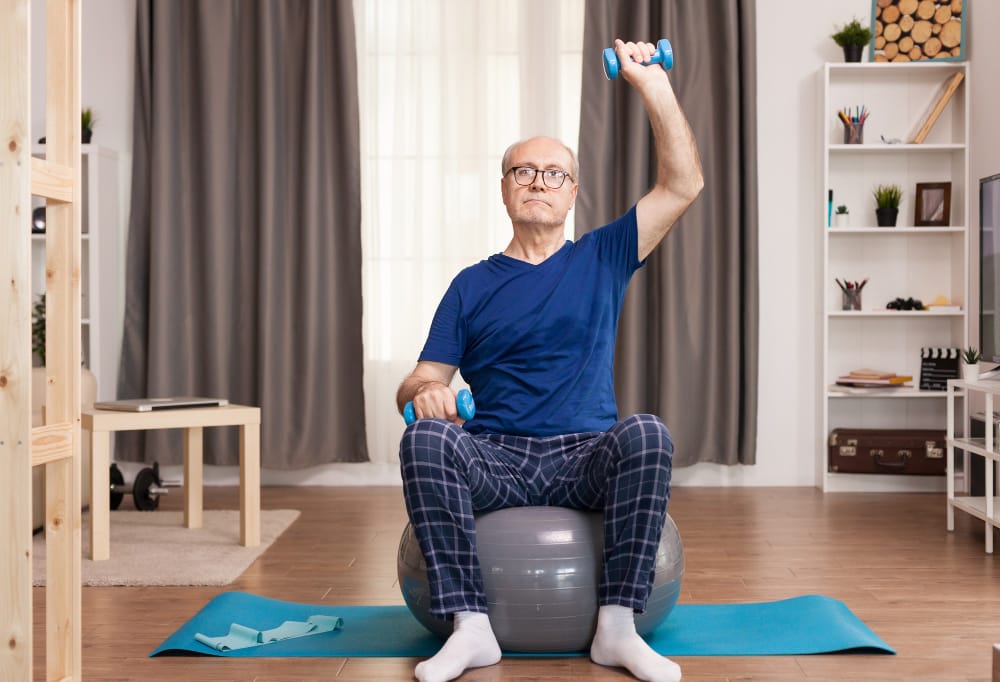
We often blame our birth certificate for the slow decline in our daily energy levels. We assume that waking up with stiff joints, struggling through afternoon brain fog, or feeling “wired but tired” at night is simply the tax we pay for growing older. However, longevity science in 2026 is proving that aging is less of a fixed timeline and more of a flexible biological process influenced by our daily environment. Many of the symptoms we associate with “getting old” are actually signs of mitochondrial dysfunction and chronic inflammation caused by habits we don’t even realize we have.
The Science of Biological Age
Your biological age is determined by “biomarkers” like systemic inflammation, telomere length, and glycemic control. When these markers are off, you feel “old” regardless of your actual age.
The good news is that biological age is reversible. Through a process called epigenetics, your lifestyle habits act as “switches” that turn on longevity genes or disease genes. If you are constantly triggering the wrong switches, your energy levels will plummet. By fixing these hidden habits, you are essentially “biohacking” your way back to a more youthful state of existence.
Energy Markers: Youthful vs. Aging Physiology
| Marker | Youthful Physiology | Aging Physiology |
| Mitochondrial Function | Efficient ATP production. | Leaky, low-energy output. |
| Inflammation | Acute and purposeful. | Chronic “Inflammaging.” |
| Blood Sugar | Stable and sensitive. | Insulin resistant/spiking. |
| Sleep Architecture | High Deep/REM sleep. | Fragmented and shallow. |
| Circadian Rhythm | Strong and synchronized. | Desynchronized/flat. |
7 Hidden Habits Sabotaging Your Energy
These habits are often masked as normal parts of modern life, but they are the primary drivers of premature biological aging.
1. The “Blue Light” Midnight Sun
Most people know that screens are bad before bed, but they don’t realize that even five minutes of high-intensity blue light can suppress melatonin production for up to four hours. This creates “social jetlag,” where your brain thinks it is noon while your body is trying to sleep. This desynchronization prevents your brain from performing the “glymphatic drainage” it needs to clear out toxins, leaving you with that classic “10 years older” brain fog the next morning.
2. Chronic “Sitting” Inflammation
Sitting is often called the new smoking, but not just for your heart. When you sit for hours, your large muscle groups remain inactive, which signals to your body that it doesn’t need to maintain high mitochondrial density. This leads to “mitochondrial decay.” Furthermore, the lack of movement causes lymph fluid to stagnate, which increases systemic inflammation—the very thing that makes your joints feel stiff and “aged.”
3. The “Healthy” Sugar Spike
Many “healthy” snacks like granola bars, fruit smoothies, and flavored yogurts are loaded with hidden sugars. These cause massive insulin spikes that block your body’s ability to burn fat for fuel. If you are a “sugar burner” rather than a “fat burner,” you will experience constant energy crashes. This metabolic inflexibility is a hallmark of accelerated aging.
4. Over-Sanitizing Your Gut
We live in an ultra-clean world, but our gut microbiome thrives on diversity. Overusing antibacterial soaps and eating a “beige” diet without fermented foods or varied fibers kills off the beneficial bacteria that produce short-chain fatty acids (SCFAs). These SCFAs are critical for energy and mood. A “silent” gut is often a tired gut.
5. Shallow “Thoracic” Breathing
As we age and get more stressed, our breathing moves from the diaphragm to the upper chest. This shallow breathing keeps the body in a state of sympathetic “fight or flight.” It tells your heart and brain that you are under constant threat, which drains your adrenal reserves and makes you feel chronically exhausted by mid-afternoon.
6. The “Hydration” Illusion
You might be drinking plenty of water, but if you lack electrolytes (like magnesium, potassium, and sodium), that water just flushes through you without ever entering your cells. Cellular dehydration makes you feel sluggish and causes your skin to look sallow and aged. You aren’t just thirsty; you are minerals-depleted.
7. Digital Overstimulation
The constant pings and notifications on your phone trigger small hits of dopamine followed by a cortisol “crash.” This loop exhausts your prefrontal cortex. When your brain is overstimulated, it uses an enormous amount of glucose, leaving you physically tired even if you haven’t moved a muscle all day.
How to Fix These Habits and Feel 10 Years Younger
Fixing these habits doesn’t require a total life overhaul. It requires “habit stacking” and small, strategic shifts that yield massive biological dividends.
- Implement the “10-3-1” Sleep Rule: No caffeine 10 hours before bed, no food 3 hours before bed, and no screens 1 hour before bed. This simple protocol allows your melatonin and growth hormones to peak naturally.
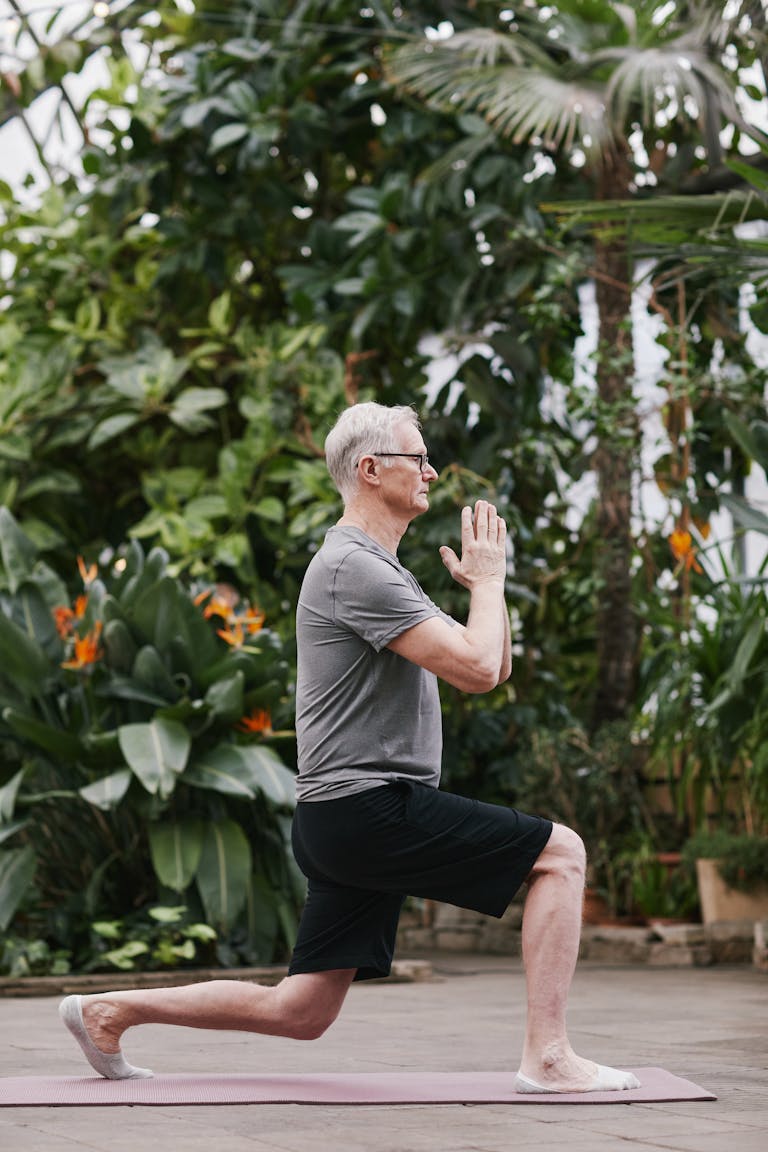
- The “Micro-Movement” Strategy: Every 30 minutes, stand up and perform 60 seconds of movement—air squats, calf raises, or just stretching. This keeps your “longevity genes” active and prevents the inflammatory buildup of sedentary behavior.
- Prioritize “Savory” Breakfasts: Swap your cereal or bagel for eggs, avocado, or smoked salmon. By starting the day with protein and fat instead of glucose, you stabilize your blood sugar and avoid the 2:00 PM energy crash.
- The “Box Breathing” Reset: Spend three minutes a day breathing in for four seconds, holding for four, exhaling for four, and holding for four. This manually flips your nervous system from “stressed” to “rested,” preserving your energy for things that matter.
The Role of “Hormetic Stress” in Longevity
To truly feel 10 years younger, you must introduce “good stress” into your life. In the longevity community, this is known as hormesis. These are short bursts of challenge that force your cells to become stronger and more resilient.
- Cold Exposure: A 30-second cold blast at the end of your shower stimulates “brown fat” and boosts your metabolism.
- Heat Exposure: Using a sauna or taking a hot bath increases “heat shock proteins,” which help repair damaged cellular structures.
- High-Intensity Intervals: Short bursts of 100% effort (like sprinting for 20 seconds) tell your mitochondria to multiply. This is the ultimate “anti-aging” signal for your muscles.
Conclusion
By fixing your circadian rhythm, stabilizing your blood sugar, and reducing systemic inflammation, you allow your biological age to align with your true potential. The fatigue you feel today is likely a result of mitochondrial decay and digital overstimulation, both of which are entirely fixable. This year, prioritize cellular repair through time-restricted eating, diaphragmatic breathing, and hormetic stress. When you remove the “glitches” in your lifestyle, your body’s natural vitality returns, leaving you with the energy, clarity, and resilience you thought were a thing of the past.
Related Articles
- “I Don’t Eat Kale”: The 5 Shocking Habits I Found After Studying 10,000 Centenarians
- Researchers Reveal: The Overlooked Supplement That Could Shield Your Brain From Dementia
- The Introvert Secret: Psychologists Say This ONE Surprising Personality Trait is The Strongest Predictor of Longevity
- This Optical Illusion Claims to Reveal Your Brain’s Real Age—Most People Can’t Pass It
- Stop Killing Your Immunity: The 4 Daily Habits Doctors Beg You to Quit Before Flu Season