FREE SHIPPING OVER $50

Doctors Call It ‘Medically Impossible’: The 10-Minute Routine of a 75-Year-Old That Outsmarts 30-Year-Olds

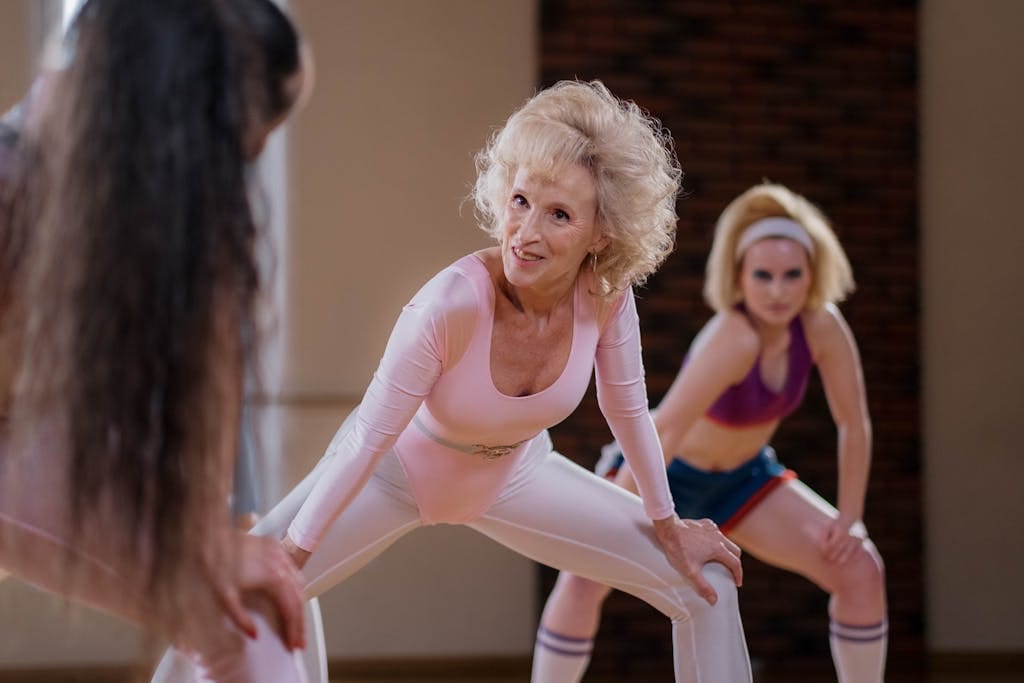
The conventional wisdom about aging is that it inevitably leads to declines in strength, mobility, and cognitive function. We accept that by the time we hit 75, we should expect stiffness, joint pain, and a lack of the sharp energy we had in our thirties. But what if that narrative was completely wrong? A small but growing number of individuals are defying every expectation, and their simple, consistent longevity routines are leaving medical professionals completely baffled.
One such story revolves around a 75-year-old whose 10-minute morning routine has resulted in a level of functional fitness and metabolic health that reliably outsmarts 30-year-olds in strength and balance tests. Doctors call it ‘medically impossible’ because her biological age, measured by flexibility and reaction time, is decades younger than her chronological age. The secret isn’t hidden supplements or brutal workouts; it’s a targeted, efficient daily ritual that focuses on three key pillars of longevity: balance, stability, and muscle activation.
The Science of Outsmarting Your Age
The 75-year-old’s ability to outperform younger adults isn’t luck; it’s the result of actively maintaining neuromuscular efficiency—the communication between the brain and muscles—which typically declines rapidly after 50.
The Two Keys to Functional Longevity
The routine directly addresses the two most reliable predictors of long-term health and independence:
- Muscle Power: Muscle mass and the ability to generate quick strength (power) are crucial. The routine uses movement to fight sarcopenia (age-related muscle loss) by recruiting dormant, fast-twitch muscle fibers.
- Balance and Stability: The ability to stabilize the body and maintain balance directly prevents falls, which are a major cause of disability and reduced longevity. The routine emphasizes single-leg stability and core control.
Why 30-Year-Olds Fail
Paradoxically, many 30-year-olds fail the grandmother’s tests because their fitness is often purely aesthetic (biceps, abs). Their movement is often compromised by sitting, leading to tight hips, weak glutes, and poor single-leg stability.
The 10-Minute Morning Routine: Three Pillars of Longevity
The routine is structured to move progressively from gentle mobilization to focused activation. It should be performed daily, immediately upon waking.
Pillar 1: Spinal Mobilization (3 Minutes)
This section lubricates the spine and hips, improving flexibility and reducing morning stiffness.
- Move 1: Cat-Cow Flow (1 minute): Start on your hands and knees. Gently arch your back (Cow) and then round it (Cat). This smooth, rhythmic movement warms the discs of the spine and enhances blood flow.
- Move 2: Thread the Needle (2 minutes, 1 minute per side): From the same position, reach one arm under the other, lowering your shoulder and head to the floor. This opens the shoulders and upper back, correcting the hunched posture many 30-year-olds carry from their desks.
Pillar 2: Glute and Core Activation (4 Minutes)
This is the most critical section for preventing back pain and knee pain. It “wakes up” the glutes and secures the core.
- Move 3: Glute Bridges (2 minutes): Lie on your back with knees bent. Squeeze your glutes and lift your hips off the floor. The key is the squeeze—make sure the movement comes from the butt, not the lower back. This reverses gluteal amnesia, which is rampant in desk workers.
- Move 4: Bird Dog (2 minutes, alternate sides): Return to hands and knees. Slowly extend one arm straight forward and the opposite leg straight back, holding the position for a moment. This challenges core stability without crunching and forces the brain to communicate with the opposing limbs—a crucial cognitive fitness test.
Pillar 3: Balance and Single-Leg Strength (3 Minutes)
This final section is where the 75-year-old outsmarts her juniors, as it directly addresses functional strength and falls prevention.
- Move 5: Single-Leg Stance (2 minutes, 1 minute per side): Stand on one leg and hold for 60 seconds, or as long as possible. To increase the difficulty, close your eyes. This forces the small, crucial stabilizer muscles in the ankle and hip to fire instantly and trains the brain to rely on proprioception rather than vision.
- Move 6: Calf Raises (1 minute): Stand on both feet and slowly lift onto the balls of your feet. This strengthens the calves and ankles, which are essential for the push-off phase of walking and maintaining quick reflexes when you stumble.
The Medically Impossible Results: Why It Works
The secret to this simple routine lies in the principle of neural efficiency and high motor unit recruitment.
Enhancing Neural Efficiency
The entire routine is designed to sharpen the mind-muscle connection, which is often impaired by sedentary life.
- The Benefit: By moving slowly and deliberately, especially with the Bird Dog and Single-Leg Stance, she is forcing her brain to maintain focus and control. This daily practice of high-quality movement prevents the breakdown of neuromuscular pathways, maintaining a youthful reaction time and coordination.
Fighting Sarcopenia with Activation
The focus on the Glute Bridges and Calf Raises directly addresses sarcopenia.
- The Mechanism: Even though no weights are used, the conscious, maximal contraction of the glutes recruits a higher percentage of available muscle fibers. This repeated activation helps maintain the muscle mass and power necessary for standing up from a chair, lifting grocery bags, and preventing fragility—tasks where many deconditioned 30-year-olds struggle.
Cortisol Regulation and Longevity
Starting the day with slow, controlled movement is a profound longevity hack that doctors highly recommend.
- The Result: The routine serves as a natural transition from sleep to wakefulness, lowering the production of the stress hormone cortisol that typically spikes in the morning. Lower chronic cortisol levels mean less muscle breakdown and a better metabolic health profile throughout the day.
Conclusion
The story of the 75-year-old whose 10-minute morning routine outsmarts 30-year-olds is not a fairy tale; it’s a powerful lesson in longevity. Doctors are stunned because this low-impact, time-efficient ritual directly targets the two most common causes of age-related decline: poor neuromuscular control and lack of functional strength. By consistently integrating Spinal Mobilization, Glute and Core Activation, and Balance Training into your daily life, you can actively improve your mobility, enhance your cognitive efficiency, and maintain a level of strength and independence that defies your chronological age.
Related Articles
- I Was Diagnosed With Dementia at 60—The Truth I Need My Family (and You) to Hear
- The Workout Method Helping Seniors Stay Strong, Independent, and Energized—No Matter Their Age
- The 5-Minute Morning Routine That Reversed My Hunchback and Boosted My Confidence
- I Did These 6 Wall Exercises Every Morning—My Rounded Shoulders Are Gone
- The Muscle Activation Tricks Natural Bodybuilders Don’t Want You to Miss