FREE SHIPPING OVER $50

DNA Isn’t Destiny: The 90/10 Rule for Living to 100

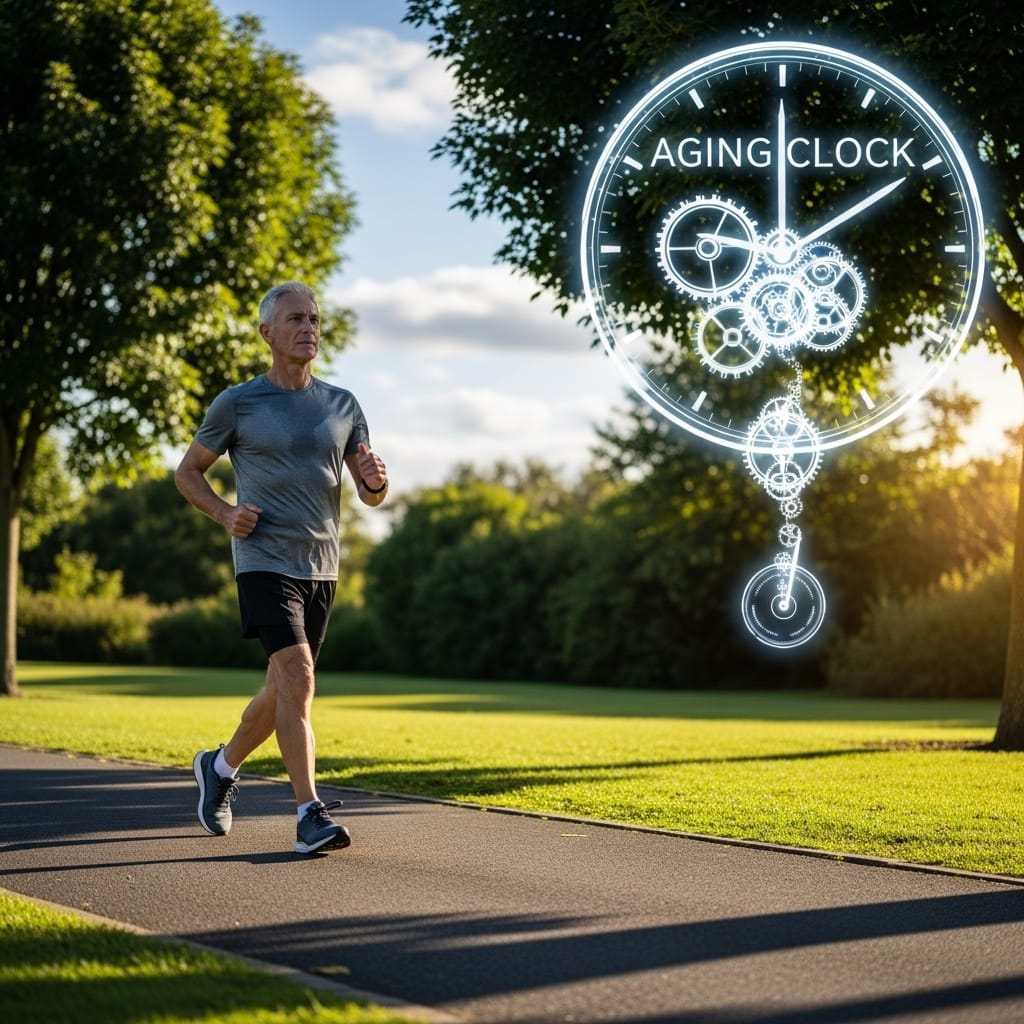
For decades, we have been told that our health is essentially a genetic lottery. If your grandparents lived to their nineties, you were considered “lucky.” If your family tree was riddled with heart disease or diabetes, you were told to prepare for the inevitable. We viewed our DNA as a fixed blueprint—a rigid set of instructions that determined exactly how and when our bodies would eventually fail.
However, recent breakthroughs have led to what experts now call the 90/10 Rule. While the exact percentages can fluctuate slightly depending on the specific study, the consensus is clear: only about 10% of how long you live is dictated by the genes you inherited. The remaining 90% is determined by your environment, your lifestyle, and the daily choices you make. In short, you are the architect of your own longevity, not a victim of your ancestry.
The Science Behind the 90/10 Rule
To understand why the 90/10 Rule is so revolutionary, we have to look at how scientists previously calculated “heritability.” For years, the scientific community estimated that genetics accounted for roughly 20% to 30% of our lifespan. This was based largely on twin studies. But when researchers analyzed the family trees of over 400 million people, accounting for “assortative mating” (the tendency for people to choose partners with similar lifestyles), the genetic influence plummeted.
Consequently, it turns out that “good genes” are often just “good habits” passed down through generations. If your parents lived to 100, it might be because they shared a love for walking and fresh vegetables, not just because they had “super-DNA.” This shift in perspective is incredibly empowering. It means that even if you didn’t win the genetic lottery, you can still “outrun” your family history by mastering the 90% that you actually control.
Epigenetics: The Switchboard of Life
How can we have so much control over our DNA? The answer lies in epigenetics. Think of your DNA as the “hardware” of a computer and epigenetics as the “software.” You cannot change the hardware, but you can change how the software runs.
Epigenetic markers sit on top of your DNA and act as “on/off” switches for your genes. When you exercise, eat nutrient-dense foods, or get high-quality sleep, you are essentially “turning on” the genes that promote longevity and “turning off” the ones that drive inflammation and disease.
| Factor | Influence on Lifespan | Impact on Gene Expression |
| Genetics (DNA) | 7% – 10% | The static blueprint you are born with. |
| Diet & Nutrition | 30% – 40% | Controls inflammation and glucose levels. |
| Physical Activity | 20% – 25% | Triggers cellular repair and BDNF. |
| Sleep & Stress | 15% – 20% | Regulates cortisol and hormonal balance. |
| Social Connection | 10% – 15% | Lowers systemic stress and boosts immunity. |
Mastering the 90%: The Longevity Pillars
If your DNA isn’t the primary driver of your lifespan, what is? To truly hit that 100-year mark, you need to focus on the biological “levers” that have the greatest impact on your epigenetic switches.
1. Metabolic Flexibility
The modern Western lifestyle is a disaster for metabolic health. Most people are “sugar burners,” meaning their bodies are constantly cycling through glucose spikes and crashes. This leads to insulin resistance, which is a major driver of almost every age-related disease.
To master the 90%, you must prioritize metabolic flexibility. This means training your body to burn fat for fuel through strategies like intermittent fasting or low-carb periods. When your insulin levels remain low and stable, your body stays in “repair mode” rather than “growth mode.”
2. Hormetic Stress (The “Good” Stress)
Our ancestors lived in a world of constant physical challenge. Today, we live in climate-controlled boxes. This lack of stress has made our cells “lazy.” Hormesis is the biological phenomenon where a small amount of stress triggers a massive repair response.
Activities like cold plunges, sauna sessions, and high-intensity interval training (HIIT) act as hormetic stressors. They “shock” your cells into producing more mitochondria—the power plants of your cells. The more healthy mitochondria you have, the longer you will likely live.
3. Deep Sleep and Glymphatic Cleansing
Sleep is not just rest; it is an active cleaning process. During deep sleep, your brain’s glymphatic system literally flushes out metabolic waste, including the amyloid-beta plaques associated with Alzheimer’s. If you aren’t getting 7 to 8 hours of quality sleep, you are essentially allowing “trash” to build up in your system, accelerating the aging process regardless of your genetic makeup.
The “Death by a Thousand Cuts” Concept
Aging isn’t usually the result of one catastrophic event. Instead, it is the result of “inflammaging”—a chronic, low-level inflammation that slowly degrades your organs and arteries over decades. This is why the 90/10 Rule is so critical. Every “everyday” decision—that extra soda, that missed workout, that stressful night—is a tiny “cut” to your longevity.
Conversely, every healthy choice is a “repair” signal. Transitioning from a sedentary lifestyle to a moderately active one can add up to seven years to your life. Choosing a Mediterranean-style diet over processed convenience foods can add another decade. When you stack these choices over 40 or 50 years, you aren’t just living longer; you are living “better” for longer. This is the difference between “lifespan” (how many years you are alive) and “healthspan” (how many years you are healthy and functional).
The Power of Social Integration
Interestingly, the 90/10 Rule isn’t just about what you eat and how you move. One of the most overlooked components of longevity is social connection. Research from the “Blue Zones” (areas where people live the longest) shows that strong community ties are more predictive of a long life than almost any other factor, including smoking habits or obesity.
Loneliness triggers a biological stress response that is equivalent to smoking 15 cigarettes a day. It keeps your cortisol levels high and your immune system suppressed. If you want to reach 100, your relationships are just as important as your supplements.
Why Your “Ancestry” Isn’t an Excuse
Many people use their family history as an excuse to ignore healthy habits. “My dad had a heart attack at 50, so why bother?” This is a dangerous fallacy. Your family history is a “warning,” not a “sentence.” If you know you have a genetic predisposition for heart disease, you have the power to be 10x more aggressive with your lifestyle interventions.
Instead of feeling defeated by your genes, use them as a roadmap. If your genetics suggest a higher risk for certain conditions, you can tailor your “90%” to counteract those specific vulnerabilities. This is the future of personalized medicine: using your DNA to decide which lifestyle switches you need to flip most urgently.
Related Articles
- The “Brain Expiration Date”: Why You Reach Your Mental Peak Much Earlier Than You Think
- The “2 AM Warning” for Seniors: If You Feel This in Your Jaw or Shoulder, Don’t Go Back to Sleep
- Neurologist’s Discovery: The $0 ‘Cellular Reset’ That Makes 60-Year-Olds Age Slower Than Everyone Else
- Figs: The Anti-Aging Superfood With 15 Benefits Doctors Say You’re Missing
- The 7-Minute Morning Routine That Makes 55 Look Like 35 (Dermatologists Tried to Keep It Quiet)