FREE SHIPPING OVER $50

Build Strength and Calm Inflammation With These 10 High‑Protein Power Foods


For the longest time, the fitness and nutrition worlds were split into two camps. On one side, you had the “bulk and build” crowd focusing solely on hitting high protein numbers to grow muscle. On the other side, you had the “wellness and healing” crowd focusing on anti-inflammatory berries and greens to calm the body. Now, we finally realize that these two goals shouldn’t be separate. In fact, they are two sides of the same coin.
Chronic inflammation is often called the “silent fire.” It is a low-grade immune response that, when left unchecked, can lead to joint pain, brain fog, and stalled weight loss. Most importantly for fitness enthusiasts, inflammation can actually prevent your muscles from recovering and growing. If your body is constantly fighting internal “fires,” it doesn’t have the resources to build new tissue.
The Science of “Anti-Inflammatory Proteostasis”
To understand why these foods work, we have to look at how the body processes stress. When you lift weights or deal with daily stress, your body produces inflammatory markers like C-reactive protein (CRP). While acute inflammation is necessary for healing, chronic inflammation keeps these markers high indefinitely.
Standard protein sources, like highly processed deli meats or factory-farmed red meats, can actually worsen this problem because they are often high in saturated fats and nitrates. However, specific proteins contain unique compounds—like Omega-3 fatty acids, polyphenols, and specific minerals—that signal the immune system to stand down. By choosing these foods, you are essentially “cleaning the slate” for your muscles to repair themselves more efficiently.
10 High-Protein Power Foods
1. Wild-Caught Salmon
When it comes to the ultimate “double-duty” food, salmon sits firmly at the top of the list. It is an incredible source of high-quality protein, providing roughly 20 grams per 3-ounce serving. But the real magic lies in its high concentration of EPA and DHA, the long-chain Omega-3 fatty acids.
These fats are among the most potent natural anti-inflammatory agents on the planet. They work by inhibiting the production of substances that cause inflammation in your joints and arteries. If you are dealing with “creaky” knees after a workout, increasing your salmon intake is often more effective—and certainly better for your gut—than reaching for an over-the-counter painkiller.
2. Tempeh (The Fermented Powerhouse)
Many people overlook tempeh in favor of tofu, but tempeh is actually the superior choice for fighting inflammation. Because tempeh is fermented, it contains probiotics that support a healthy gut microbiome. Since about 70% of your immune system lives in your gut, a healthy microbiome is your first line of defense against systemic inflammation.
Tempeh is also incredibly protein-dense, offering about 31 grams of protein per cup. It is rich in isoflavones, which are plant compounds that have been shown to reduce oxidative stress and lower inflammatory markers in the blood.
3. Pumpkin Seeds (Pepitas)
Don’t let their size fool you; pumpkin seeds are a nutritional heavyweight. They are one of the best plant-based sources of magnesium, a mineral that over 50% of Americans are deficient in. Magnesium is a natural “calmer” for the body; it helps regulate blood pressure and is essential for keeping CRP levels low.
With about 9 grams of protein per ounce, they make an excellent snack or salad topper. They also contain high levels of zinc and Vitamin E, both of which protect your cells from the “rusting” effect of oxidative damage.
4. Lentils
Lentils are a staple for longevity for a reason. They provide a massive dose of fiber (15 grams per cup) alongside 18 grams of protein. This fiber is crucial because it helps stabilize blood sugar. Spikes in blood sugar are one of the most common—and avoidable—triggers for internal inflammation.
Lentils are also rich in polyphenols, including procyanidin and flavanols. These are the same types of healing compounds found in berries and dark chocolate. They work by neutralizing free radicals before they can damage your DNA and cause an inflammatory response.
5. Grass-Fed Beef (In Moderation)
There is a massive difference between a standard burger and a grass-fed steak. While grain-fed beef is often high in pro-inflammatory Omega-6 fats, grass-fed beef has a much better ratio of Omega-3s. It also contains significantly more Conjugated Linoleic Acid (CLA), a type of fat that has been linked to reduced inflammation and improved heart health.
Grass-fed beef is a “complete” protein, meaning it provides all the essential amino acids your body cannot make on its own. It is also an excellent source of heme iron and B12, which are vital for maintaining the energy levels you need to stay active and keep your immune system strong.
6. Hemp Seeds (Hemp Hearts)
Hemp seeds are unique in the plant world because they contain a 3:1 ratio of Omega-6 to Omega-3 fatty acids, which is considered ideal for human health. They also contain Gamma-Linolenic Acid (GLA), an Omega-6 derivative that actually has anti-inflammatory properties—a rarity in that fat family.
Adding three tablespoons of hemp hearts to your morning smoothie or oatmeal provides 10 grams of easy-to-digest protein. They are particularly good for people with sensitive stomachs, as they don’t contain the oligosaccharides found in some beans that can cause bloating.
7. Sardines
If you can get past the “tin factor,” sardines are a longevity cheat code. Because they are low on the food chain, they contain significantly fewer heavy metals like mercury compared to larger fish like tuna. They are essentially concentrated “brain and joint food.”
A single can of sardines provides about 23 grams of protein and over 100% of your daily requirement for Vitamin D. Low Vitamin D levels are directly linked to increased chronic inflammation and a weakened immune system. Think of sardines as an edible insurance policy for your joints.
8. Edamame
Young soybeans, or edamame, are a fantastic snack for anyone trying to build lean muscle while keeping inflammation low. One cup of cooked edamame provides 18 grams of protein and a healthy dose of folate.
Folate is necessary for the production of red blood cells and for the repair of DNA. Furthermore, edamame contains kaempferol, a flavonoid that has been studied for its ability to reduce inflammation and protect against chronic diseases.
9. Chia Seeds
While we often think of them as a “fiber food,” chia seeds are a complete protein source. When you soak them, they form a mucilaginous gel that is incredibly soothing to the digestive tract. A calm gut is a calm body.
They are the richest plant source of Alpha-Linolenic Acid (ALA), an Omega-3 fatty acid. While the body must convert ALA into EPA and DHA, it still plays a major role in lowering systemic inflammation, particularly in the cardiovascular system.
10. Bone Broth (Collagen Protein)
While technically a liquid, high-quality bone broth can contain up to 10 grams of protein per cup. The protein here is primarily collagen, which is rich in glycine. Glycine is an amino acid that has powerful anti-inflammatory and immunomodulatory effects.
Bone broth helps “seal” the gut lining, preventing undigested food particles from entering the bloodstream and triggering an immune response. It is the ultimate recovery drink for anyone dealing with joint pain or digestive distress.
High-Protein vs. Anti-Inflammatory Profile
| Food Item | Protein (approx.) | Primary Anti-Inflammatory Nutrient |
| Wild Salmon | 20g per 3oz | Omega-3 Fatty Acids (EPA/DHA) |
| Lentils | 18g per cup | Polyphenols and Soluble Fiber |
| Pumpkin Seeds | 9g per oz | Magnesium and Vitamin E |
| Tempeh | 31g per cup | Isoflavones and Probiotics |
| Greek Yogurt | 15-20g per cup | Probiotics and Vitamin D |
How to Build an Anti-Inflammatory Plate
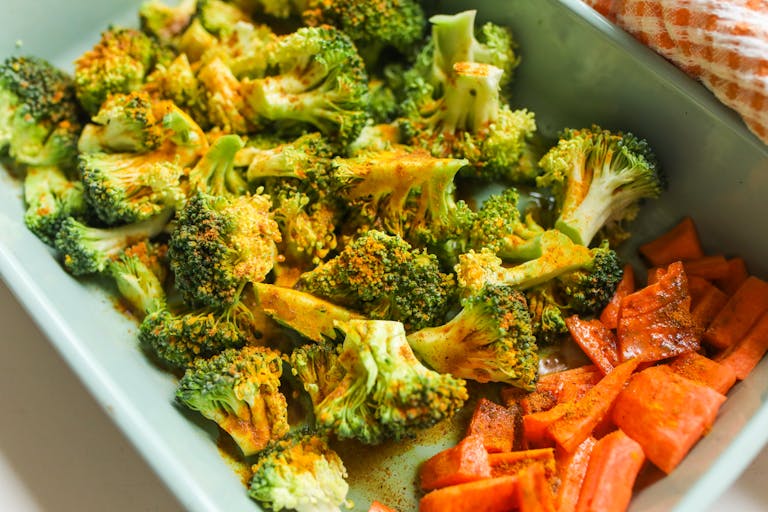
To maximize the benefits of these foods, you should aim for “synergy.” This means combining your high-protein choices with colorful plants. For instance, pairing your wild salmon with turmeric-roasted cauliflower and sautéed spinach creates a “triple-threat” meal against inflammation.
Avoid the “Western Diet” trap of pairing your protein with refined white flours or sugary sauces. Sugar is the primary fuel for inflammation, and eating it alongside protein can actually create compounds called Advanced Glycation End-products (AGEs), which accelerate aging and tissue damage.
Related Articles
- The “Ginger Effect”: Why Eating This Root Daily Flushes Out 3 Specific Toxins
- The “Savory Shield”: The 1-Minute Appetizer That “Locks” Insulin and Blocks Fat Storage
- Forget Pomegranate Seeds: The $2 Superfood with 5x More Antioxidants (Plus 9 Others You’re Missing)
- Never Do This After Eating Salty Foods—Doctors Say It Can Spike Heart Attack Risk
- David Bars for Rapid Fat Loss & Muscle? The Shocking Truth Revealed!