FREE SHIPPING OVER $50

Beat Constipation in 10 Minutes: 5 Yoga Poses to Unblock Your Digestion ASAP

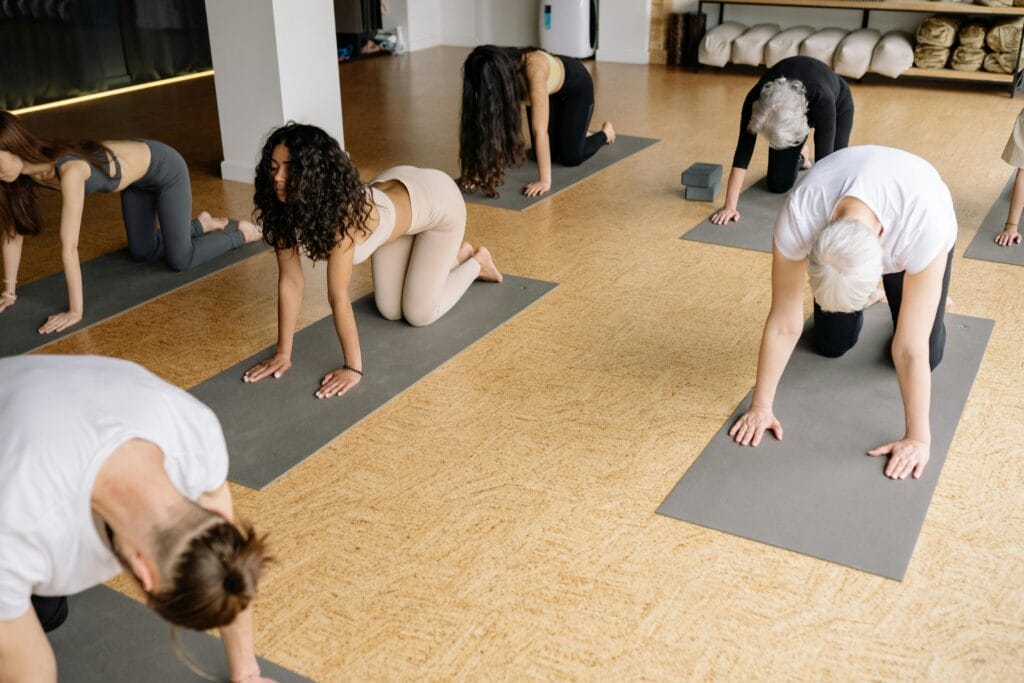
Constipation creates a heavy, sluggish feeling that clouds your focus and tanks your energy. While many reach for over-the-counter laxatives, these often lead to dependency and cramping. A faster, more sustainable approach uses the mechanical power of yoga. By employing specific “twisting” and “compressing” movements, you provide your digestive tract with an internal massage that physically encourages waste to move through the colon.
Yoga stimulates the “rest and digest” mode of the parasympathetic nervous system while physically manipulating abdominal organs. When you twist your torso or pull your knees to your chest, you create a temporary “kink” in blood flow; once released, oxygenated blood rushes back to kickstart peristalsis. This 10-minute routine is designed to unblock your system and help you feel lighter without the long wait time of a pill.
The Science of the “Internal Massage”
The human digestive tract is essentially a long, muscular tube that relies on movement to function. However, modern life often keeps us sedentary, which leads to “lazy” bowel syndrome. Yoga poses act as a manual pump for the colon. Specifically, the ascending and descending colons are positioned in a way that responds to the pressure of your own body weight.
By following a specific order of poses, you can target the path of digestion. We start on the right side to stimulate the ascending colon and move to the left to assist the descending colon. This strategic “unblocking” method is why yoga is often more effective than standard stretching for immediate relief.
| Factor | Laxatives | Yoga for Digestion |
| Action Speed | 6 to 12 hours | 10 to 20 minutes |
| Method | Chemical stimulation | Mechanical massage |
| Side Effects | Cramping, dehydration | Improved flexibility, calm |
| Cost | Recurring expense | Free |
5 Yoga Poses to Unblock Your Digestion
1. Wind-Relieving Pose (Pawanmuktasana)
As the name suggests, this is the most direct pose for relieving gas and stimulating the bowels. By pulling your knees toward your chest, you apply direct pressure to the ascending and descending colons. This pressure helps “push” air and waste toward the exit, making it the perfect “primer” for the rest of your 10-minute routine.
How to do it:
- Lie flat on your back and relax your shoulders.
- Exhale and pull your right knee toward your chest, hugging it tightly.
- Hold for 30 seconds, then repeat with the left knee.
- Finally, pull both knees in and gently rock side to side to massage the lower back and intestines.
2. Supine Spinal Twist (Supta Matsyendrasana)
Twisting poses are essentially like wringing out a wet sponge. When you twist, you compress the organs, and when you release, you flood the area with fresh blood. This specific twist helps rotate the midsection where the small intestine meets the large intestine, a common area for “traffic jams.”
How to do it:
- While lying on your back, bring your knees to your chest.
- Drop both knees over to the left side while keeping your right shoulder pressed into the floor.
- Look toward your right hand to complete the spiral.
- Take five deep “belly breaths” here, feeling your stomach press against your thighs.
- Switch sides and repeat.
3. Cobra Pose (Bhujangasana)
While twists compress the gut, Cobra pose does the opposite: it stretches the abdominal wall. This creates space in the abdominal cavity and relieves the pressure that causes bloating. It also stimulates the stomach and gallbladder, which are essential for releasing the bile needed to break down waste.
How to do it:
- Lie on your stomach with your hands placed under your shoulders.
- Keep your elbows tucked close to your ribs.
- Inhale as you gently lift your chest off the floor using your back muscles.
- Keep your gaze forward and your neck long.
- Hold for 3 breaths, then slowly lower back down.
4. Child’s Pose (Balasana)
This is more than just a resting pose. In Child’s Pose, your thighs press firmly against your abdomen, providing a gentle, consistent compression. This pose also calms the nervous system. Since stress is a leading cause of “spastic colon” and constipation, relaxing the brain often allows the gut to finally let go of tension.
How to do it:
- Kneel on the floor with your big toes touching and sit on your heels.
- Separate your knees as wide as your hips.
- Fold forward, resting your forehead on the floor.
- Stretch your arms out in front of you or alongside your body.
- Focus on breathing into your lower back and feeling your belly expand against your thighs.
5. Garland Pose (Malasana)
If there is only one pose you have time for, make it this one. Malasana is a deep squat that aligns the rectum for the most efficient “elimination” angle. For centuries, humans used this natural squatting position to go to the bathroom. This pose stretches the pelvic floor and uses gravity to help move waste down.
How to do it:
- Stand with your feet slightly wider than hip-distance apart, toes turned out.
- Drop your hips into a deep squat, keeping your heels on the floor if possible.
- Bring your elbows to the inside of your knees and press your palms together.
- Keep your spine long and your chest lifted.
- Hold for 1 minute, breathing deeply into the pelvis.
Tips for Maximum Efficiency
To make this 10-minute “gut reset” even more effective, consider these three biological boosters:
- Warm Water First: Drink a glass of warm water (with lemon if you like) 5 minutes before you start. The heat helps relax the smooth muscles of the gut.
- Focus on the Exhale: Deep exhales engage the diaphragm, which physically pushes down on the stomach and intestines.
- Order Matters: Always start twists by moving to the right first. This follows the natural “clockwise” path of your colon.
Related Articles
- The 4-Minute “Reset”: The Only Daily Protocol for Chronic Pain (PT Approved)
- Crunches Hurt Your Back? 5 Gentle Bed Exercises That Flatten Your Belly After 60
- The “Lazy Girl” Workout: 10 Couch Moves That Tone Your Body While You Binge Netflix
- One Simple Exercise That Eases Knee Arthritis Pain Better Than Rest, Backed by Science
- No Time? 10 Genius Ways to Squeeze Workouts Into Your Busy Day