FREE SHIPPING OVER $50

I Swapped the American Way of Eating for European Home Cooking for 60 Days—22 Pounds Came Off Without Dieting

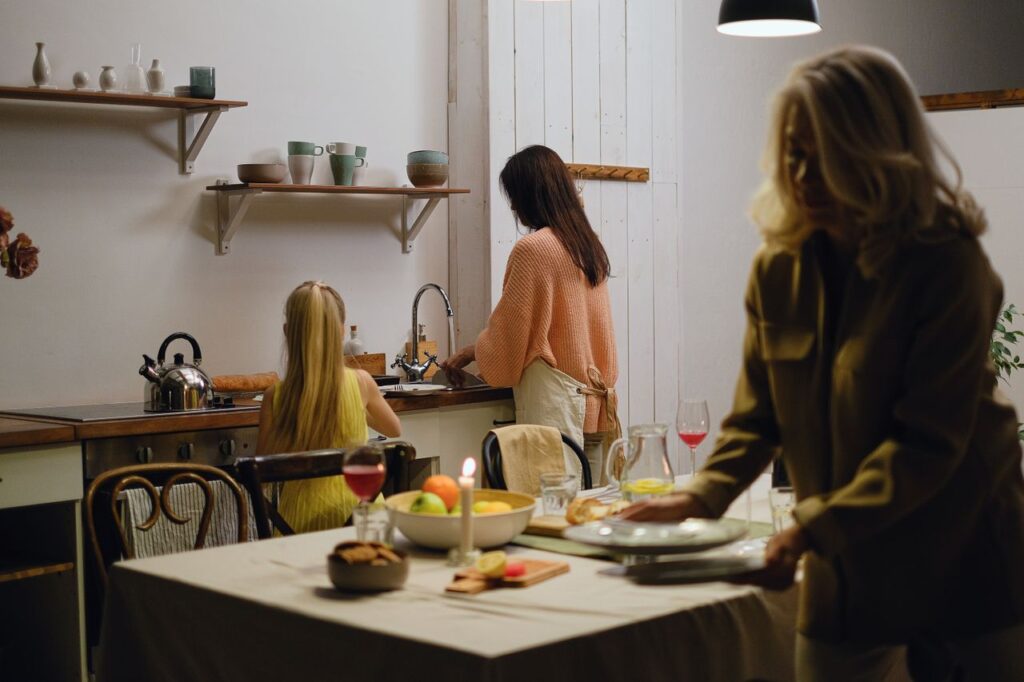
Standing in front of an open refrigerator after a long workday, most people default to convenience: a microwave dinner, a box of processed pasta, or a quick food-delivery app order. For years, following the standard modern diet meant navigating constant energy crashes, persistent inflammation, and gradual weight gain despite trying countless calorie-counting apps. However, stepping away from ultra-processed shelf staples to embrace traditional European home cooking for just 60 days completely transformed my relationship with food. Without measuring portions, cutting out whole food groups, or feeling starved, 22 pounds came off naturally. This simple dietary shift proved that weight management is rarely about sheer willpower; it comes down to the quality, processing level, and biological impact of the ingredients hitting your dinner plate.
The Food Quality Gap: Why Ultra-Processed Convenience Keeps You Hungry
To understand why traditional European-style home cooking leads to natural weight loss without strict dieting, you have to examine how ultra-processed foods manipulate human appetite hormones.
The modern industrial food ecosystem relies heavily on hyper-palatable formulations—combinations of refined seed oils, added sugars, and synthetic flavor enhancers like monosodium glutamate (MSG).
These industrial ingredients bypass your brain’s natural satiety signals, specifically suppressing the release of peptide YY and leptin, the hormones responsible for telling your stomach that you are full.
Consequently, you end up consuming hundreds of extra liquid and refined calories while your body remains cellularly malnourished and constantly searching for real nutrients.
Conversely, traditional European culinary culture revolves around fresh, whole ingredients, simple seasoning, and unrefined cooking fats like extra virgin olive oil and real butter.
When you prepare meals using raw vegetables, high-quality proteins, and intact whole grains, your digestive system slows down nutrient absorption, keeping your blood sugar stable and driving away random snack cravings.
“Weight loss is not simply a math equation of calories in versus calories out. It is a biological response to the nutrient density and processing level of the food you eat.”
At a Glance: Standard Ultra-Processed Diets vs. Traditional European Home Cooking
Comparing standard packaged convenience foods against whole-food European home cooking reveals why changing your culinary environment alters your metabolism.
| Dietary Factor | Standard Ultra-Processed Meals | Traditional European Home Cooking |
| Primary Ingredient Base | Refined flours, high-fructose corn syrup, & seed oils | Whole vegetables, lean meats, seafood, & olive oil |
| Blood Sugar Impact | Rapid glucose spikes followed by sharp energy crashes | Slow, steady energy release without insulin surges |
| Satiety & Fullness Duration | Short; hunger returns within 1 to 2 hours | Long; natural fats & fibers keep you full for 4 to 6 hours |
| Chemical Additives | High levels of emulsifiers, preservatives, & artificial dyes | Minimal to zero synthetic additives or hidden sugars |
| Calorie Counting Requirement | High; requires strict portion tracking to control intake | None; internal hunger cues regulate intake naturally |
The 4 Golden Rules of European Home Cooking That Melted the Weight
Adopting these four core habits allowed me to drop 22 pounds while eating satisfying, delicious meals every single day:
1. Ditching Hidden Sugars and Emulsifiers
The biggest shock of stepping away from pre-packaged box meals was discovering just how much added sugar hides in everyday items like pasta sauces, salad dressings, and sandwich breads.
European cooking relies on building natural flavors using fresh garlic, onions, herbs, and lemon juice rather than corn syrups and chemical thickeners.
Removing hidden sugars from daily meals lowered systemic inflammation, reduced facial bloat, and restored normal insulin sensitivity within the first two weeks.
2. Cooking with Whole Stable Fats Instead of Refined Seed Oils
Many traditional diets use extra virgin olive oil, avocado oil, and grass-fed butter as primary cooking bases rather than heavily refined soybean or canola oils.
Cold-pressed olive oil contains high concentrations of oleic acid and polyphenols, which reduce gut inflammation and support heart health.
Including healthy fats with every meal slows down gastric emptying, keeping you satisfied so you do not find yourself searching through the pantry an hour after dinner.
3. Making Whole Vegetables the Centerpiece of Every Plate
In typical fast-paced meals, vegetables are often treated as an afterthought—a tiny side salad or a few frozen peas.
European home cooking makes seasonal vegetables the primary anchor of stews, bakes, and roasted sheets.
Filling half your plate with fiber-rich vegetables like zucchini, eggplant, bell peppers, and leafy greens adds physical volume to your stomach, triggering mechanical stretch receptors that signal your brain to stop eating.
4. Embracing a Slower, Mindful Mealtime Routine
Beyond the ingredients themselves, changing how you eat plays a massive role in digestion and weight loss.
Sitting down at a dinner table without screens, taking time to chew your food thoroughly, and enjoying conversation gives your digestive tract the 20 minutes it needs to signal fullness to your brain.
Mindful eating prevents accidental overeating and drastically reduces post-meal indigestion and bloating.
What a Typical Day of European Home Cooking Looks Like
Eating this way never feels restrictive because every meal is packed with real flavor, healthy fats, and satisfying textures:
- Morning Breakfast: Two pasture-raised eggs scrambled in extra virgin olive oil, served alongside a slice of sourdough bread and fresh sliced tomatoes.
- Mid-Day Lunch: A rich Mediterranean tuna and white bean salad tossed with arugula, red onions, capers, olive oil, and fresh lemon juice.
- Afternoon Snack: A small bowl of plain Greek yogurt topped with fresh berries and a handful of raw walnuts.
- Evening Dinner: Baked herb-crusted salmon served over roasted asparagus and a warm garlic ratatouille made with eggplant, bell peppers, and crushed tomatoes.
2 Common Pitfalls to Avoid When Switching Food Styles
Steering clear of these simple mistakes ensures your whole-food kitchen transition remains successful and sustainable:
Mistake 1: Replacing Packaged Junk Food with “Organic” Packaged Junk Food
Buying organic cookies, chips, and frozen pizzas still fills your body with refined flour and processed sugar. Focus on buying single-ingredient foods—like fresh produce, eggs, fish, and whole grains—rather than buying boxed foods with healthier marketing labels.
Mistake 2: Fearing Healthy Culinary Fats
Many people who spent years on low-fat diets instinctively fear using olive oil or butter. Healthy fats are essential for hormone production and nutrient absorption. Use olive oil generously on whole vegetables to make them taste incredible and keep your energy stable.
Related Articles
- I Replaced My Vitamin C Supplement With These 9 Foods—Here’s What Happened to My Energy and Immunity
- 10 Antioxidant Powerhouses That Beat Pomegranate at Its Own Game—No. 3 Costs Pennies
- Think Yogurt Is the Best Probiotic? These 7 Foods Pack Way More Good Bacteria
- Forget Kale and Matcha: Moringa Seeds Are the Ancient Superfood That Belongs in Your Kitchen AND Your Skincare Routine
- How to Make Okra Water in 4 Simple Steps