FREE SHIPPING OVER $50

The Gym Bench Is a Full-Body Powerhouse—10 Exercises That Prove You’ve Been Using It Wrong

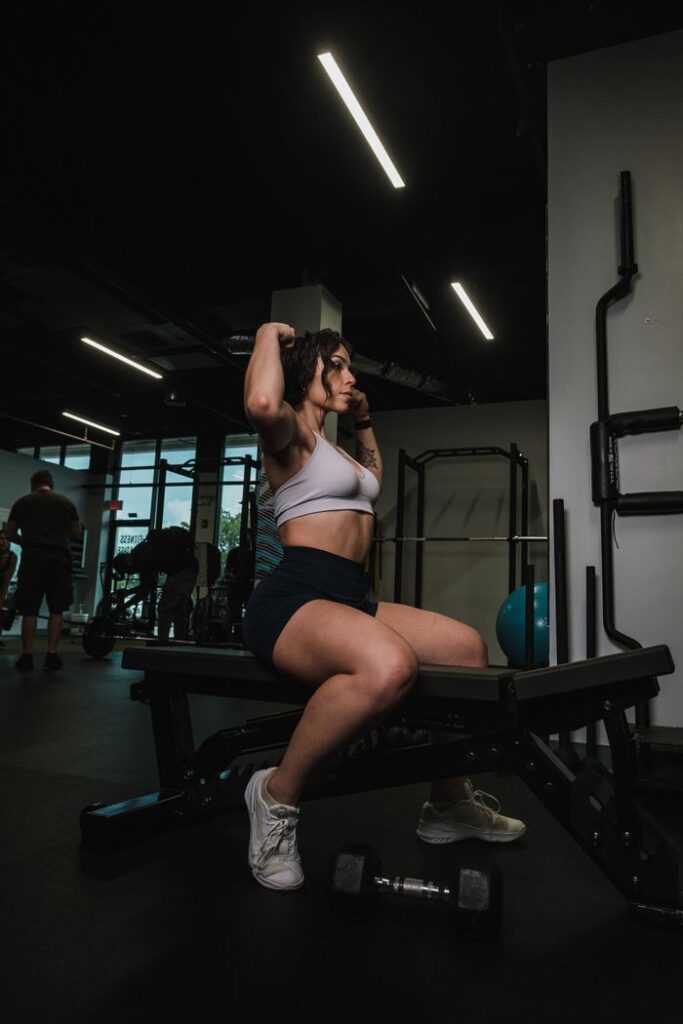
Walk into almost any weight room, and you will see a familiar pattern: lifters standing in line waiting to lie flat on their backs, press a heavy barbell off their chest, and then immediately walk away from the flat bench. While heavy bench pressing certainly earns its place as a classic chest-building compound exercise, treating this humble piece of gym equipment as a single-purpose press station means missing out on incredible full-body gains. Certified strength coaches and functional training specialists recognize that a sturdy flat gym bench is actually one of the most versatile training tools in the entire facility. By using the elevated surface for joint stabilization, explosive plyometrics, single-leg isolation, and deep core work, you can transform a simple flat bench into a high-efficiency station that builds dense muscle, improves hip mobility, and elevates your overall conditioning.
The Biomechanical Advantage: Why Elevation Unlocks Better Gains
To understand why the gym bench deserves a central role in your full-body routine, you have to examine how altering elevation changes biomechanical leverage.
When you execute movements with your feet, hands, or hips elevated on a bench, you instantly change the angle of force pull across your joints.
Elevating your rear foot during lower-body exercises places intense mechanical tension on your lead quadriceps and glutes while stretching tight hip flexors under load.
Placing your hands or feet on a bench during upper-body pushing movements alters shoulder position, allowing for deeper chest stretches and targeted upper chest recruitment without stressing your rotator cuff.
Furthermore, using a fixed bench for core and conditioning drills creates a stable pivot point that allows you to work through a greater range of motion than flat floor work.
Capitalizing on these elevated angles lets you build functional strength, fix left-to-right muscle imbalances, and keep your workouts fresh without needing expensive specialized equipment.
“The flat gym bench is not just a seat for chest presses. It is a multi-angle stability tool that turns basic bodyweight and dumbbell moves into high-potency muscle builders.”
At a Glance: Standard Bench Use vs. Full-Body Bench Utilization
Comparing traditional single-purpose bench usage against a versatile full-body approach demonstrates how much potential most lifters leave on the weight room floor.
| Training Parameter | Traditional Chest-Only Bench Use | Versatile Full-Body Bench Protocol |
| Target Muscle Groups | Pecks, anterior deltoids, and triceps | Full body (Glutes, quads, core, back, and shoulders) |
| Unilateral Mobility | Minimal; both feet usually stay flat | High; isolates single-leg balance and opens hip flexors |
| Core Activation | Secondary stabilization during heavy presses | Direct core involvement through elevated levers & planks |
| Conditioning Potential | Low; long rest periods between heavy sets | High; fast-paced bodyweight plyometrics & step-ups |
| Joint Health Impact | Can strain shoulder caps if over-pressed | Enhances hip stability and restores ankle dorsiflexion |
10 Exercises That Unlock the Gym Bench’s Full Power
Integrating these ten functional exercises into your routine proves just how powerful a simple flat bench can be for full-body strength:
1. The Bulgarian Split Squat
Set your back foot laces-down on the bench, step your front foot out about two to three feet, and lower your back knee straight down toward the floor.
This single-leg powerhouse forces your lead quad and glute to carry the load while actively opening the hip flexor of your trailing leg under load.
2. Feet-Elevated Incline Push-Ups
Place your toes securely on the bench while setting your hands shoulder-width apart on the floor.
Elevating your feet shifts more of your body weight onto your upper chest and shoulders, mimicking the muscle-building benefits of an incline dumbbell press without heavy iron.
3. Bench Hip Thrusts
Rest your upper back against the edge of the bench, plant your feet flat on the ground hip-width apart, and drive through your heels to extend your hips toward the ceiling.
This exercise offers superior glute activation compared to standard floor bridges because the bench elevation allows a much deeper hip stretch at the bottom.
4. Hands-Elevated Single-Arm Dumbbell Rows
Place one hand firmly on the bench, keep your spine flat, and pull a dumbbell up toward your hip with the opposite arm.
Using the bench as a solid base allows you to lift heavier loads safely without straining your lower back.
5. Incline Bench Mountain Climbers
Place both hands flat on the bench with your arms extended, keeping your body in a rigid plank line while driving your knees rapidly toward your chest.
This elevated position reduces wrist strain while letting you move faster to jack up your heart rate.
6. Alternating Bench Step-Ups
Stand tall facing the side of the bench, plant your entire foot flat on the top surface, and press through your heel to drive your body up.
Step-ups build functional leg power and single-leg stability while keeping your knees safe from hard joint impact.
7. Bench Decline Dragon Flags & Leg Raises
Lie flat on the bench, grab the edges behind your head for support, and lift your legs and lower back straight up off the pad into a controlled lever.
Lower your legs slowly over a 3-second count to hit your deep core muscles with intense tension.
8. Elevated Triceps Dips
Sit on the front edge of the bench, place your hands beside your hips, slide your seat forward off the pad, and lower your elbows to a 90-degree angle before pressing back up.
This bodyweight move isolates your triceps while opening up tight shoulders.
9. Bench Lateral Bounds (Over-the-Bench Hops)
Place both hands securely on the middle of the bench, grip the edges, and hop your feet side-to-side over the rear section of the pad.
This dynamic exercise burns serious calories while building lateral explosive power and shoulder endurance.
10. Chest-Supported Dumbbell Rear Delt Flyes
Straddle the bench facedown at a slight angle or lie flat across the pad to perform dumbbell rear delt flyes.
Supporting your chest eliminates momentum and body sway, forcing your upper back and rear deltoids to execute the work with complete isolation.
How to Work These Exercises into Your Routine
Structuring these movements into clear training days ensures you get the most out of your gym bench time:
- Lower-Body Focus: Pair Bulgarian split squats with heavy bench hip thrusts and weighted step-ups for an intense single-leg workout.
- Upper-Body Burnout: Group chest-supported rear delt flyes, feet-elevated push-ups, and single-arm rows together for an upper-body superset.
- Full-Body Conditioning Circuit: Perform bench hops, mountain climbers, and alternating step-ups back-to-back with minimal rest to spike your metabolic burn.
2 Common Gym Bench Mistakes to Avoid
Steering clear of these simple setup errors keeps your joint mechanics safe and maximizes your strength gains:
Mistake 1: Setting Your Front Foot Too Close During Split Squats
Placing your front foot too close to the bench during Bulgarian split squats forces your lead knee to shoot forward aggressively over your toes while lifting your lead heel. Step far enough forward so your shin stays relatively vertical and your front heel remains glued to the floor.
Mistake 2: Hyperextending Your Lower Back During Hip Thrusts
Arching your lower back aggressively at the top of a bench hip thrust shifts the workload off your glutes and directly into your lumbar spine. Keep your chin tucked slightly toward your chest, keep your ribs down, and squeeze your buttocks tightly at the top without arching your spine.
Related Articles
- An Exercise Scientist Says These 5 Exercises Are All You Need for Explosive Muscle Growth (Everything Else Is a Waste of Time)
- STOP Sitting Disease: A Physical Therapist Reveals the ONE Muscle That Will Save Your Hips & Back
- Summer Body in Weeks: This “Lazy” Workout Transforms You FAST (No Gym Needed!)
- Forget Crunches: The Single Best Exercise for Bulletproof Core, Killer Quads & Powerful Hips (You’re Missing This!)
- This Gym Machine Is Destroying Your Body (And You’re Probably Using It Wrong)