FREE SHIPPING OVER $50

Men Over 50: These 10 Exercises Are the Difference Between Aging Strong and Falling Apart (No. 4 Is Non-Negotiable)

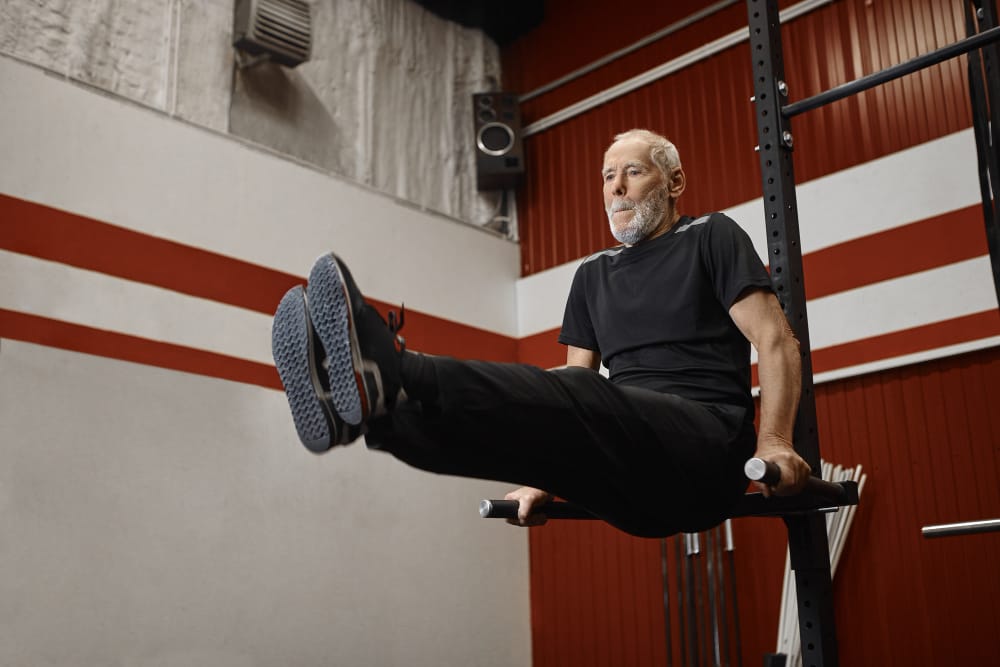
Hitting the half-century mark often comes with an unsettling shift in how your body responds to daily physical demands, where heavy gym sessions that used to build muscle suddenly result in lingering joint pain, stiff lower back flare-ups, and nagging shoulder injuries. As testosterone levels naturally decline and age-related muscle loss accelerates, continuing to follow high-impact workouts designed for twenty-somethings is a fast track to chronic inflammation and physical decline. However, exercise physiologists and longevity specialists agree that the solution is not to stop lifting, but to pivot toward targeted, low-impact movements that preserve joint integrity while driving lean muscle retention. Mastering a specific set of foundational exercises allows men over 50 to bulletproof their spines, reclaim physical power, and build a body that stays lean, agile, and pain-free for decades.
The Biological Shift After 50: Why Joint-Friendly Strength Rules
Understanding why your training strategy must evolve after age 50 comes down to analyzing structural shifts within your muscular and skeletal systems. Starting around age 50, men experience a natural loss of muscle mass known as sarcopenia, losing approximately one to two percent of lean muscle per year if they do not engage in resistance training.
At the same time, your connective tissues—including tendons, ligaments, and articular cartilage—lose elasticity and water content, making them far more prone to tears and inflammation under heavy loads.
Relying purely on heavy spinal-compressing lifts like traditional back squats or flat barbell bench presses often accelerates joint breakdown.
Conversely, functional multi-joint movements recruit deep stabilizing muscles, enhance joint mobility, and stimulate bone density without overloading vulnerable areas like your lumbar spine or rotator cuffs.
“After 50, your workout goal shifts from vanity ego-lifting to joint preservation and functional power. The right exercise selection keeps you strong without forcing you to recover on the couch for days.”
At a Glance: High-Impact Training vs. Joint-Friendly Longevity Moves
Comparing traditional heavy training against a joint-friendly longevity protocol highlights how exercise selection protects your body after 50.
| Fitness & Functional Marker | High-Impact Heavy Barbell Training | Joint-Friendly Longevity Training |
| Lumbar Spine Stress | High spinal compression & disc shear risk | Minimal lumbar stress; high core bracing |
| Joint Wear & Tear | High friction on shoulders, knees & hips | Smooth movement paths that lubricate joints |
| Lean Muscle Retention | High, but frequently interrupted by injury | Consistent, sustainable muscle activation |
| Balance & Stability Impact | Low emphasis on multi-planar balance | High activation of stabilizer muscles |
| Recovery Requirements | 48 to 72 hours of systemic nervous system fatigue | Rapid recovery with minimal joint soreness |
The 10 Essential Exercises for Men Over 50
Incorporating these ten joint-friendly movements into your weekly workout routine shields your body from injury while building functional strength:
1. The Goblet Squat
Standard barbell back squats place a massive axial load directly onto your lumbar spine. The goblet squat solves this issue by holding a single kettlebell or dumbbell close to your chest, acting as a counterweight that allows you to squat deep with an upright torso while building quad and glute strength.
2. The Bulgarian Split Squat
Unilateral training isolates each leg individually, correcting strength imbalances between your left and right sides without needing ultra-heavy weights. Elevating your back foot on a bench increases hip mobility, strengthens your glutes, and builds knee stability to protect your cartilage.
3. The Dumbbell Romanian Deadlift (RDL)
Hinging at your hips strengthens your hamstrings, glutes, and lower back extensors—the exact posterior chain muscles needed to prevent age-related stooping posture. Using dumbbells allows your hands to track naturally along your thighs, reducing lower back strain compared to a rigid barbell.
4. The Farmer’s Carry (The Non-Negotiable)
If you only have time for one exercise, make it the farmer’s carry. Picking up a pair of heavy dumbbells and walking for distance builds brutal grip strength, reinforces shoulder blade stability, strengthens your core, and improves posture. Strong grip strength is directly correlated with long-term cardiovascular health and lower mortality rates in older adults.
5. Inverted Rows or Cable Seated Rows
Years of sitting at desks and driving cause shoulders to roll forward, leading to rotator cuff impingement. Seated cable rows or bodyweight inverted rows target your rhomboids and mid-traps, pulling your shoulders back into healthy alignment and restoring posture.
6. Neutral-Grip Dumbbell Overhead Press
Pressing with a straight barbell forces your shoulders into internal rotation, which often pinches delicate tendons in men over 50. Using dumbbells with your palms facing each other (neutral grip) opens up your shoulder joints, allowing you to build overhead strength safely.
7. The Incline Dumbbell Bench Press
Flat barbell bench pressing puts maximum stretch and strain on your anterior shoulder capsules. Switching to a 30-degree incline with dumbbells decreases shoulder shear stress while placing peak mechanical tension directly onto your upper chest muscle fibers.
8. The Pallof Press
Traditional sit-ups and crunches flex your spine forward, compressing your lumbar discs. The Pallof press is an anti-rotation cable exercise that teaches your core to resist twisting forces, creating a solid trunk that protects your lower back during daily lifting movements.
9. Step-Ups onto an Elevated Platform
Stepping up onto a knee-height box or sturdy platform strengthens your quads and hip flexors while training dynamic single-leg balance. This functional movement directly translates to everyday activities like climbing stairs without joint stiffness.
10. The Reverse Plank
Sitting for long periods shuts down your glutes and tightens your chest. The reverse plank opens your entire front body, stretches tight hip flexors, and forces your entire posterior chain to contract, reversing posture slumping in a single isometric hold.
2 Common Training Mistakes Men Over 50 Must Avoid
Steering clear of these frequent gym errors ensures you build lasting strength without setting yourself back with painful injuries:
Mistake 1: Ignoring Warm-Up Sets and Joint Preparation
Jumping straight into working weight sets without warming up your synovial fluid is a recipe for joint pain. Always spend 5 to 10 minutes performing light dynamic movements—like arm circles, hip hinges, and bodyweight squats—to lubricate your joints before lifting.
Mistake 2: Training to Absolute Muscular Failure
Pushing sets until your form breaks down completely causes excessive fatigue and forces smaller stabilizing muscles to give out, exposing your joints to injury. Always leave 1 to 2 clean repetitions in the tank on every set to ensure maximum safety.
Related Articles
- I Did These 6 Medicine Ball Exercises for 30 Days—My Core, Stability, and Balance Improved Faster Than Ever
- Can You Really Double Your Bench Press in 30 Days? A Strength Coach Reveals the Honest Answer
- Think You Don’t Have Time to Strength Train? You’ll Want to See This
- Most Gym-Goers Do These Triceps Moves Wrong—Here’s the Smarter Way to Train
- Want Strong, Toned Arms? Try This Trainer’s 8-Exercise Routine Today