FREE SHIPPING OVER $50

Dietitians Rank the 4 Highest-Fiber Whole Grains—And No. 1 Puts Oats to Shame

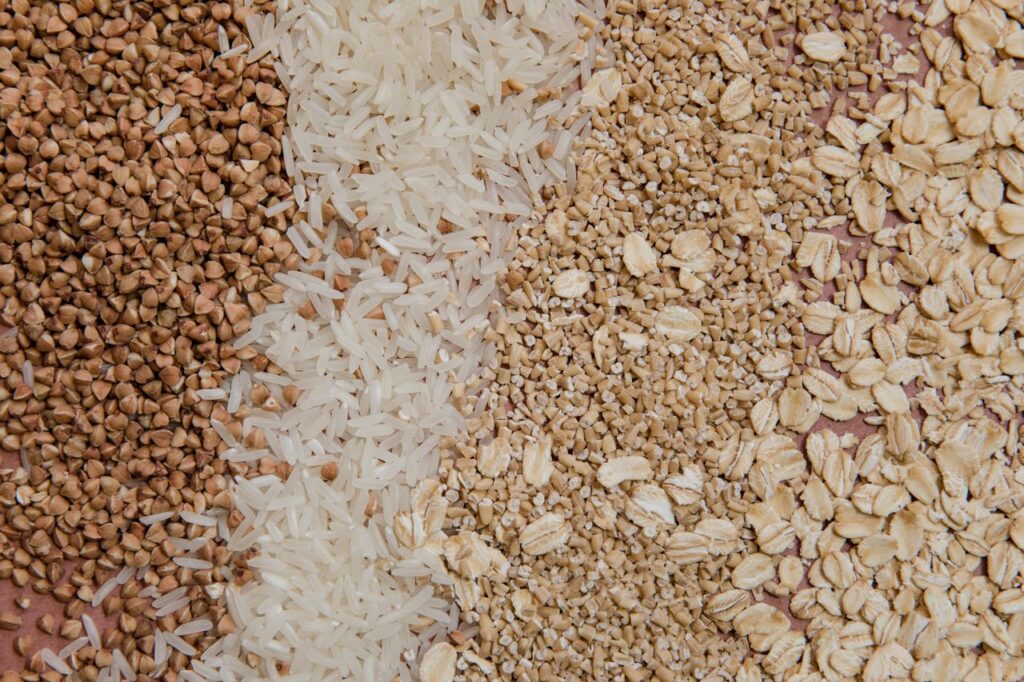
When most health-conscious shoppers think of high-fiber whole grains, rolled oats are usually the first pantry staple that comes to mind. While a warm bowl of oatmeal provides solid soluble fiber and heart-health benefits, relying exclusively on oats means you are missing out on nutrient-dense ancient grains that pack up to double the dietary fiber per cup. Dietary fiber acts as a critical engine for human metabolic health, feeding beneficial gut bacteria, blunting post-meal blood sugar spikes, lowering harmful LDL cholesterol, and keeping you full for hours. If you want to optimize your gut microbiome and supercharge your weight management goals, registered dietitians have ranked the top four highest-fiber whole grains on the planet—and the top spot blows traditional oats out of the water.
Why Dietary Fiber Is the Ultimate Metabolic Multi-Tool
Dietary fiber is an indigestible complex carbohydrate found exclusively in plant foods. Unlike simple sugars or refined starches that break down into glucose almost instantly, fiber passes through your stomach and small intestine largely intact.
Dietitians categorize fiber into two primary types, both of which play essential roles in keeping your body healthy:
- Soluble Fiber: Dissolves in water to form a viscous, gel-like substance inside your digestive tract. This gel slows down gastric emptying, traps circulating cholesterol molecules, and prevents sudden glucose spikes.
- Insoluble Fiber: Adds bulk to digestive waste and accelerates movement through your intestines, preventing constipation and supporting a healthy intestinal lining.
Furthermore, gut microbes ferment soluble fiber into short-chain fatty acids (SCFAs) like butyrate, acetate, and propionate.
These short-chain fatty acids nourish your colon cells, reduce systemic inflammation, and regulate appetite hormones like GLP-1 to keep hunger pangs at bay.
“Oats are great, but ancient grains like bulgur and barley pack significantly more fiber per cup while delivering diverse prebiotic fibers that keep your gut microbiome thriving.”
At a Glance: Highest-Fiber Whole Grains Ranked
Comparing these dietitian-approved whole grains side-by-side reveals how easy it is to double your daily fiber intake without eating extra food.
| Rank & Whole Grain | Fiber per Cooked Cup | Primary Fiber Type | Key Health Advantage |
| 1. Bulgur Wheat (The Winner) | 8.2 Grams | Insoluble & Prebiotic Fiber | Delivers double the fiber of oats with zero cooking required |
| 2. Pearl Barley | 6.0 Grams | Soluble Beta-Glucan Fiber | Slashes LDL cholesterol and stabilizes post-meal glucose |
| 3. Rolled Oats | 4.0 Grams | Soluble Beta-Glucan Fiber | Classic breakfast staple that supports heart health |
| 4. Quinoa | 5.2 Grams | Insoluble Fiber & Complete Protein | Supplies all 9 essential amino acids alongside rich fiber |
The 4 Highest-Fiber Whole Grains, Ranked
1. Bulgur Wheat (The #1 Grain That Puts Oats to Shame)
Taking the top spot as the absolute highest-fiber whole grain is bulgur wheat. While a standard cup of cooked oatmeal provides roughly 4 grams of dietary fiber, a single cup of cooked bulgur wheat delivers a massive 8.2 grams of dietary fiber—more than double the fiber content of traditional oats.
Bulgur consists of whole wheat kernels that have been parboiled, dried, and cracked.
Because it is already partially cooked during processing, preparing bulgur at home is astonishingly fast; simply soak it in boiling water for ten to fifteen minutes.
Bulgur is exceptionally rich in insoluble fiber and resistant starch, making it a powerful natural tool for fueling beneficial gut bacteria and promoting smooth, regular digestion.
Its light, nutty flavor and chewy texture make it the perfect high-fiber base for Mediterranean tabbouleh salads, grain bowls, and savory side dishes.
2. Pearl Barley
Coming in at number two on the dietitian ranking is pearl barley, boasting an impressive 6.0 grams of fiber per cooked cup.
Barley is one of the absolute best natural sources of beta-glucan, a specialized type of soluble fiber known for its remarkable ability to bind to cholesterol in the digestive tract and escort it out of the body.
Regularly eating beta-glucan-rich grains like barley lowers circulating LDL cholesterol and improves insulin sensitivity.
Barley has a delightfully hearty, chewy texture and a nutty flavor profile that holds up exceptionally well in rich soups, slow-cooker stews, and cold grain salads.
Swapping white rice for barley instantly quadruples the fiber content of your evening dinner plate.
3. Rolled Oats
Holding down the third spot is everyone’s favorite breakfast staple, rolled oats, delivering 4.0 grams of dietary fiber per cooked cup.
While oats yield less total fiber per serving than bulgur or barley, they remain a top choice among dietitians because their fiber is exceptionally high in bioavailable beta-glucan.
Eating oatmeal for breakfast forms a protective gel in your stomach that delays carbohydrate digestion, ensuring a slow, steady release of glucose into your bloodstream.
To maximize the fiber content of your morning bowl, skip sugar-laden instant oatmeal packets in favor of steel-cut or rolled oats, and top them with high-fiber add-ins like chia seeds, ground flaxseed, and fresh berries.
4. Quinoa
Rounding out our top four list is quinoa, providing 5.2 grams of dietary fiber per cooked cup.
Technically an ancient seed harvested from the Chenopodium quinoa plant, quinoa is prepared and enjoyed just like a traditional whole grain.
What makes quinoa a nutritionist favorite is its complete nutritional profile.
Beyond its high fiber content, quinoa is one of the few plant foods that qualifies as a complete protein, supplying all nine essential amino acids that your body cannot produce on its own.
It is naturally gluten-free, cooks in just fifteen minutes, and serves as an effortless high-protein, high-fiber substitute for white rice in any dish.
3 Easy Ways to Eat More High-Fiber Grains Every Day
Increasing your daily fiber intake does not require complex meal prep or drastic diet overhauls:
- Mix Your Breakfast Grains: Combine equal parts rolled oats and bulgur wheat when prepping overnight oats to instantly boost your morning fiber count.
- Batch Cook Grain Salad Bases: Cook a large pot of barley or quinoa on Sunday, store it in the fridge, and scoop it into green salads throughout the week for added texture and satiety.
- Bulk Up Soups and Stews: Toss half a cup of uncooked bulgur or barley directly into bubbling vegetable or chicken soup during the last twenty minutes of cooking to absorb flavor and add thick, comforting texture.
Related Articles
- The Coffee Loophole That Melts Fat While You Sip (Most People Drink Coffee the Wrong Way)
- How Collagen Coffee Supports Weight Loss
- Why They Call This Fiber Supplement “The Poor Man’s Ozempic”
- Is Intermittent Fasting the Secret to Rapid Weight Loss?
- One Simple Change to Your Night Routine That Melts Fat While You Sleep
- The Surprising Morning Ritual That Burns Belly Fat—It Takes Less Than 5 Minutes