FREE SHIPPING OVER $50

New Research Reveals What Happens When You Mix Creatine and Protein Powder—The Results Are Impressive

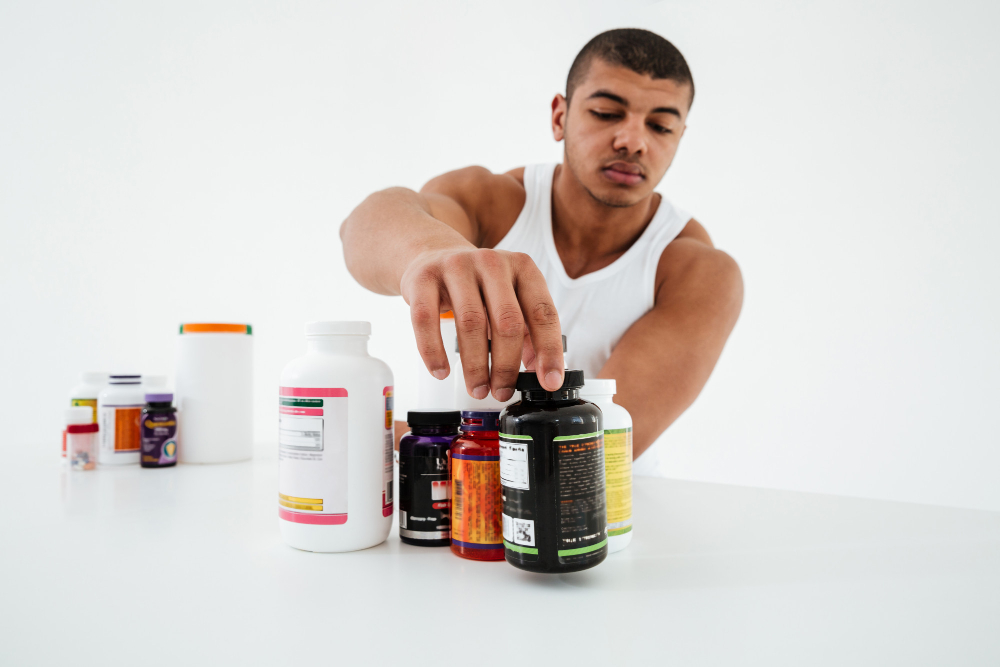
If you spend any time reading fitness forums or building a daily wellness stack, you have likely wondered whether tossing a scoop of creatine monohydrate directly into your post-workout protein shake enhances performance or simply wastes two good supplements. While gym bro-science often argues about precise timing or claims that combining powders interferes with stomach absorption, sports nutritionists and longevity researchers confirm that pairing creatine and protein powder creates a powerful synergistic effect. Instead of competing for absorption, these two supplement titans work through entirely distinct biological mechanisms to accelerate lean muscle repair, increase explosive force production, protect cellular energy, and even support long-term cognitive vitality as you age.
The Distinct Biology of Creatine and Protein Powder
To understand why mixing creatine and whey or plant protein powder delivers such impressive physiological results, you have to examine how each compound operates inside your body. While both supplements support physical recovery and cellular health, they perform completely different jobs at a molecular level.
Protein powder supplies your body with essential amino acids—particularly leucine, isoleucine, and valine—which act as the physical building blocks for muscle protein synthesis (MPS).
When you consume high-quality protein, your body breaks it down into amino acids to repair the microscopic muscular tears caused by physical resistance training.
Creatine, on the other hand, is an organic acid synthesized in your liver and kidneys that stores high-energy phosphate groups in the form of phosphocreatine.
Your cells use phosphocreatine to rapidly regenerate adenosine triphosphate (ATP), which serves as the primary energy currency for explosive muscle contractions, nerve signaling, and cellular repair.
“Protein powder supplies the structural bricks to rebuild muscle tissue, while creatine fuels the cellular engine that powers those repair processes. Combining them creates a complete biological recovery system.”
At a Glance: Creatine vs. Protein Powder Synergies
Comparing how creatine and protein powder function together highlights why stacking them yields superior fitness and longevity benefits.
| Biological Function | Protein Powder Alone | Creatine Monohydrate Alone | Combined Creatine + Protein Stack |
| Primary Physiological Role | Supplies amino acid building blocks for repair | Regenerates ATP energy for explosive power | Stimulates maximum muscle repair and power output |
| Primary Cellular Target | Muscle fiber myofibrils & structural tissue | Cellular mitochondria & phosphocreatine stores | Comprehensive muscle repair & cellular energy hydration |
| Impact on Muscle Growth | Triggers muscle protein synthesis | Increases cell hydration & anabolic signaling | Maximum lean mass gains and accelerated recovery |
| Cognitive & Longevity Impact | Supports neurotransmitter synthesis | Protects brain ATP stores & combats mental fatigue | Enhanced cellular energy, muscle retention & focus |
| Digestive Absorption Speed | Fast to moderate amino acid uptake | Rapid absorption in small intestine | Smooth, simultaneous absorption with zero interference |
5 Impressive Results of Mixing Creatine and Protein Powder
1. Accelerated Muscle Protein Synthesis and Lean Mass Retention
Combining protein powder and creatine creates an optimal environment for muscle hypertrophy and tissue preservation. Protein powder delivers a rapid surge of essential amino acids into your bloodstream, kicking off the muscle repair process within hours of consumption.
Meanwhile, creatine increases intracellular fluid retention inside your muscle cells—a process known as cell volumization.
This heightened cellular hydration acts as a biological anabolic trigger, signaling to your body that it is in a state of energy abundance.
Consequently, your cells synthesize new structural proteins more efficiently while reducing systemic muscle breakdown, helping you preserve crucial lean muscle mass as you age.
2. Enhanced ATP Regeneration and Explosive Power
While protein powder supplies the materials to rebuild damaged tissue, creatine ensures you have the raw power needed to perform heavy lifts and high-intensity movements in the gym.
By saturating your muscle tissue with phosphocreatine, creatine allows your cells to instantly replenish ATP during high-demand physical tasks.
Drinking a daily shake that combines both supplements ensures that your muscles stay fully saturated with phosphocreatine while receiving a steady stream of recovery amino acids.
This combination allows you to lift heavier weights for more reps, driving greater mechanical tension that translates into noticeable gains in physical strength and physical endurance over time.
3. Protection Against Age-Related Muscle and Bone Loss
Preserving functional strength and lean muscle mass—a condition known as avoiding sarcopenia—is one of the single most critical pillars of biological longevity.
As adults age, natural rates of muscle protein synthesis decline, and physical activity levels often drop.
Clinical research demonstrates that older adults who combine daily resistance exercise with a protein and creatine supplement preserve significantly more muscle mass and bone mineral density than those taking protein alone.
Creatine stimulates specialized bone-building cells called osteoblasts, while whey or plant protein supports structural skeletal health, keeping you strong, mobile, and resilient throughout midlife and beyond.
4. Surprising Cognitive and Brain Energy Benefits
While most people view creatine exclusively as a gym supplement, your brain is actually one of the most energy-demanding organs in your entire body, consuming roughly 20 percent of your daily baseline energy.
Just like skeletal muscle cells, brain neurons rely heavily on ATP to maintain cognitive focus, process complex information, and protect against mental fatigue.
Supplementing with creatine increases brain phosphocreatine levels, providing a buffer against sleep deprivation, environmental stress, and cognitive decline.
Pairing creatine with protein powder—which supplies essential precursor amino acids like tryptophan and tyrosine for neurotransmitter production—helps support mood regulation, mental clarity, and long-term brain health alongside physical fitness.
5. Superior Convenience and Zero Absorption Interference
One of the most persistent myths in sports nutrition is that taking protein powder and creatine monohydrate together somehow hinders the absorption of either supplement.
In reality, your digestive system utilizes entirely separate transport mechanisms in the small intestine to absorb amino acids and organic acids.
Mixing both powders into a single liquid shake streamlines your daily routine, making it significantly easier to maintain supplement consistency.
Because consistency is the ultimate key to saturating your muscle cells with creatine and meeting your daily protein targets, combining them into one convenient drink ensures you never miss a dose.
How to Optimize Your Creatine and Protein Stack
To get the absolute best results from combining creatine and protein powder, follow these three simple, evidence-based rules:
- Use Pure Creatine Monohydrate: Skip expensive buffered or liquid forms of creatine; plain micronized creatine monohydrate is the most thoroughly researched, cost-effective, and highly bioavailable option available.
- Aim for the Right Daily Doses: Mix 3 to 5 grams of creatine monohydrate with 25 to 30 grams of high-quality whey, casein, or plant-based protein powder once daily.
- Stay Well Hydrated: Creatine pulls water directly into your muscle cells to support cell volumization; drink plenty of water throughout the day to support optimal kidney filtration and hydration.
Related Articles
- Your Body’s 8 Loudest Warnings You’re Low on Magnesium—Ignoring #7 Can Land You in the ER
- The $0.50 Supplement That Builds Muscle, Slows Aging & May Protect Your Brain from Alzheimer’s—Backed by Scientists
- Collagen Isn’t Just for Skin—Here’s How It Targets Belly Fat and Weight Gain After 50
- You’re Probably Taking Your Supplements at the Wrong Time—Here’s When They Actually Work Best
- Creatine Isn’t Just for the Gym—Here’s How It Could Supercharge Your Sex Life