FREE SHIPPING OVER $50

10 Antioxidant Powerhouses That Beat Pomegranate at Its Own Game—No. 3 Costs Pennies

Pomegranates have long enjoyed a stellar reputation as the undisputed king of antioxidant superfoods, yet their steep price tag, tough outer skin, and messy seeds often make them more hassle than help for your daily nutrition. The secret that high-end juice brands rarely admit is that your standard grocery store aisles are packed with incredible whole foods that match or even exceed the cellular protection of pomegranate without breaking your budget. From vibrant berries to humble kitchen cupboard staples, these ten antioxidant powerhouses neutralize free radicals, reduce oxidative stress, and deliver massive longevity benefits to your body every single day.
Why Cellular Protection Matters More Than Marketing Labels
Antioxidants are specialized compounds that shield your cells against oxidative stress caused by unstable molecules known as free radicals. When free radicals accumulate faster than your body can clear them, they damage cellular membrane lipids, proteins, and DNA strands, accelerating the biological aging process.
Scientists measure the radical-scavenging capacity of foods using various laboratory metrics, including total phenolic content and oxygen radical absorbance capacity. While pomegranate juice contains impressive amounts of punicalagins and anthocyanins, many everyday plants contain equal or superior concentrations of protective phytochemicals.
Relying on a single costly fruit for your daily dose of cellular defense is inefficient. Diversifying your plate with a wide spectrum of plant pigments supplies your body with distinct classes of antioxidants that work together synergistically.
At a Glance: Antioxidant Profiles Compared
| Food Source | Primary Antioxidant Family | Cost per Serving | Key Biological Advantage |
| Pomegranate Seeds | Punicalagins & Anthocyanins | High | Protects nitric oxide and supports arterial lining |
| Wild Blueberries | Concentrated Anthocyanins | Moderate | Crosses the blood-brain barrier to support memory |
| Dark Cocoa Powder | Flavanols & Epicatechins | Moderate | Expands blood vessels and supports healthy blood pressure |
| Red Cabbage (No. 3) | Anthocyanins & Glucosinolates | Ultra-Low (Pennies) | Delivers massive polyphenol counts per dollar spent |
| Blackberries | Ellagitannins & Vitamin C | Moderate | Preserves skin collagen and combats deep inflammation |
| Pecans | Proanthocyanidins & Vitamin E | Moderate | Prevents dangerous LDL cholesterol oxidation |
| Hibiscus Tea | Organic Acids & Polyphenols | Very Low | Supports kidney filtration and healthy blood pressure |
| Artichoke Hearts | Chlorogenic Acid & Silymarin | Moderate | Protects liver tissue and supports digestion |
| Small Red Beans | Flavonoids & Fiber | Very Low | Slows glucose absorption while fighting free radicals |
| Ground Cloves | Eugenol & Polyphenols | Low | Offers unmatched antioxidant density per gram |
10 Foods That Match or Surpass Pomegranate
1. Wild Blueberries
While cultivated highbush blueberries are healthy, wild lowbush blueberries are absolute powerhouses. Because wild bushes endure harsh outdoor climates, they naturally produce significantly higher levels of protective anthocyanins than farm-raised varieties.
Gram for gram, wild blueberries consistently score higher in total antioxidant capacity than fresh pomegranate arils. These deep blue pigments easily cross the blood-brain barrier, protecting brain cells from oxidative damage and boosting cognitive focus.
Keeping a bag of frozen wild blueberries in your freezer makes it effortless to toss a handful into morning oatmeal, yogurt, or smoothies.
2. Dark Cocoa Powder
Unsweetened dark cocoa powder is one of the most concentrated sources of dietary flavanols on the planet. Flavanols belong to a specific subfamily of flavonoids that stimulate your blood vessel linings to produce nitric oxide, relaxing your arteries and encouraging smooth blood flow.
Research indicates that pure, non-alkalized cocoa powder boasts a total polyphenol concentration that eclipses most fruit juices, including pomegranate. To reap these cardiovascular rewards without extra sugar, stir a tablespoon of natural dark cocoa into warm milk or morning coffee.
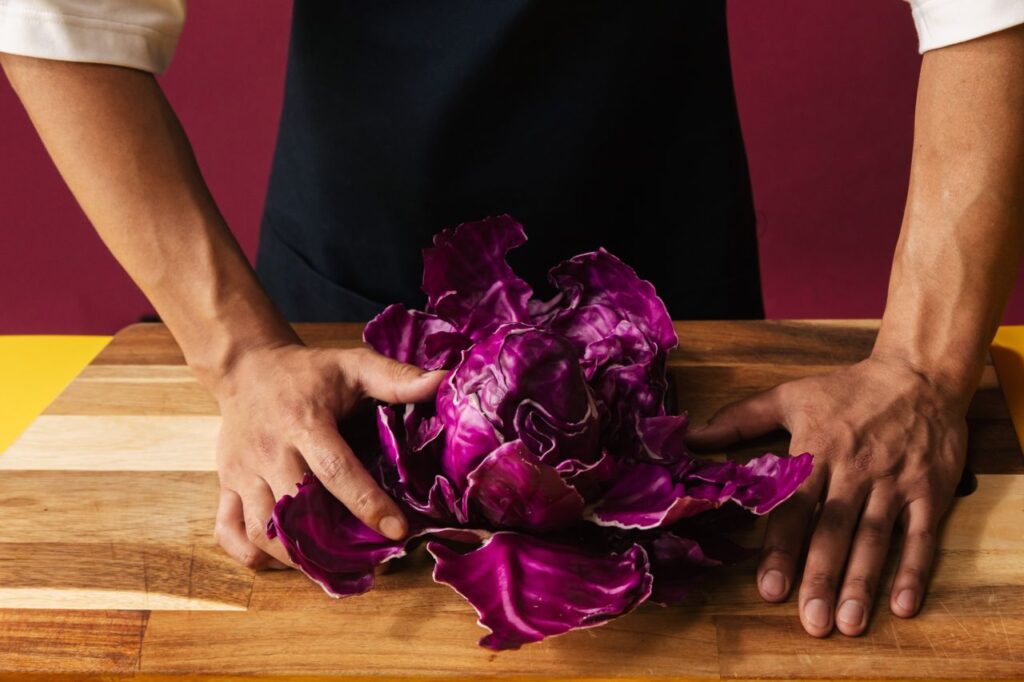
3. Red Cabbage (The Ultra-Budget Champion)
Taking the third spot on our list is perhaps the most underrated produce staple in the entire grocery store. Red cabbage delivers an astonishing volume of antioxidants for a price tag that breaks down to mere pennies per serving.
Its deep magenta color comes from a dense mixture of 36 distinct anthocyanins. Furthermore, red cabbage belongs to the brassica vegetable family, meaning it also supplies sulfur-rich glucosinolates that activate your liver’s natural detoxifying enzymes.
Slicing red cabbage thinly into salads, slaws, or stir-fries provides a crisp texture, massive cellular protection, and exceptional savings compared to fresh pomegranate seeds.
4. Blackberries
Blackberries contain a rich mix of anthocyanins, ellagitannins, and pure vitamin C. Ellagitannins break down during digestion into ellagic acid, a compound actively studied for its ability to protect cell membranes from free radical decay.
The dark, almost black hue of ripe blackberries indicates an exceptionally dense concentration of plant pigments. Enjoying a cup of fresh or frozen blackberries supplies more structural antioxidant protection per serving than a standard glass of pomegranate juice.
5. Pecans
Nuts are rarely thought of as antioxidant sources, but raw pecans contain higher levels of proanthocyanidins than any other tree nut. Proanthocyanidins are potent lipid-soluble antioxidants that safeguard delicate cell membranes from oxidation.
When human cell membranes undergo lipid peroxidation, systemic inflammation surges throughout the vascular network. Consuming a small handful of raw pecans daily shields circulating LDL cholesterol particles from oxidizing, supporting long-term heart health.
6. Hibiscus Tea
Brewed from the dried calyces of the Hibiscus sabdariffa plant, hibiscus tea yields a deep red beverage with a tart, refreshing flavor profile. It contains abundant plant compounds, including hibiscus acid, gossypetin, and anthocyanins.
Multiple clinical trials show that drinking two cups of brewed hibiscus tea daily helps maintain healthy blood pressure levels already within a normal range. It matches the polyphenol density of pomegranate juice at a fraction of the cost and with zero natural fruit sugars.
7. Artichoke Hearts
Artichokes are packed with chlorogenic acid, a unique antioxidant that helps regulate glucose metabolism and protect liver cells from inflammatory stress.
Cooked artichoke hearts consistently rank near the top of vegetable antioxidant indices. Preparing them steamed or buying water-packed canned artichoke hearts makes it easy to add high-potency cellular protection to pasta, salads, or grain bowls.
8. Small Red Beans and Black Beans
Dry legumes are remarkable nutritional values. Small red beans and black beans lead the legume family in total antioxidant capacity due to the rich flavonoid pigments concentrated in their outer seed coats.
Beyond fighting free radicals, black and red beans supply high amounts of soluble fiber. This fiber slows down carbohydrate digestion, preventing sharp blood sugar spikes while feeding beneficial gut bacteria.
Combining plant-based protein, gut-friendly fiber, and dense antioxidant capacity makes beans an unbeatable foundation for low-cost, longevity-focused meals.
9. Ground Cloves and Cinnamon
Pound for pound, culinary spices represent the most concentrated antioxidant sources on Earth. Ground cloves lead the category thanks to an immense concentration of eugenol, a potent aromatic phenol with impressive free-radical-scavenging abilities.
Similarly, Ceylon cinnamon contains high levels of cinnamaldehyde and polyphenols that assist in maintaining stable insulin sensitivity. Adding a pinch of cloves or cinnamon to morning porridge or tea delivers a concentrated surge of protective molecules without adding calories.
10. Dark Tart Cherries
Dark tart cherries—particularly Montmorency cherries—are loaded with cyanidin glycosides, a specific class of anti-inflammatory compounds. These molecules inhibit cyclooxygenase enzymes, helping calm joint stiffness and soreness after physical exercise.
Tart cherries also contain trace amounts of natural melatonin, which helps regulate sleep architecture. Improved sleep quality enhances cellular repair mechanisms overnight, reducing overall systemic oxidative stress.
How to Get the Most from Your Antioxidants
Buying antioxidant-rich foods is only half the battle; preparing them correctly ensures your body absorbs these protective compounds efficiently:
- Pair with Healthy Fats: Fat-soluble antioxidants like the vitamin E and proanthocyanidins found in pecans need healthy dietary fats for proper absorption. Pair colorful vegetables with cold-pressed olive oil, nuts, or avocado.
- Avoid Over-Boiling: Water-soluble antioxidants like vitamin C and certain anthocyanins leach out into cooking water when boiled. Opt for light steaming, roasting, or eating raw whenever appropriate.
- Combine Diverse Colors: Each plant color represents a distinct family of protective phytochemicals. Aim to eat red, dark blue, deep green, and purple plant foods throughout the week.
Related Articles
- Think Yogurt Is the Best Probiotic? These 7 Foods Pack Way More Good Bacteria
- Forget Kale and Matcha: Moringa Seeds Are the Ancient Superfood That Belongs in Your Kitchen AND Your Skincare Routine
- How to Make Okra Water in 4 Simple Steps
- What is Okra Water? The Top Benefits You Should Know
- Castor Oil for Liver Detox