FREE SHIPPING OVER $50

These 4 Fruits Lower Heart Disease Risk More Than Any Supplement, According to a Cardiologist

Millions of people swallow expensive heart supplements every morning hoping to protect their cardiovascular system, yet leading cardiologists warn that synthetic pills simply cannot replicate the complex biological synergy found in whole fresh fruit. While pill bottles promise quick fixes for high cholesterol and elevated blood pressure, whole fruits deliver an intricate matrix of soluble fiber, nitric oxide boosters, and potent antioxidants that actively clean, repair, and protect your arteries. When you isolate single vitamins in a lab, you lose the natural co-factors that allow your body to absorb and utilize those nutrients effectively. Consequently, clinical trials repeatedly show that getting your heart nutrients from real food lowers cardiovascular mortality far better than relying on daily supplement stacks.
The Whole Food Advantage: Why Pills Can’t Beat Fruit
To understand why a piece of fruit outperforms a synthetic pill, you must look at how your digestive system processes nutrients. When you eat a whole piece of fruit, your body receives vitamins, minerals, fiber, and hundreds of plant chemicals called polyphenols simultaneously.
This combination is known in nutritional science as the food matrix. The natural fiber in fruit slows down digestion, allowing your gut microbiome to gradually process polyphenols and produce beneficial compounds that protect your blood vessels.
In contrast, synthetic supplements dump isolated compounds into your bloodstream all at once. Without the accompanying fiber and natural enzymes, your body often flushes those isolated nutrients out through your urine or struggles to absorb them at all. Worse still, high doses of isolated synthetic antioxidants can sometimes act as pro-oxidants, creating cellular stress rather than relieving it.
Cardiologists emphasize that heart health relies on four primary mechanisms: keeping arterial walls flexible, preventing LDL cholesterol from oxidizing, boosting nitric oxide to relax blood vessels, and keeping systemic inflammation low. Whole fruits target all four mechanism at the exact same time.
The 4 Heart-Shielding Fruits Cardiologists Swear By
1. Dark Berries (Blueberries, Blackberries, and Strawberries)
Dark berries represent the gold standard of cardiovascular nutrition thanks to their exceptionally high concentration of anthocyanins. Anthocyanins are the natural pigments that give these berries their deep blue, purple, and red colors.
When you consume berries daily, anthocyanins trigger your endothelial cells—the delicate inner lining of your blood vessels—to release more nitric oxide. Nitric oxide signals the smooth muscle around your arteries to relax, which expands blood vessels and naturally lowers blood pressure.
Clinical studies show that eating one cup of blueberries daily improves endothelial function and significantly reduces arterial stiffness. Furthermore, the antioxidants in berries prevent circulating LDL cholesterol from oxidizing, stopping the very first step of arterial plaque formation.
2. Avocados
While most people treat avocados like vegetables, they are biologically single-seeded berries loaded with heart-healthy monounsaturated fats. Replacing saturated fats in your diet with the oleic acid found in avocados produces dramatic improvements in your lipid profile.
Avocados help lower harmful small, dense LDL particles while maintaining or increasing protective HDL cholesterol levels. Additionally, a single avocado delivers double the potassium of a standard banana without the high sugar content. Potassium works directly against sodium in your bloodstream, helping your kidneys flush out excess fluid and easing pressure on your arterial walls.
The combination of monounsaturated fats and soluble fiber in avocados also keeps you full for hours, preventing the blood sugar spikes that damage delicate blood vessels over time.
3. Apples
The old phrase about an apple a day keeping the doctor away holds surprisingly true when it comes to cardiovascular care. Apples contain an exceptional amount of a specific soluble fiber called pectin, alongside a potent flavonoid called quercetin.
When you eat an apple, pectin forms a gel-like substance in your digestive tract that binds to cholesterol-rich bile acids. Your body then flushes that bound cholesterol out through normal digestion instead of reabsorbing it into your bloodstream. As a result, your liver must pull circulating cholesterol out of your blood to manufacture new bile, directly lowering your total LDL levels.
Meanwhile, the quercetin in apple skin acts as a powerful natural anti-inflammatory agent, reducing vascular swelling and keeping your blood pressure stable throughout the day.
4. Pomegranates
Pomegranates are packed with unique compounds called punicalagins, which are among the most powerful antioxidants known in human nutrition. Cardiologists take special interest in pomegranates because research suggests their active compounds can help slow down, and even partially reverse, the accumulation of fatty plaque in carotid arteries.
Punicalagins protect the delicate lining of your arteries from oxidative damage caused by high blood sugar, elevated stress hormones, and environmental toxins. Furthermore, regular intake of pomegranate seeds or pure juice boosts an enzyme called paraoxonase-1 (PON1).
This crucial enzyme attaches to protective HDL cholesterol and actively prevents HDL from becoming damaged, ensuring your body can clear cholesterol away from arterial walls efficiently.
Fruit vs. Heart Supplements: The Evidence
To understand why cardiologists prefer whole fruit over manufactured pills, review how these two approaches compare across major health metrics.
| Health Metric | Whole Heart-Shielding Fruit | Synthetic Heart Supplements |
| Nutrient Absorption | Exceptionally high due to natural enzymes | Often poor due to isolated synthetic structures |
| Dietary Fiber Content | High (binds cholesterol & feeds gut microbes) | Zero fiber in standard pill formulations |
| Endothelial Support | Broad-spectrum improvement via polyphenols | Limited to single isolated pathways |
| Risk of Toxicity | Virtually non-existent with whole food | Moderate risk with high-dose synthetic vitamins |
| Cost Efficiency | Affordable, multi-purpose grocery item | Expensive monthly recurring pill costs |
How Fruit Protects Your Arteries at a Cellular Level
Eating these four fruits triggers a cascade of chemical benefits inside your cardiovascular system. Understanding these biological pathways reveals why whole food remains king in cardiology.
- Dampening Systemic Inflammation: Chronic inflammation damages the delicate inner lining of your blood vessels, creating rough patches where fat and calcium collect. The polyphenols in fruits deactivate inflammatory pathways like NF-kB, keeping arterial walls smooth and clear.
- Boosting Endothelial Nitric Oxide: As you age, your blood vessels naturally produce less nitric oxide, causing them to stiffen and elevate blood pressure. Fruit antioxidants preserve existing nitric oxide molecules, keeping your blood vessels flexible.
- Modulating the Gut Microbiome: Beneficial gut bacteria digest fruit fiber and produce short-chain fatty acids like acetate and butyrate. These short-chain fatty acids travel through your bloodstream, directly signaling your blood vessels to relax and lower peripheral resistance.
- Inhibiting Lipid Peroxidation: Free radicals attack lipid particles in your blood, transforming safe cholesterol into toxic, oxidized LDL. The antioxidants in berries, apples, and pomegranates neutralize free radicals before they can damage your lipids.
Smart Ways to Add Heart-Shielding Fruits to Your Routine
Adding these four fruits to your daily eating plan is simple, delicious, and budget-friendly. Follow these practical tips to maximize their heart-protective benefits without causing unnecessary blood sugar spikes.
- Always Eat Whole Fruit Instead of Bottled Juices: Drinking processed fruit juice removes the essential dietary fiber needed to slow glucose absorption. Always prioritize whole apples, berries, and pomegranates over bottled juices.
- Pair Fruit with Healthy Fats or Protein: Combine sliced apples with almond butter or toss fresh blueberries into plain Greek yogurt. Pairing fruit with healthy protein or fat slows digestion further, ensuring steady, sustained energy.
- Use Frozen Berries for Maximum Convenience: Frozen berries are picked at peak ripeness and flash-frozen immediately, locking in their anthocyanins and antioxidants. They are often more affordable than fresh berries and last for months in your freezer.
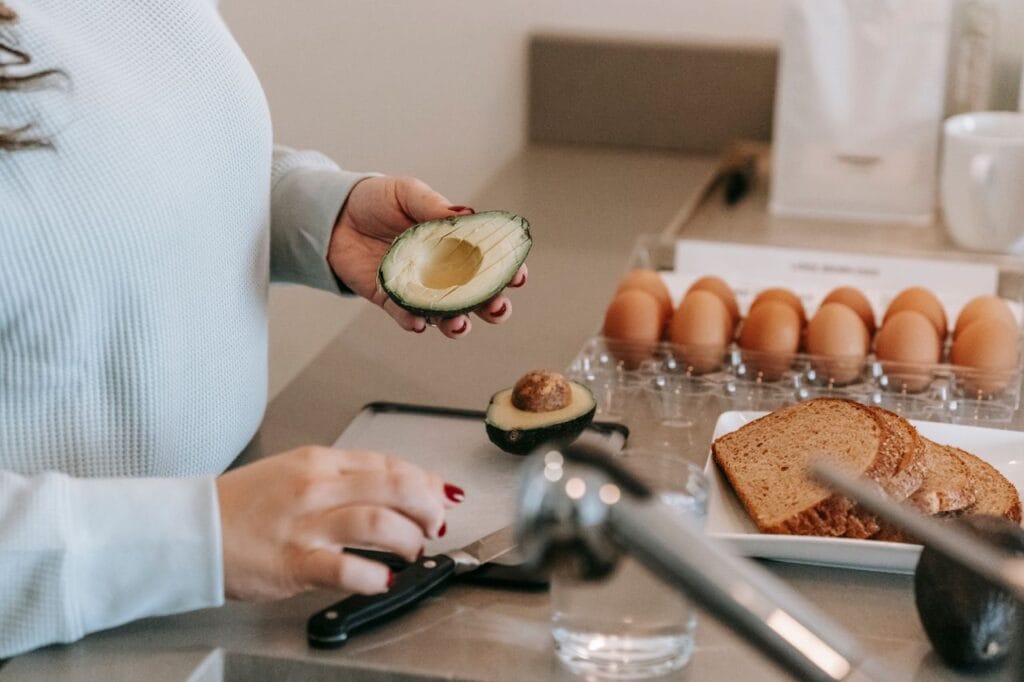
- Add Avocado to Savory Meals: Slice half an avocado over your morning eggs, blend it into a green smoothie, or use it as a creamy spread on whole-grain toast instead of processed margarine or butter.
Related Articles
- Doctors Are Whispering About These 4 Cancer-Fighting Foods—And You Probably Have Them in Your Kitchen Right Now
- Hara Hachi Bu: The Unspoken Rule Behind the World’s Longest-Living People
- Stop Guessing: This Is Exactly How Much Protein You Need to Lose Weight
- 10 Metabolism Hacks a Doctor Swears By—#3 Will Have You Dropping Pounds Without Even Trying
- The One Snack That Keeps Your Blood Sugar in Check—And Tastes Amazing Too