FREE SHIPPING OVER $50
Forget Cardio—These 5 Longevity-Boosting Strength Exercises Are the Real Fountain of Youth After 50 (Add 10 Years, Feel 20)

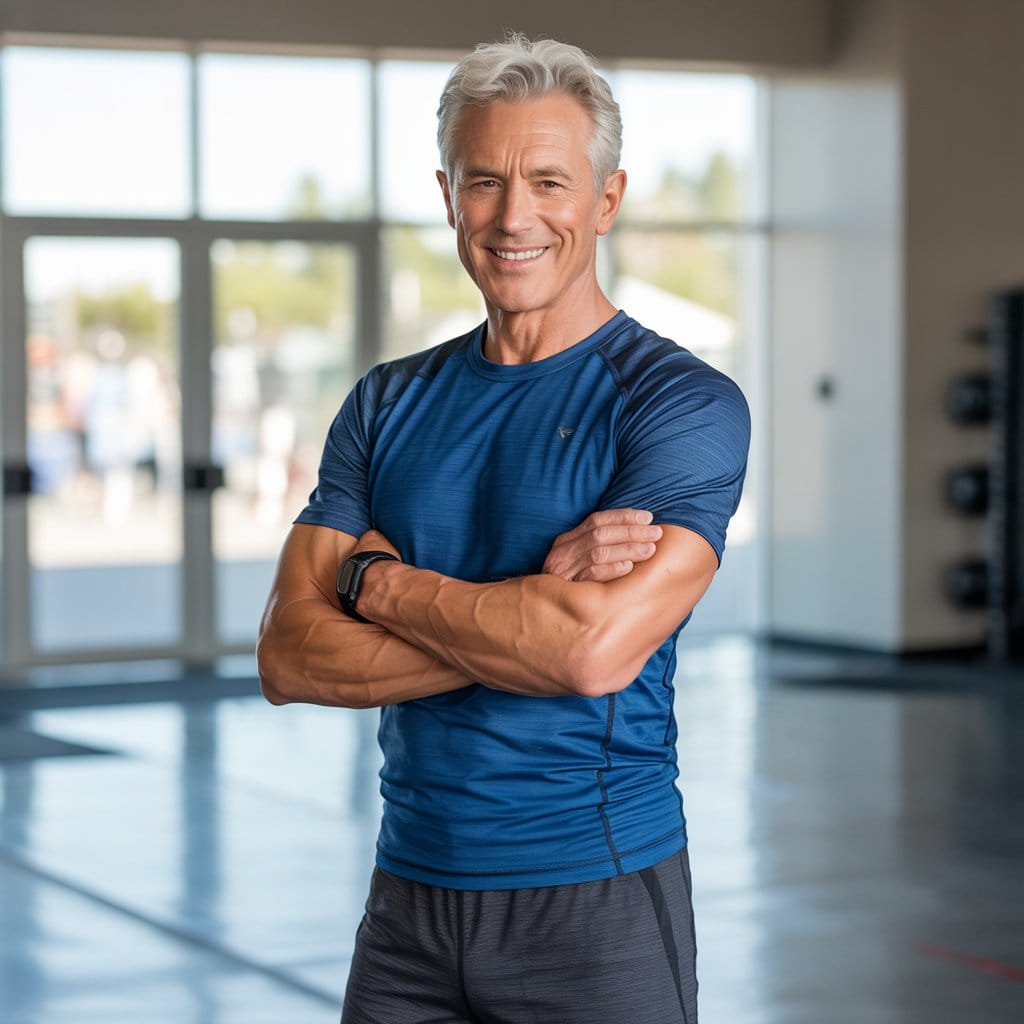
If you have spent decades believing that long sessions on the treadmill are the ultimate secret to staying young, modern longevity research has a surprising message for you: pure cardio is simply not enough after age 50. Starting in your 30s, your body naturally begins losing three to eight percent of its muscle mass per decade in a process known as sarcopenia, which speeds up dramatically once you pass 50. While jogging or cycling supports your heart, it does almost nothing to stop bone loss, preserve joint stability, or protect you against physical frailty. To truly reverse the metabolic clock, preserve your independence, and feel twenty years younger, you must swap hours of endless cardio for targeted strength exercises that rebuild functional muscle and keep your body unbreakable.
Why Muscle Is Your Ultimate Longevity Armor
Many adults view strength training as a superficial pursuit reserved for bodybuilders, but top longevity researchers now consider lean muscle mass a primary organ of longevity. Muscle acts as a metabolic reservoir, absorbing excess blood sugar, regulating insulin sensitivity, and releasing signaling proteins called myokines that reduce systemic inflammation throughout your entire body.
When you lose muscle mass, your metabolic rate drops, your bones become brittle, and your risk of accidental falls skyrockets. In fact, clinical studies consistently show that grip strength and leg power predict overall lifespan far more accurately than total cardio output.
To understand why shifting your focus from cardio to resistance training transforms how your body ages, consider this direct comparison:
| Health Marker | Pure Cardio Strategy | Progressive Strength Training |
| Muscle Mass Retention | Minimal (Can accelerate muscle loss) | High (Stimulates new muscle tissue) |
| Bone Density Building | Low to Moderate (Impact dependent) | Highest (Direct mechanical loading) |
| Joint Integrity & Support | Moderate (Repeated wear and tear) | High (Strengthens connective tendons) |
| Resting Metabolic Rate | Temporary post-workout boost | Permanent increase via lean tissue |
| Fall & Injury Prevention | Low | Maximum (Builds balance & core power) |
The 5 Longevity-Boosting Strength Exercises
You do not need to spend hours lifting massive weights to get life-changing results. Focusing on five foundational, compound movements builds real-world strength, protects your joints, and keeps your body moving effortlessly.
1. The Goblet Squat (Functional Leg Power & Knee Health)
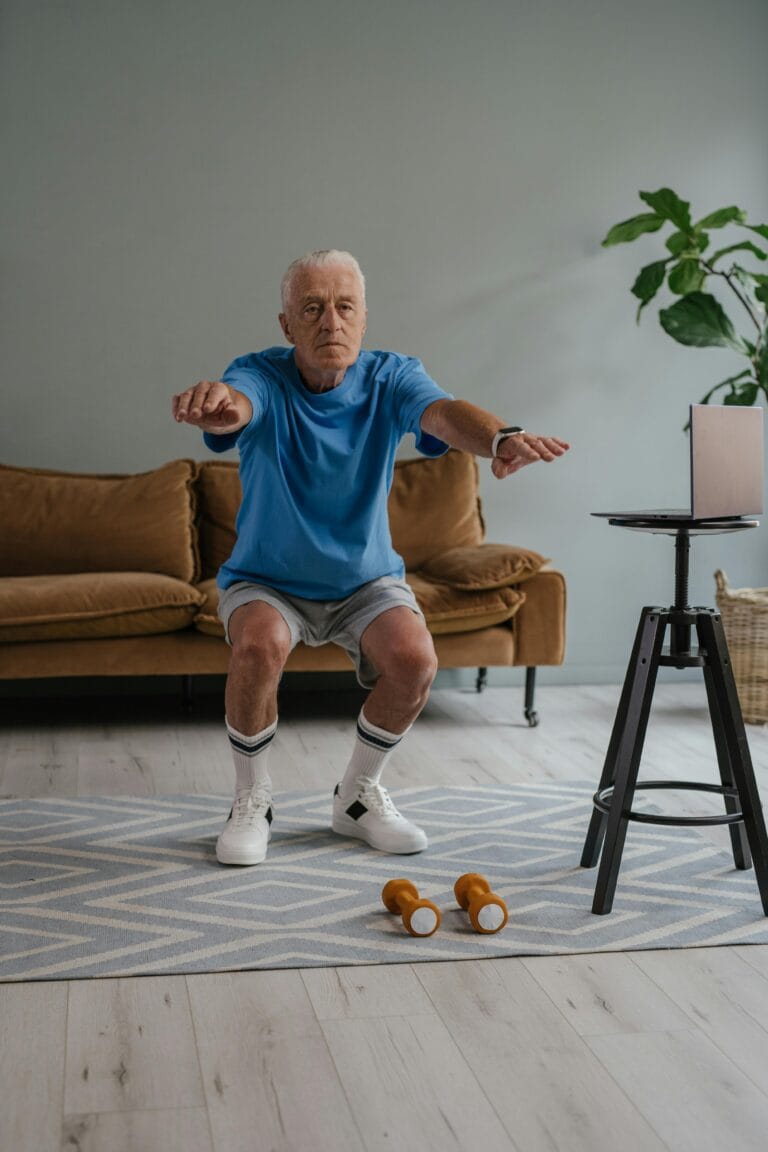
Squatting is the most fundamental human movement. Whether getting up from a low couch or sitting down in a car, you rely on your quadriceps, glutes, and core every single day. The goblet squat holds a weight in front of your chest, which naturally forces your torso upright and protects your lower back.
- Why It Promotes Longevity: It builds deep knee stability, increases ankle mobility, and maintains the leg power required to climb stairs without joint pain.
- How to Do It: Stand with your feet slightly wider than shoulder-width apart, holding a light dumbbell or kettlebell close to your chest. Push your hips back, bend your knees, and lower yourself as if sitting into an invisible chair. Keep your chest up and press through your heels to return to standing.
2. The Romanian Deadlift (Hips, Glutes, and Lower Back Armor)
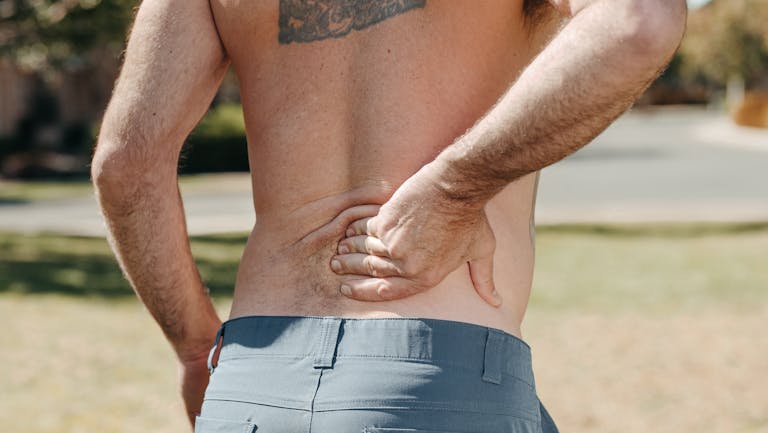
As people age, they tend to spend more time sitting, causing their glute muscles to weaken and their lower back muscles to overcompensate. The Romanian Deadlift (RDL) trains the posterior chain—the entire backside of your body—which serves as your structural foundation.
- Why It Promotes Longevity: Strengthening your glutes and hamstrings eliminates lower back stiffness, stabilizes your spine, and makes lifting objects off the floor completely painless.
- How to Do It: Stand tall holding two dumbbells in front of your thighs. Keep a soft bend in your knees, push your hips backward, and lower the weights along your shins while maintaining a flat back. Once you feel a deep stretch in your hamstrings, squeeze your glutes and push your hips forward to stand tall.
3. The Farmer’s Carry (Grip Strength & Total Body Stability)
If you only have five minutes to exercise, pick the farmer’s carry. This move involves picking up two heavy objects and walking with perfect posture. It challenges your grip, core, shoulders, and cardiovascular system simultaneously.
- Why It Promotes Longevity: Grip strength directly correlates with lower mortality rates in aging adults. Carrying heavy loads strengthens your wrists, stabilizes your spinal column, and builds core endurance.
- How to Do It: Pick up a pair of moderate-to-heavy dumbbells from the floor with a flat back. Stand tall, pull your shoulders down and back, and walk forward with deliberate steps for 30 to 60 seconds. Keep your body upright without leaning to either side.
4. The Incline Push-Up (Upper Body Push & Bone Preservation)
Maintaining upper body strength ensures you can push yourself up off the floor safely. Standard floor push-ups can sometimes strain older wrists or shoulders, making the elevated incline push-up a far better alternative.
- Why It Promotes Longevity: It stimulates bone density in your wrists, arms, and collarbones while building functional chest and tricep strength without joint inflammation.
- How to Do It: Place your hands on a sturdy kitchen counter, bench, or elevated bar slightly wider than shoulder-width apart. Step your feet back until your body forms a straight plank from head to heels. Lower your chest slowly toward the surface, then press firmly through your palms to return to the starting position.
5. The Standing Cable or Dumbbell Row (Postural Muscle & Shoulder Preservation)
Decades of driving, sitting at desks, and looking at smartphones cause your shoulders to round forward, compressing your lungs and straining your neck. The standing row targets the upper back muscles responsible for pulling your shoulders into ideal alignment.
- Why It Promotes Longevity: Reversing the age-related forward posture opens up your chest cavity, improves breathing efficiency, and protects your rotator cuffs from painful shoulder impingement.
- How to Do It: Attach a resistance band to a secure door anchor or hold two light dumbbells. Stand tall with your knees slightly bent. Pull the handles back toward your ribcage, squeezing your shoulder blades together tightly at the end of the movement. Release the tension slowly and repeat.
How to Program These Moves into Your Weekly Routine
You do not need to live in the gym to reap the anti-aging benefits of strength training. Consistency always beats intensity when you are building long-term fitness over 50.
Structure your week using this simple 3-day full-body template:
- Monday: Perform 3 sets of 8 to 10 repetitions for all 5 exercises, taking 60 to 90 seconds of rest between sets.
- Tuesday: Take an active recovery day with a casual 30-minute outdoor walk or light stretching.
- Wednesday: Repeat the 5-exercise strength routine with moderate weights.
- Thursday: Take an active recovery day or enjoy a light activity like swimming or gardening.
- Friday: Perform your final strength session of the week, focusing on slow, controlled movements.
- Weekend: Rest, recover, and spend time outdoors with family or friends.
3 Vital Rules for Safer Lifting Over 50
To maximize longevity while preventing workout injuries, keep these three rules at the front of your mind:
- Prioritize Range of Motion Over Weight: Never lift heavier weights at the expense of bad form. Moving through a pain-free, complete range of motion builds healthier joints than lifting heavy weights through tiny quarter-reps.
- Control the Lowering Phase: Spend two to three seconds lowering the weight on every rep. The lowering phase creates high muscle tension with less joint stress, triggering maximum muscle retention.
- Never Skip Warm-Ups: Spend five minutes doing dynamic movements like arm circles, hip hinges, and bodyweight squats before touching a weight to prepare your joints and connective tissue.