FREE SHIPPING OVER $50

The Red, Yellow, and Green Pepper Ranking You Need to See—One Color Has 3x the Vitamin C of an Orange

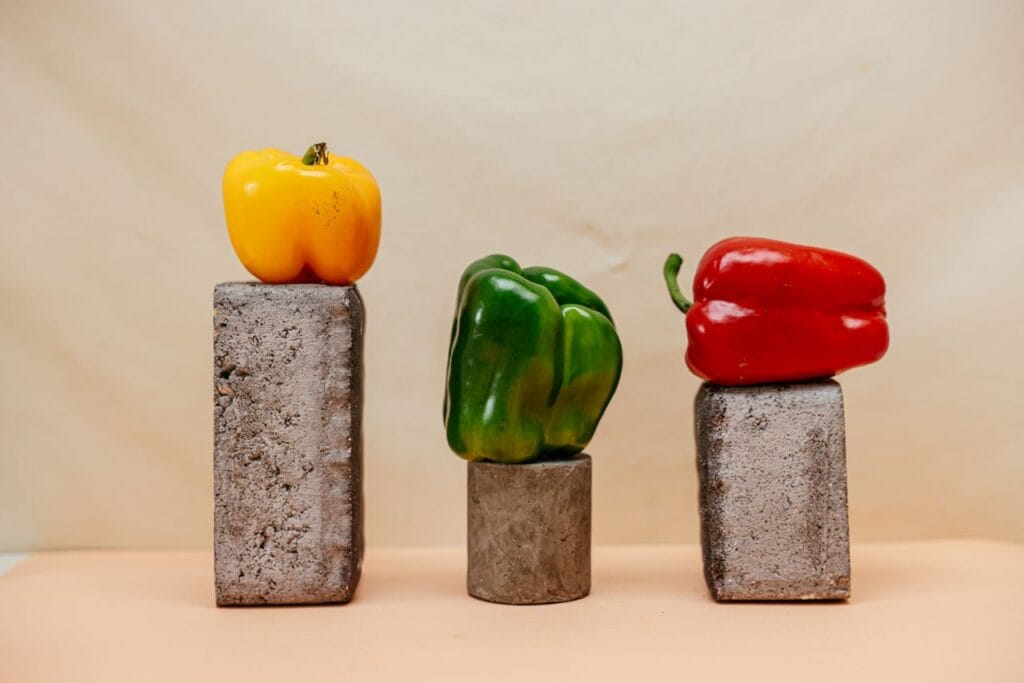
Walking down the produce aisle, you might assume red, yellow, and green bell peppers are completely different vegetable varieties. Surprisingly, green peppers are simply unripe red or yellow peppers harvested early in the growing cycle.
Because green peppers leave the vine prematurely, they retain a slightly bitter, grassy flavor profile. Furthermore, their early harvest means they miss out on crucial weeks of sunlight absorption and soil nutrient synthesis.
As a pepper stays attached to the vine, it matures through a natural spectrum of colors. Chlorophyll breaks down, natural sugars accumulate, and nutrient concentrations skyrocket. Consequently, the longer a pepper ripens, the more dense its vitamins and antioxidants become.
The Official Bell Pepper Nutritional Ranking
Understanding the maturity process makes ranking these colorful crunchers straightforward. Here is how they stack up from lowest to highest in overall nutritional payoff.
Rank #3: Green Bell Peppers (The Unripe Baseline)
Green peppers are widely popular because they carry a longer shelf life and a lower price tag. While they offer solid nutritional value, their early harvest keeps them at the bottom of our ranking.
- Taste Profile: Tangy, crisp, and slightly bitter.
- Vitamin C Content: Approximately 95 milligrams per medium pepper (still exceeding your daily minimum requirements).
- Key Antioxidants: Lutein and beta-carotene in moderate amounts.
- Best Use: Sautéed into savory fajitas, stir-fries, or diced into slow-cooked stews where their bitterness complements rich flavors.
Rank #2: Yellow and Orange Bell Peppers (The Vitamin C Powerhouse)
Yellow and orange peppers represent the sweet middle stage of ripening. They lose the bitter edge of green peppers and develop a refreshing, juicy crunch.
- Taste Profile: Mildly sweet, citrusy, and refreshing.
- Vitamin C Content: A single large yellow bell pepper packs up to 340 milligrams of Vitamin C. That is roughly 3.5 times the Vitamin C found in a medium orange, which delivers around 70 milligrams.
- Key Antioxidants: High levels of violaxanthin, folate, and potassium.
- Best Use: Sliced raw for dipping in hummus, tossed into fresh summer salads, or layered on sandwiches.
Rank #1: Red Bell Peppers (The Ultimate Antioxidant Champion)
Red peppers sit at the absolute pinnacle of the produce department. Having spent the maximum amount of time ripening on the vine, they offer unmatched density across nearly every major vitamin category.
- Taste Profile: Rich, deeply sweet, and fruity.
- Vitamin C Content: Provides roughly 190 to 200 milligrams of Vitamin C per pepper, easily delivering nearly 3 times the Vitamin C of an orange.
- Key Antioxidants: Loaded with capsanthin, lycopene, and beta-carotene. Red peppers contain 11 times more beta-carotene than green bell peppers.
- Best Use: Roasted whole over an open flame, blended into creamy soups, or eaten raw as an everyday snack.
Head-to-Head Nutritional Comparison
Comparing these peppers side-by-side highlights how dramatically nutrition shifts as the fruit ripens. Notice how the Vitamin C and Vitamin A values spike as the pepper transitions from green to red.
| Nutritional Marker (per 100g serving) | Green Bell Pepper | Yellow Bell Pepper | Red Bell Pepper | Medium Fresh Orange |
| Calories | 20 kcal | 27 kcal | 26 kcal | 47 kcal |
| Vitamin C | 80 mg | 184 mg | 128 mg | 53 mg |
| Vitamin A (Beta-Carotene) | 370 IU | 200 IU | 3,130 IU | 225 IU |
| Vitamin B6 | 0.2 mg | 0.2 mg | 0.3 mg | 0.06 mg |
| Folate (Vitamin B9) | 10 mcg | 26 mcg | 46 mcg | 30 mcg |
| Flavor Profile | Grassy & Tangy | Sweet & Citrusy | Rich & Sweet | Juicy & Acidic |
4 Major Health Benefits of Eating Ripe Peppers
Beyond beating oranges in Vitamin C content, adding sweet yellow and red bell peppers to your routine unlocks several key health benefits.
1. Drives Natural Collagen Synthesis
Vitamin C serves as the essential building block for collagen production throughout your body. Collagen maintains skin elasticity, strengthens hair and nails, and repairs cartilage in your joints. Consuming a single serving of red or yellow pepper supplies your cells with all the raw materials needed to keep connective tissues strong.
2. Maximizes Iron Absorption
If you eat a plant-forward diet containing spinach, lentils, or beans, your body relies on non-heme iron. Non-heme iron can be tricky for your digestive tract to absorb effectively. Pairing iron-rich plant foods with the massive dose of natural Vitamin C found in yellow peppers dramatically improves iron uptake, helping prevent fatigue and anemia.
3. Protects Eyesight Against Blue Light
Red and yellow peppers contain high concentrations of lutein and zeaxanthin, two powerful carotenoids that accumulate in your retina. These compounds filter harmful blue light emitted from digital screens and protect against age-related macular degeneration.
4. Lowers Systemic Inflammation
Red bell peppers owe their deep crimson color to capsanthin, a unique antioxidant rarely found in other vegetables. Capsanthin neutralizes free radicals, protects cardiovascular tissue, and helps lower systemic markers of chronic inflammation.
Raw vs. Cooked: How to Keep the Nutrients Intact
How you prepare your bell peppers directly influences how many vitamins your body absorbs. Because Vitamin C is water-soluble and sensitive to high heat, boiling or over-roasting peppers can cause a portion of their Vitamin C content to leach out.
- For Maximum Vitamin C: Eat yellow and red peppers raw. Slice them into strips for dipping, chop them into freshly prepared salsas, or toss them into salads right before serving.
- For Maximum Antioxidant Absorption: Lightly sauté or roast red peppers using a splash of extra virgin olive oil or avocado oil. The fat-soluble carotenoids, like beta-carotene and lycopene, become significantly easier for your body to absorb when combined with healthy dietary fats.
4 Effortless Ways to Eat More Peppers Every Week
- Build a Raw Veggie Tray: Keep sliced red and yellow pepper strips in an airtight container with a damp paper towel so you always have a crunchy, low-calorie snack ready in the fridge.
- Upgrade Your Morning Omelet: Sauté chopped red bell peppers with spinach and eggs to start your morning with a massive blast of antioxidants.
- Make Stuffed Pepper Bowls: Roast whole bell peppers stuffed with seasoned lean turkey, black beans, quinoa, and fresh salsa for a quick weeknight dinner.
- Blend Into Homemade Sauces: Puree roasted red peppers with garlic, olive oil, and herbs to create a creamy, nutrient-dense sauce for grilled chicken or pasta.
Related Articles
- Stop Eating Carb-Heavy Snacks: 10 High-Protein Alternatives That Won’t Spike Your Blood Sugar, Says a Dietitian
- Stop Saying Fruit Has No Protein—These 10 Pack Enough to Keep You Full and Lean, Says a Nutritionist
- The Common Breakfast Mistake That’s Stopping You From Losing Weight
- I Lost Over 20 Pounds With This Simple High-Protein Recipe—Here’s How You Can Too
- The #1 High Protein Ingredient You Should Be Adding to Your Breakfasts, According to a Dietitian