FREE SHIPPING OVER $50

The #1 Predictor of Longevity Isn’t Your Heart or Brain—It’s This Body Part You’re Ignoring, According to a Doctor

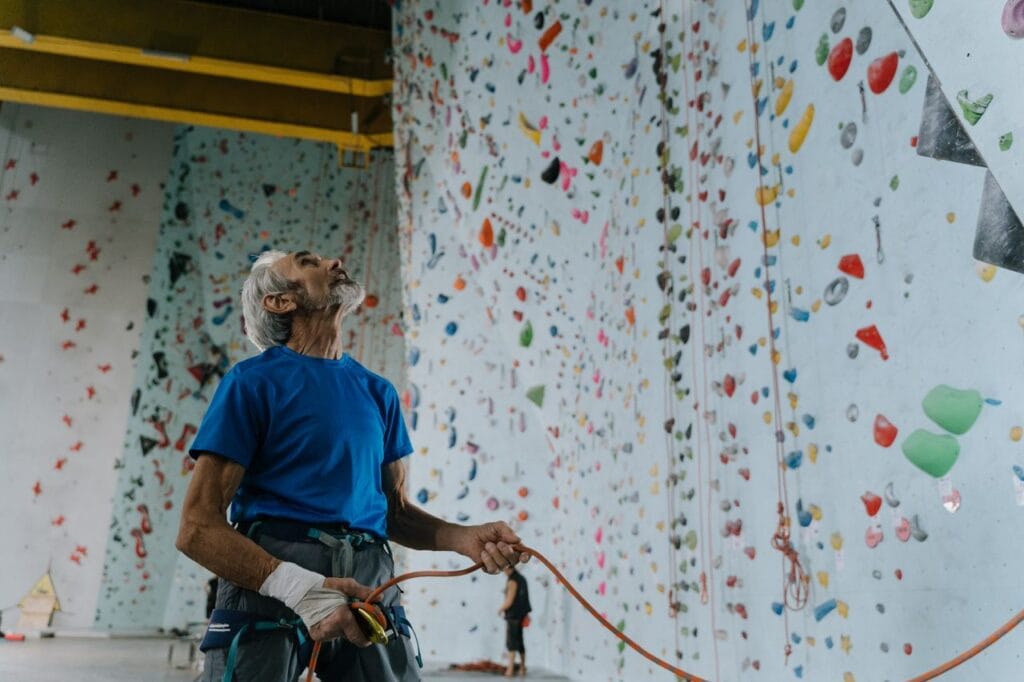
When you think about living a long, healthy life, you probably imagine protecting your heart, keeping your brain sharp, or keeping your blood pressure in check. But longevity researchers and preventative cardiologists are increasingly focusing on a completely different part of your body that you likely ignore every single day: your hands and forearms, specifically your grip strength.
Why Your Hands Hold the Secret to Your Lifespan
It might sound absurd that the strength of your fingers and forearms can reveal how long you will live. After all, most people view hand strength as nothing more than a handy tool for opening stubborn pickle jars or carrying heavy grocery bags. However, medical experts view your grip as a direct window into your overall cellular health, biological age, and muscular integrity.
When a physician measures your grip strength, they are not just testing the small muscles in your hands. Instead, they are measuring the total health of your nervous system, your cardiovascular function, and your body’s total muscle mass. Because muscle mass naturally declines as you age, losing hand strength serves as an early warning sign that your entire body is aging faster than it should.
What the Science Says About Grip Strength and Mortality
The connection between grip strength and longevity is not just a popular fitness trend; it is backed by decades of massive scientific studies. Researchers have consistently found that hand strength correlates directly with your risk of developing chronic diseases, suffering from heart attacks, or experiencing cognitive decline.
One landmark study tracked over 140,000 adults across 17 countries for several years. The researchers discovered that every 11-pound drop in grip strength was associated with a 16 percent higher risk of death from any cause. Furthermore, that same drop in strength linked directly to a 17 percent higher risk of dying from heart disease and a 9 percent higher risk of stroke.
In fact, the study concluded that grip strength was actually a stronger predictor of overall mortality than systolic blood pressure. While doctors routinely check your blood pressure at every visit, your hand strength often gives a far more accurate picture of your overall physical resilience.
The Biological Chain Reaction of Muscle Loss
To understand why weak hands signal a shorter lifespan, you have to look at how your body handles muscle tissue over time. Starting around age thirty, adults naturally begin losing between 3 and 8 percent of their muscle mass per decade, a process known medically as sarcopenia.
As sarcopenia accelerates, several dangerous physiological changes occur simultaneously throughout your system:
- Insulin Resistance Increases: Skeletal muscle serves as the primary resting site for excess blood glucose. When you lose muscle mass, your body struggles to manage blood sugar, increasing your risk of Type 2 diabetes.
- Systemic Inflammation Rises: Healthy muscle tissue secretes anti-inflammatory proteins called myokines. Losing muscle mass allows low-grade, chronic inflammation to spread unchecked through your bloodstream.
- Neurological Signaling Slows: Strong gripping requires rapid communication between your brain, peripheral nerves, and muscle fibers. A weak grip often signals subtle neurological decline before other symptoms appear.
Because your hands contain intricate muscular networks that rely on precise nervous system control, they are often the very first area to reflect systemic muscle loss and nerve deterioration.
The Secondary Longevity Powerhouse: Your Lower Body
While your hands act as the primary predictive indicator for overall mortality, longevity experts emphasize that your legs work right alongside them. If your hand strength tells doctors how well your body is preserving muscle, your lower body strength—specifically your quadriceps and glutes—determines whether you will maintain your physical independence as you get older.
Leg strength dictates your ability to stand up from a deep chair, climb stairs without assistance, and recover your balance if you slip. Falls represent the leading cause of injury-related death among older adults, and strong leg muscles are your primary defense against a devastating hip fracture or fall.
Researchers frequently use a simple mobility assessment called the Sitting-Rising Test (SRT) to evaluate longevity. This test requires you to sit down on the floor from a standing position and then stand back up using as little hand or knee support as possible. Individuals who score low on the SRT due to weak legs or poor core stability face a significantly higher mortality risk over the following decade compared to those who can rise effortlessly.
Functional Longevity Markers vs. Traditional Health Metrics
To see how functional physical metrics stack up against traditional doctor visits, consider how different body markers predict long-term wellness:
| Longevity Metric | What It Measures | Predictive Power for Lifespan | Ease of Daily Testing |
| Grip Strength | Total muscle mass, nerve health, cellular vigor | Extremely High (Outperforms blood pressure) | Easy (Requires a hand dynamometer) |
| Leg Power & Balance | Lower body strength, fall prevention, independence | Very High (Predicts 10-year mobility) | Very Easy (Bodyweight chair stands) |
| Systolic Blood Pressure | Arterial stiffness and cardiovascular strain | Moderate to High | Requires specialized cuff |
| Total Cholesterol | Circulating blood lipids and metabolic profile | Moderate | Requires clinical blood work |
| Resting Heart Rate | Autonomic nervous system balance and heart fitness | Moderate | Easy (Wearable tech or manual pulse) |
5 Simple Exercises to Build a Stronger Grip Today
Fortunately, you do not need expensive equipment or hours in the gym to rebuild your hand and forearm strength. Adding a few targeted movements into your weekly routine can dramatically improve your grip and stimulate muscle growth across your upper body.
- The Dead Hang: Grab an overhead pull-up bar with an overhand grip, let your feet leave the floor, and hang for as long as possible. Aim for three sets of 30 to 60 seconds. This simple move strengthens your fingers, wrists, shoulders, and spine all at once.
- Farmer’s Carries: Pick up two heavy dumbbells or kettlebells, stand up straight with your shoulders pulled back, and walk for distance or time. Carrying heavy weights forces your hand flexors and core muscles to work continuously.
- Plate Pinches: Take two smooth weight plates, press them together smooth-side-out, and hold them using only your thumb and fingers. Hold for 30 seconds to target pinch strength rather than crushing strength.
- Towel Wringing: Soak a thick hand towel in water and wring it out completely using alternating wrist rotations. The twisting motion strengthens the small stabilizing muscles in your forearms and wrists.
- Rubber Band Finger Extensions: Wrap a thick rubber band around the outside of your fingers and thumb, then open your hand against the resistance. This balances your hand mechanics by strengthening your finger extensors.
3 Daily Habits to Protect Your Muscle Mass as You Age
Building grip strength works best when you support your body with proper lifestyle habits. Without the right metabolic environment, your muscles cannot repair or maintain their density over time.
- Eat Sufficient Daily Protein: Aim to consume between 0.7 and 1.0 grams of protein per pound of target body weight each day. Distribute your protein intake evenly across your meals to maximize muscle protein synthesis.
- Lift Weights Consistently: Engage in progressive resistance training at least two to three times per week. Focus on compound movements like squats, deadlifts, chest presses, and rows that engage multiple large muscle groups.
- Prioritize Restorative Sleep: Your body releases the majority of its natural human growth hormone (HGH) during deep sleep cycles. Sleeping 7 to 8 hours per night allows your muscle tissue to repair and adapt to exercise stress.
Related Articles
- Forget “Act Your Age”: The Over‑50 Strength and Mobility Routine That Finally Made Me Feel Unbreakable
- The Shocking Truth About Supplements and Health Over 60
- Keep Your Body Young Forever with These Daily Stretches, Say Fitness Trainers
- Reverse Aging: 15 Proven Ways to Turn Back the Clock by 12 Years for Those Over 50!
- 5 Supplements That Won’t Help You Live Longer (Sorry, But You’re Wasting Your Money)