FREE SHIPPING OVER $50

Creatine Isn’t Just for Muscles—Studies Show It May Improve Strength and Ease Osteoarthritis Pain

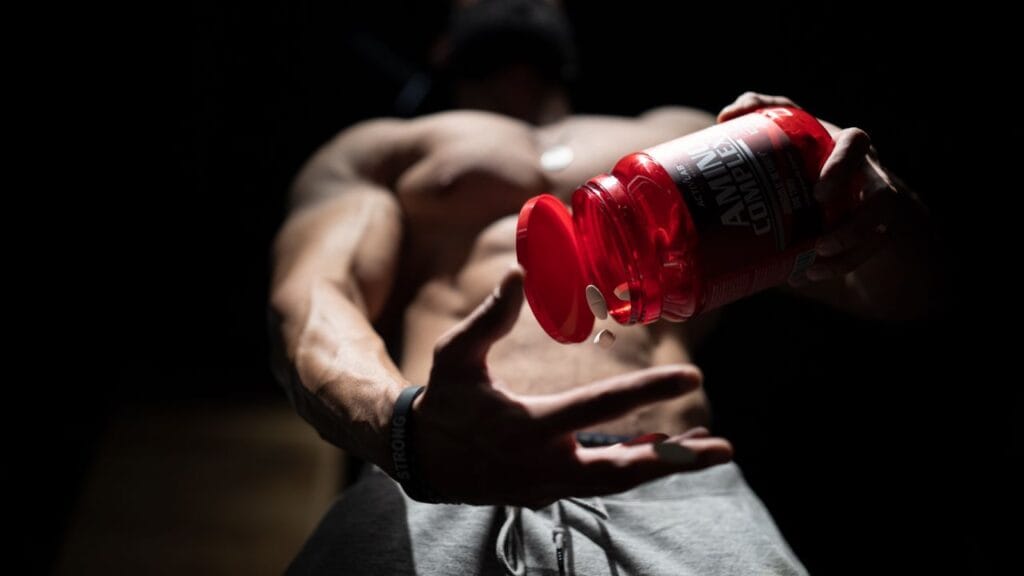
If you picture a tub of creatine, you probably imagine a gym locker room filled with weightlifters trying to build massive biceps, but modern fitness science is proving that this famous supplement does far more than help you lift heavy weights. While fitness enthusiasts have relied on creatine for decades to boost power output and speed up recovery, groundbreaking clinical studies reveal that creatine plays a vital role in protecting joint cartilage, building the muscle armor surrounding aching knees, and directly easing chronic osteoarthritis pain. Whether you are an active runner battling stiff knees or simply trying to stay mobile as you age, adding creatine to your routine might be one of the most effective strategies for long-term joint comfort.
What Creatine Is and Why Fitness Enthusiasts Love It
Creatine is a naturally occurring organic compound that your body creates using amino acids like glycine, arginine, and methionine. Your liver, kidneys, and pancreas produce a steady supply every day, and you also absorb it whenever you eat red meat, poultry, or fish.
Inside your body, about ninety-five percent of your total creatine supply gets stored directly in your skeletal muscle tissue in the form of phosphocreatine. Phosphocreatine acts like a high-speed battery charger for your cells. It constantly replenishes adenosine triphosphate (ATP), which serves as the ultimate energy currency for every single cell in your body.
When you perform short bursts of intense activity—like climbing a steep flight of stairs, lifting a heavy grocery bag, or sprinting across the street—your cells burn through ATP rapidly. Creatine steps in to immediately regenerate that lost energy, allowing your muscles to contract harder, resist fatigue, and recover faster. However, fitness researchers have discovered that muscle tissue is not the only place in your body that relies on this cellular energy pathway.
The Hidden Joint Crisis: Understanding Osteoarthritis
Osteoarthritis is the most widespread joint condition in the world, affecting millions of active adults. It occurs when the slick, rubbery cartilage that caps the ends of your bones gradually degrades over time.
Without sufficient cartilage to cushion your joints, bones begin to grind directly against each other. This friction leads to localized inflammation, persistent aching, morning stiffness, and a noticeable loss of mobility.
Many people assume that joint pain means they should avoid moving altogether, but physical inactivity actually makes osteoarthritis significantly worse. When you stop moving, the muscles surrounding your joints begin to shrink and weaken.
- Loss of Natural Shock Absorption: Strong quadriceps and hamstring muscles absorb the mechanical impact of every step you take. When those muscles weaken, all that force slams directly into your damaged knee joints.
- Reduced Joint Fluid Circulation: Movement pumps synovial fluid throughout your joint capsule, delivering essential oxygen and nutrients to starving cartilage cells.
- Increased Joint Instability: Weak supporting tendons and ligaments allow joints to shift out of alignment, accelerating wear and tear on remaining cartilage tissue.
How Creatine Fights Osteoarthritis on Two Fronts
What makes creatine stand out in the world of fitness and joint health is its unique double-action approach. While standard painkillers simply dull pain signals in your brain, creatine actively improves the physical structures that support and protect your joints.
1. Rebuilding the Muscular Shield Around Damaged Joints
Your joints cannot stay healthy if the muscles around them are weak. When knee or hip osteoarthritis strikes, people naturally start favoring the painful leg, which leads to rapid muscle loss.
Creatine helps you break out of that frustrating cycle. By increasing your muscle cells’ phosphocreatine stores, creatine allows you to perform low-impact strength exercises with significantly less fatigue. Over time, building stronger quadriceps, hamstrings, and glutes creates a powerful muscular shield that absorbs mechanical shock before it ever hits your delicate joint cartilage.
2. Energizing Cartilage Cells (Chondrocytes)
Cartilage is living tissue made up of specialized cells called chondrocytes. These cells are responsible for building, repairing, and maintaining the collagen matrix that keeps your joints smooth and cushioned.
Chondrocytes require massive amounts of cellular ATP energy to repair cartilage damage and fight off local inflammatory enzymes. Scientists discovered that chondrocytes contain high concentrations of creatine kinase, the exact enzyme needed to turn creatine into usable cellular fuel. By supplying chondrocytes with plenty of creatine, you give your cartilage cells the biological energy required to stay healthy and resist premature cellular breakdown.
“Creatine does not just build bigger biceps; it recharges the cellular batteries inside your cartilage while building the muscular armor your joints desperately need.”
What the Clinical Research Reveals
The idea that creatine eases joint pain is backed by solid clinical evidence. Researchers investigating knee osteoarthritis conducted randomized trials where participants took either creatine monohydrate or a placebo while following a light resistance training program over several weeks.
The results consistently highlight major improvements in physical health:
- Substantial Pain Relief: Patients taking daily creatine reported significantly lower pain scores during daily tasks like walking, squatting, and bending.
- Improved Walking Speed and Stiffness: Participants experienced far less morning joint stiffness and walked faster with a smoother, more confident stride.
- Rebuilt Muscle Mass: Creatine helped participants regain vital leg muscle mass that had deteriorated over years of chronic joint pain.
- Enhanced Functional Independence: Tasks like standing up from a deep chair or climbing stairs became noticeably easier for patients in the creatine group.
Creatine vs. Traditional Joint Supplements
The supplement market is packed with products promising joint relief, but very few offer the versatile physical benefits of creatine monohydrate.
| Supplement Option | Primary Biological Role | Builds Supporting Muscle | Recharges Cellular Energy (ATP) | Typical Time to Notice Benefits |
| Creatine Monohydrate | Fuels cellular ATP & boosts muscle strength | High | High | 2 to 4 weeks |
| Collagen Peptides | Provides structural protein building blocks | None | None | 8 to 12 weeks |
| Glucosamine & Chondroitin | Supports cartilage hydration and matrix | None | None | 8 to 16 weeks |
| Turmeric / Curcumin | Reduces inflammatory signal molecules | None | None | 2 to 6 weeks |
How to Add Creatine to Your Fitness Routine
If you want to use creatine to protect your joints and build functional strength, getting started is straightforward and affordable.
Pick the Right Form
Always choose Creatine Monohydrate. It is the most thoroughly tested, widely available, and budget-friendly form of creatine on the market. Micronized versions dissolve effortlessly in cold water or smoothie blends without leaving a gritty texture behind.
Keep the Dosing Simple
You do not need to bother with aggressive loading protocols that involve taking massive doses. Simply take 3 to 5 grams of creatine monohydrate once a day, every day. Consistent daily intake will fully saturate your muscle and cartilage tissue within three to four weeks.
Stay Properly Hydrated
Creatine works by pulling water into your muscle and cartilage cells to drive energy production. Drink plenty of fresh water throughout the day to support optimal cell hydration and prevent mild digestive upset.
Pair Creatine with Low-Impact Movement
Creatine delivers its best results when combined with gentle physical activity. You do not need to lift ultra-heavy weights at the gym to see improvements. Try pairing your daily dose with low-impact joint workouts like:
- Swimming or water aerobics
- Stationary cycling with low resistance
- Leg extensions and seated leg curls
- Bodyweight wall sits and gentle step-ups
Related Articles
- My Back Pain Was So Bad I Couldn’t Tie My Shoes—Then I Tried These 5 Yoga Poses and Stopped Taking Ibuprofen
- Discover 10 Secret Joint-Friendly Exercises for a Pain-Free Life Over 50
- 4 Exercises That Ended My Knee Pain During Squats
- 5 Unique Exercises You Haven’t Tried Yet to Build Strong, Muscular Arms
- Achieve Chiseled Abs Fast: Why Hanging Core Exercises Are Essential