FREE SHIPPING OVER $50

The Hunger Trap: 15 Everyday Foods That Shut Down Your “I’m Full” Signal and Make Overeating Almost Automatic

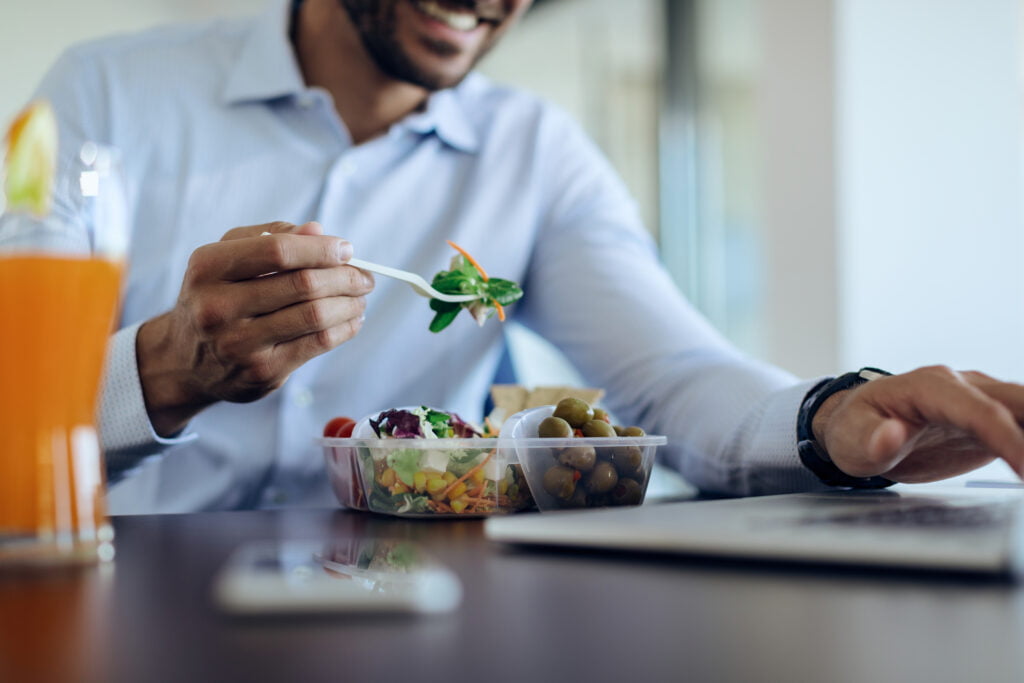
If you have ever finished a massive meal only to find yourself rummaging through the kitchen cabinets twenty minutes later, you are not dealing with a lack of willpower; you are trapped in a biological appetite loop driven by ultra-processed foods.
The Science of Satiety: How Your Brain Knows When You Are Full
Your body relies on a sophisticated internal chemical network to tell your brain when to stop eating. Under normal conditions, your digestive tract releases hormones like peptide YY (PYY) and glucagon-like peptide-1 (GLP-1) when food arrives in your stomach, while your fat cells produce leptin to signal long-term energy abundance. Meanwhile, your stomach suppresses ghrelin, the primary hormone responsible for triggering hunger pangs.
However, modern food manufacturing frequently bypasses these biological brakes. By combining high concentrations of refined carbohydrates, industrial seed oils, and sodium, processors create hyper-palatable foods that achieve what food scientists call the “bliss point.” Consequently, these foods shut down your natural fullness cues, leaving your brain convinced that you are still starving.
The 15 Everyday Foods That Block Your Fullness Signal
1. White Bread and Refined Pastries
Refined white flour has had its fiber-rich outer bran and nutrient-dense germ stripped away during processing. As a result, your body digests white bread almost instantly, causing a rapid spike in blood glucose followed by a dramatic insulin surge. This rapid crash in blood sugar leaves your brain demanding quick energy, which triggers intense sugar cravings shortly after you eat.
2. Diet Sodas and Artificial Sweeteners
Although diet sodas contain zero actual calories, artificial sweeteners trick your brain’s gustatory cortex into expecting a incoming rush of carbohydrates. Because no physical calories arrive to match the sweet taste, your brain remains unfulfilled. Consequently, your body responds by ramping up ghrelin production, making you feel hungrier later in the day.
3. Potato Chips
Potato chips represent the classic hyper-palatable snack. Their combination of high sodium and refined fats stimulates dopamine release in your reward centers without triggering gastric stretch receptors. Furthermore, because chips melt quickly in your mouth, your brain registers very few calories consumed per bite, allowing you to finish an entire bag without feeling full.
4. Commercial Fruit Juices
Whole fruit contains natural fiber that slows down the absorption of fructose in your liver. In contrast, fruit juice delivers concentrated liquid fructose with zero structural fiber. Because liquid fructose does not stimulate insulin or leptin secretion in the same way glucose does, your brain fails to recognize the hundreds of calories you just swallowed.
5. Sugary Breakfast Cereals
Starting your morning with a bowl of sugary cereal sets off a metabolic rollercoaster. The combination of refined corn or wheat flour and added sugar rapidly elevates blood glucose. As insulin clears this sugar from your bloodstream into fat storage, your blood sugar drops below baseline, triggering morning hunger pangs long before lunchtime.
6. Salty Pretzels and Crackers
Pretzels may seem like a healthy low-fat snack option, but they are composed almost entirely of simple carbohydrates and surface salt. Because they contain practically no protein, healthy fat, or dietary fiber, your stomach empties them into your small intestine within minutes. As a result, they fail to trigger the release of GLP-1 or PYY.
7. Alcohol and Mixed Cocktails
Alcoholic beverages actively disrupt your brain’s appetite regulation centers in the hypothalamus. Clinical studies show that alcohol intake directly suppresses leptin levels by up to thirty percent while simultaneously enhancing your sensitivity to the smell and sight of food. Consequently, drinking alcohol makes high-calorie snack foods nearly irresistible.
8. Fast Food French Fries
French fries combine refined starch, deep-fried industrial oils, and heavy sodium. This specific trifecta creates a sensory overload that overrides your brain’s satiety thresholds. Additionally, oxidized fats can promote mild inflammation in the hypothalamus, which impairs your brain’s ability to receive leptin signals over time.
9. Store-Bought Fruit Smoothies
While commercial smoothies often market themselves as health elixirs, many options contain up to sixty grams of sugar per bottle. Because your teeth do not chew the blended fruit, your brain skips the oral processing phase of satiety. Therefore, drinking a 400-calorie smoothie leaves you significantly less satiated than eating the equivalent whole fruits.
10. Milk Chocolate and Candy Bars
Milk chocolate bars pair high glycemic sugar with saturated fats, accelerating the release of dopamine in the brain’s pleasure circuits. However, because they lack dietary fiber and high-quality protein, the initial energy rush subsides quickly, leaving behind a sharp energy drop that prompts immediate cravings for more sweets.
11. Low-Fat Flavored Yogurts
When food manufacturers strip fat out of traditional yogurt, they invariably replace it with high-fructose corn syrup or cane sugar to maintain palatability. Removing healthy dietary fats eliminates the primary component that slows gastric emptying. Consequently, low-fat flavored yogurt digests quickly, leaving your appetite unappeased.
12. Commercial Creamy Salad Dressings
Bottled salad dressings often turn a healthy plate of vegetables into a satiety-blocking meal. Made predominantly with refined soybean oil, high-fructose corn syrup, and emulsifiers, these dressings coat your food in high-calorie ingredients that fail to send strong fullness signals to your brain while adding hundreds of uncounted calories.
13. Frozen Pizzas
Frozen pizzas rely on highly processed wheat crusts, processed meats high in sodium, and imitation cheese blends. This combination provides dense calories with minimal micronutrient density. Because your body craves essential vitamins and minerals alongside raw energy, your hunger signals remain active even after consuming a large portion.
14. Bakery Muffins and Donuts
Commercial muffins are essentially unfrosted cakes disguised as breakfast items. Made with refined flour, processed vegetable oils, and high amounts of sugar, they digest rapidly in the stomach. As a result, they create a sharp insulin spike that stores the calories away quickly, leaving your blood sugar low and your appetite elevated.
15. Sweetened Coffee Beverages
Flavored lattes and frozen coffee drinks contain dessert-level quantities of sugar syrup and heavy whipped cream. Because these calories arrive in liquid form, they pass through your stomach without triggering the mechanical stretch receptors that tell your brain you have consumed a substantial meal.
Satiety-Stripping Foods vs. Satiety-Boosting Swaps
To help you navigate your food choices easily, the table below highlights how common satiety-blocking foods compare to nutrient-dense alternatives that naturally activate your fullness hormones:
| Satiety-Stripping Food | Primary Hormonal Impact | Satiety-Boosting Swap | Key Advantage |
| White Bread | Spikes insulin, crashes blood sugar | Seeded Sourdough Bread | Intact fiber slows down glucose release |
| Fruit Juice | Bypasses leptin activation | Whole Fresh Fruit | Structural fiber engages stomach stretch |
| Diet Soda | Triggers ghrelin without calories | Sparkling Water with Lemon | Hydrates without confusing appetite centers |
| Low-Fat Yogurt | Fast gastric emptying due to added sugar | Plain Greek Yogurt | High protein content triggers PYY release |
| Potato Chips | High sodium/fat bliss point loop | Air-Popped Popcorn | High volume and fiber promote physical fullness |
How to Re-Engage Your Natural Fullness Signals
Breaking out of the hunger trap does not require extreme calorie restriction or restrictive diets. Instead, you can restore your body’s natural appetite balance by adopting a few practical strategies:
- Prioritize Dietary Protein: Aim to include twenty to thirty grams of protein in every main meal. Protein is the most satiating macronutrient because it strongly stimulates the release of PYY and GLP-1.
- Focus on Soluble Fiber: Foods rich in soluble fiber—such as oats, chia seeds, black beans, and avocados—form a gel-like matrix in your digestive tract, slowing down nutrient absorption and keeping you full longer.
- Chew Your Food Thoroughly: Mechanical chewing initiates the digestive process and gives your gut time to signal your brain. Aim for fifteen to twenty chews per bite to allow satiety hormones to rise naturally.
- Hydrate Before Meals: Drink a full glass of water fifteen minutes before eating. Expanding your stomach volume slightly helps activate stretch receptors early in your meal.
Related Articles
- Stop Eating Sugar Tomorrow and Watch Your Energy, Skin, and Waistline Change in Just 7 Days
- Ditch Sugar: The 10 Best Healthy Sugar Alternatives Ranked
- Free 14-Day No Sugar Diet Food List: Curb Cravings Fast
- Eat These 10 Foods If You Like Keeping Your Blood Sugar in Check (Or Just Enjoy Feeling Amazing)
- 10 No Sugar Snacks You’ll Want to Keep Stocked at All Times