FREE SHIPPING OVER $50

I Compared the Sugar in a Banana vs. a Chocolate Chip Cookie… The Results Made Me Rethink Everything

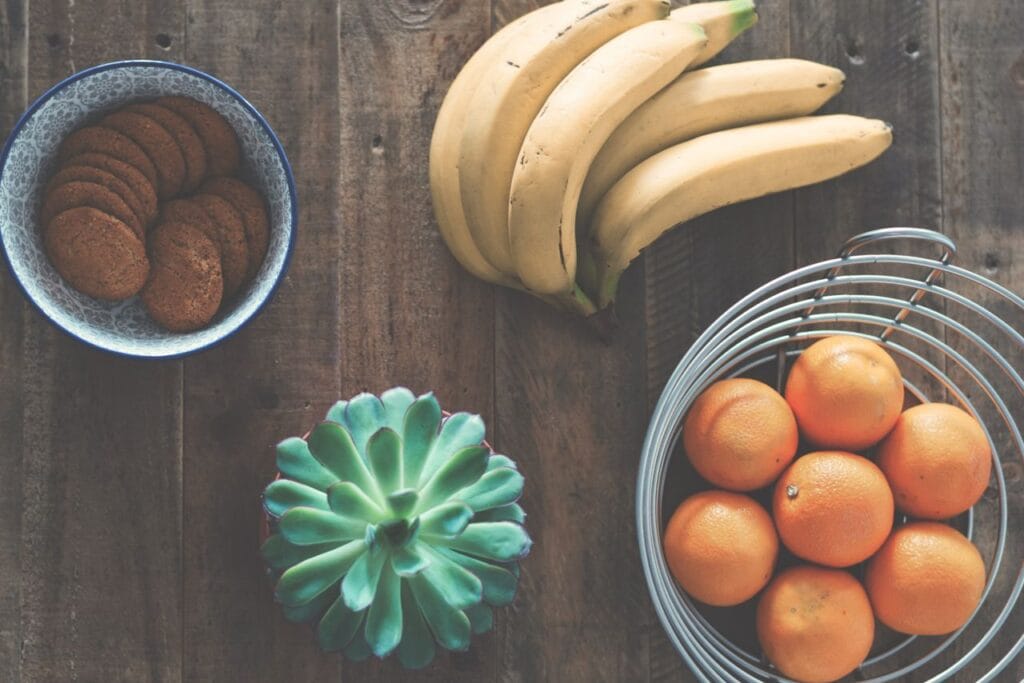
I placed a medium banana next to a chocolate chip cookie on my kitchen counter, fully expecting the cookie to be the sugary villain. Then I checked the numbers. The banana had more total grams of sugar. I stared at that fact long enough to almost swear off fruit forever. But that shocking stat is only the first layer of a much more fascinating story—one that completely rewired how I think about healthy eating, energy crashes, and what “sugar” even means inside the human body. Here’s what I discovered.
The Raw Numbers That Surprised Me Most
When you look strictly at raw carbohydrate composition, the numbers seem backward. A standard medium banana contains roughly 14 to 15 grams of sugar. On the other hand, a typical store-bought chocolate chip cookie packs about 8 to 11 grams of sugar.
Here is how their nutritional profiles stack up side by side based on standard nutritional data:
| Nutritional Component | Medium Yellow Banana (~118g) | Standard Chocolate Chip Cookie (~28g) |
| Calories | 105 kcal | 140 kcal |
| Total Sugar | 14.4 g | 9.2 g |
| Added Sugar | 0 g | 8.5 g |
| Dietary Fiber | 3.1 g | 0.4 g |
| Total Fat | 0.4 g | 7.0 g |
| Potassium | 422 mg | 35 mg |
| Vitamin C | 10.3 mg | 0.0 mg |
At a glance, seeing 14 grams of sugar in a banana versus 9 grams in a cookie confuses a lot of people. You might wonder if eating fruit is secretly no better than visiting a bakery. However, focusing solely on total sugar grams ignores the most important factor in human nutrition: the food matrix.
Natural Sugar vs. Added Refined Sugar
The origin of sugar determines how your body processes it. The sugar inside a banana consists of naturally occurring fructose, glucose, and sucrose. Plants produce these simple carbohydrates alongside water, vitamins, and minerals.
In contrast, the sugar inside a chocolate chip cookie comes primarily from refined cane sugar or high-fructose corn syrup. Food manufacturers strip away all natural plant nutrients during processing, leaving behind isolated sugar crystals.
When you eat refined sugar, your digestive tract breaks it down almost instantly. Because there is no natural cellular structure or fiber to slow down absorption, that refined sugar rushes straight into your bloodstream. Your pancreas reacts by pumping out a large surge of insulin to clear the sugar. This sudden spike leads directly to the classic sugar crash shortly after eating.
Natural fruit sugar behaves differently because nature packages it inside intact plant cell walls. Your stomach and small intestine must work to break down those structural cell walls, which slows down the release of fructose into your blood.
The Food Matrix: Fiber Acts as the Ultimate Sugar Brake
Dietary fiber is the secret hero that transforms how your body processes banana sugar. A single banana provides over 3 grams of dietary fiber, including both soluble and insoluble types. Soluble fiber dissolves in water inside your gut, forming a viscous, gel-like matrix.
This soluble fiber gel slows down the activity of digestive enzymes. As a result, glucose enters your bloodstream at a slow, steady pace rather than an overwhelming flood.
- Pectin Content: Bananas contain pectin, a structural fiber that delays stomach emptying and keeps you feeling satisfied longer.
- Resistant Starch: Slightly green or barely ripe bananas contain resistant starch, a unique carbohydrate that resists digestion in the small intestine altogether.
- Gut Health Support: Resistant starch travels to your colon, where beneficial gut bacteria ferment it into short-chain fatty acids that support your intestinal wall.
A chocolate chip cookie offers practically zero fiber. Without fiber to act as a speed bump, the sugar in the cookie absorbs rapidly, forcing your metabolism to handle a sharp, concentrated spike.
The Hidden Fat Trap in Bakery Treats
Comparing fruit to baked goods involves more than just analyzing sugar and fiber. You must also evaluate how fat interacts with carbohydrates. Bananas are naturally virtually fat-free, containing less than half a gram of total fat per serving.
Conversely, a standard chocolate chip cookie derives nearly half of its total calories from fat, specifically saturated fat from butter, margarine, or processed oils. When food manufacturers combine high amounts of refined sugar with high amounts of saturated fat, they create a hyper-palatable food combination. This specific combination rarely exists in nature.
This sugar-and-fat combo activates the reward centers in your brain in a unique way. It overrides your internal fullness signals, making it extremely easy to eat three or four cookies without feeling full. A banana, however, fills your stomach volume with water and fiber. Eating one medium banana satisfies hunger signals effectively without tempting you to overeat.
Micronutrient Density vs. Empty Calories
Every calorie you consume carries an opportunity cost. You can choose calories that supply vital cellular tools, or calories that offer nothing beyond raw energy. When you choose a banana, your body gains essential micronutrients alongside every gram of natural sugar:
- Potassium: Supports healthy blood pressure, muscle contraction, and fluid balance throughout your cells.
- Vitamin B6: Helps your brain produce neurotransmitters like serotonin and dopamine while aiding energy metabolism.
- Vitamin C: Acts as a potent antioxidant that shields cells from oxidative stress and supports immune function.
- Magnesium: Relaxes blood vessels, reduces muscle cramping, and supports bone health.
The calories from a chocolate chip cookie are largely empty calories. While a cookie tastes fantastic, it delivers virtually no essential vitamins or minerals to support metabolic health.
How Banana Ripeness Alters Blood Sugar Impact
Not all bananas deliver sugar to your bloodstream at the same speed. The ripeness level of the fruit dramatically changes its carbohydrate structure.
- Green Bananas: Highly rich in resistant starch and low in free simple sugars. They cause a minimal blood sugar rise and feed beneficial gut microbes.
- Yellow Bananas with Green Tips: Offer an ideal balance of sweet flavor and intact fiber. They provide sustained physical energy for workouts.
- Fully Yellow Bananas: Most of the starch has converted into simple sugars like glucose and fructose, making them sweeter and easier to digest quickly.
- Brown or Spotty Bananas: Highly rich in simple sugars with minimal resistant starch remaining. They digest rapidly, making them great for immediate pre-workout fuel, but less ideal if you need long-lasting blood sugar stability.
If you watch your blood sugar closely, choosing bananas that are slightly green or yellow with firm skin gives you the lowest glycemic impact.
Smart Ways to Balance Blood Sugar with Fruit
Even though whole fruit is inherently healthy, you can optimize your nutrition even further with smart food pairings. If you want to flatten blood sugar curves when eating fruit, pair your banana with healthy fats or proteins.
- Add Nut Butter: Spread almond butter or natural peanut butter onto sliced banana pieces to slow down digestion even more.
- Mix with Greek Yogurt: Combine banana slices with plain unsweetened Greek yogurt to add high-quality protein to your snack.
- Sprinkle Seeds: Top your fruit with chia seeds or flaxseeds to boost the total fiber and healthy omega-3 content.
These simple pairings flatten your glycemic response curve, giving you steady, clean energy that lasts for hours.
Related Articles
- Stop Feeling Guilty—These 8 “Cheat Day” Snacks Are Scientifically Proven to Burn Belly Fat (Yes, That Chocolate Bar Counts)
- Stop Making These 6 Mistakes If You Want to Lose Weight—Experts Explain Why
- Is Phenylalanine Secretly Sabotaging Your Diet? Here’s the Truth
- Top FODMAP-Friendly Protein Powders and Meal Replacements You Need Now
- Try These 5 High-Protein Smoothie Ingredients Instead of Protein Powder