FREE SHIPPING OVER $50
Trainers Say If Your Calves Are Smaller Than This, You’re Lagging Behind—Here Are 4 Workouts to Fix It Fast

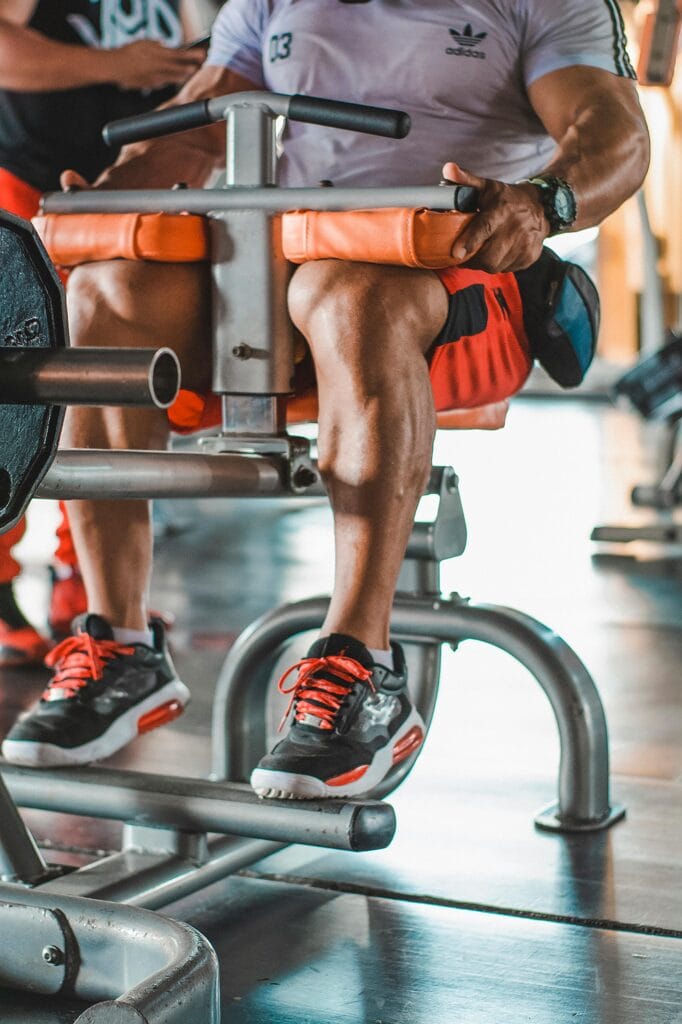
If you have ever felt self-conscious wearing shorts at the gym because your lower legs look like toothpicks sticking out of your sneakers, you’re experiencing one of the most common frustrations in the entire fitness community. The calves are notoriously labeled as the most stubborn muscle group in the human body. This leads millions of gym-goers to blame their lack of progress entirely on poor family genetics. If you pull out a measuring tape right now and find that your calves are significantly smaller than your arms, your lower body proportions are officially lagging. Fortunately, you do not have to accept a future of skinny legs, because this structural imbalance is rarely a genetic curse; rather, it is almost always the result of improper training mechanics that can be corrected using four targeted hypertrophy workouts.
The Architecture of the Lower Leg: Understanding Your Anatomy
To make a muscle grow, you must first understand the specific tissue you are trying to target. The calf is not just one solid block of muscle. It is comprised of two completely distinct primary muscles that require different training angles and joint positions to stimulate growth.
The gastrocnemius is the large, diamond-shaped muscle that sits at the top of your lower leg, creating that classic “heart” shape visible from behind. Because the it crosses both the knee joint and the ankle joint, it is only fully activated when your legs are completely straight. The moment you bend your knees, the gastrocnemius slackens, and the workload shifts entirely to the soleus. The soleus is a broad, flat muscle that sits underneath the gastrocnemius. This muscle can only be isolated when your knees are bent at a 90-degree angle, such as during a seated calf raise.
The Achilles Tendon Trap: Why Your Routine Is Failing
The single biggest reason people fail to grow their calves is that they unknowingly allow their Achilles tendon to do all the heavy lifting. The Achilles tendon is the thickest and strongest tendon in the entire human body. It is designed specifically to store and release elastic energy like a high-powered trampoline spring.
When you bounce up and down rapidly during calf raises, your muscle fibers are barely contracting at all. Instead, the tendon absorbs the weight on the way down and bounces it back up automatically. To force the actual muscle tissue to grow, you must completely eliminate this elastic assistance. You can achieve this by implementing a strict two-second dead stop at the bottom of every single repetition, which forces the tendon to relax and compels the muscle fibers to move the load from a dead stop.
Calf Symmetry: Bicep vs. Calf Measurement Guide
| Height Range | Average Bicep Target | Proportional Calf Metric | The Lagging Threshold |
| 5’7″ to 5’9″ | 14.5 to 15.0 Inches | 14.5 to 15.0 Inches | Smaller than 13.5 Inches |
| 5’10” to 6’0″ | 15.5 to 16.0 Inches | 15.5 to 16.0 Inches | Smaller than 14.5 Inches |
| 6’1″ to 6’3″ | 16.5 to 17.0 Inches | 16.5 to 17.0 Inches | Smaller than 15.5 Inches |
Workout 1: The Straight-Leg Gastrocnemius Blaster
This routine targets the visible outer diamond of the calf by keeping the knee joint completely locked, forcing the gastrocnemius to handle the absolute maximum amount of mechanical tension.
- Standing Barbell Calf Raises: 4 sets of 10 repetitions. Use a heavy load, lower your heels as far as possible, hold the stretch for 2 seconds, then explode up onto your big toes and hold the contraction for 1 full second.
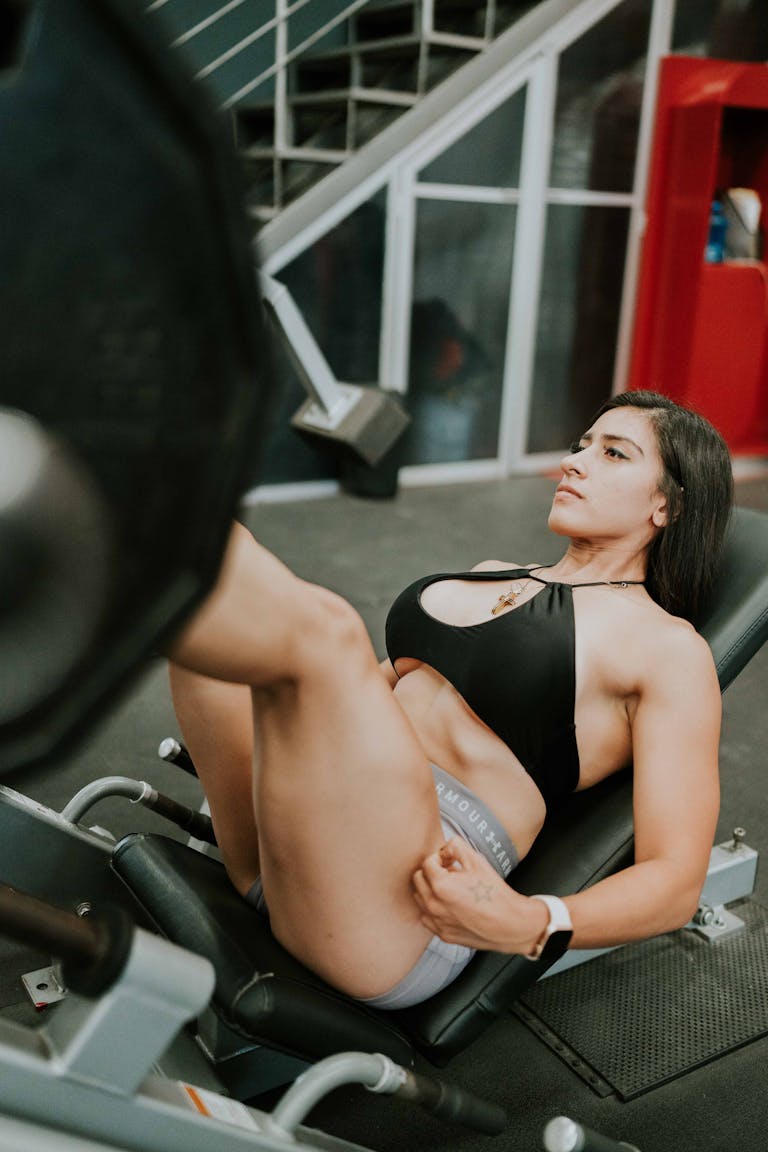
- Leg Press Calf Presses: 3 sets of 15 repetitions. Keep your knees locked with a micro-bend to protect the joint, focusing entirely on a deep stretch at the bottom of the movement.
- Bodyweight Donkey Calf Raises: 3 sets to absolute failure. Lean forward over a bench or railing to stretch the hamstrings, which pre-tenses the gastrocnemius for a deeper muscular contraction.
Workout 2: The Seated Soleus Thickness Routine
To add structural width to the sides of your lower legs when viewed from the front, you must dedicate specific training volume to the soleus muscle using bent-knee exercises.
- Seated Machine Calf Raises: 5 sets of 20 repetitions. The soleus is predominantly made of slow-twitch endurance muscle fibers, meaning it responds exceptionally well to higher repetition ranges and prolonged time under tension.
- Bent-Knee Dumbbell Raises on a Step: 3 sets of 15 repetitions. Sit on a bench with a dumbbell resting on your knee, using a block under your foot to maximize the range of motion.
- The Tibialis Anterior Raise: 3 sets of 25 repetitions. Lean your back against a wall, walk your feet out twelve inches, and pull your toes up toward your shins to train the muscle on the front of your shin, which instantly frames the calf and makes it look thicker.
Workout 3: The High-Volume Mechanical Drop Set
When a muscle group is stubborn, you sometimes have to shock the nervous system by forcing it past the point of initial fatigue using drop sets that change the mechanical leverage of the exercise.
- Smith Machine Calf Raises: Start with a weight you can lift for 12 perfect repetitions with a 2-second pause. Immediately drop the weight by 30% and perform another 10 repetitions. Strip the weight again and perform bodyweight raises until you can no longer move your ankles.
- Rest-Pause Recovery: Rest for exactly 60 seconds, then repeat the entire drop set protocol two more times. This extreme accumulation of metabolic waste pushes fluid into the muscle cells, stretching the tight fascial lining that surrounds the lower leg tissues.
Workout 4: The Unilateral Balance and Power Split
Many individuals have a dominant leg that handles the majority of the work during daily walking, leading to a noticeable size discrepancy between the left and right calves. This single-leg routine fixes those asymmetries quickly.
- Single-Leg Dumbbell Calf Raises: 4 sets of 12 repetitions per leg. Hold a dumbbell in the hand on the same side as the working leg, using your free hand purely for balance against a wall.
- Single-Leg Standing Leg Press Presses: 3 sets of 15 repetitions per leg. Ensure that your weak leg matches the exact weight and repetition count achieved by your strong leg to balance your lower body profile.
- Farmer’s Carries on Toes: 3 sets of 40 yards. Pick up heavy dumbbells and walk slowly across the gym floor while remaining entirely up on the balls of your feet, which builds incredible endurance and stabilizing power.
The Rules of Engagement: Tempo and Frequency
If you simply add these workouts to the end of your leg day when you are already exhausted, your calves will remain small. You must treat them with the exact same respect you show to your chest or biceps.
First, you must prioritize frequency. The calves are accustomed to carrying your body weight around all day, meaning they recover incredibly fast and require stimulation at least two to three times per week to trigger hypertrophy signals. Second, you must stop training with partial repetitions. Always drop your heels significantly below the level of the step to access the deep, structural stretch where the majority of muscle building actually occurs.
Related Articles
- Boost Your VO2 Fast: The High-Efficiency Norwegian 4×4 Workout and The Tiny Tweak That Multiplies Gains
- Sports Scientists Say Spring Is the Most Favorable Season for Building Muscle — Here’s Why You Should Start Now
- The 11-Minute Air Force Workout From 1961 That Modern Exercise Scientists Say Outperforms Most Programs Today
- How I Fixed My Backache by Strengthening Weak Hip Flexors — 4 Simple Exercises That Work
- I Started Lifting Weights at 50 With No Experience — Here’s the Full Routine That Built Genuine Strength by 60