FREE SHIPPING OVER $50

I’m a Nutritionist and These 5 Fruits Are So Rich in Antioxidants I Recommend Them Over Most Supplements

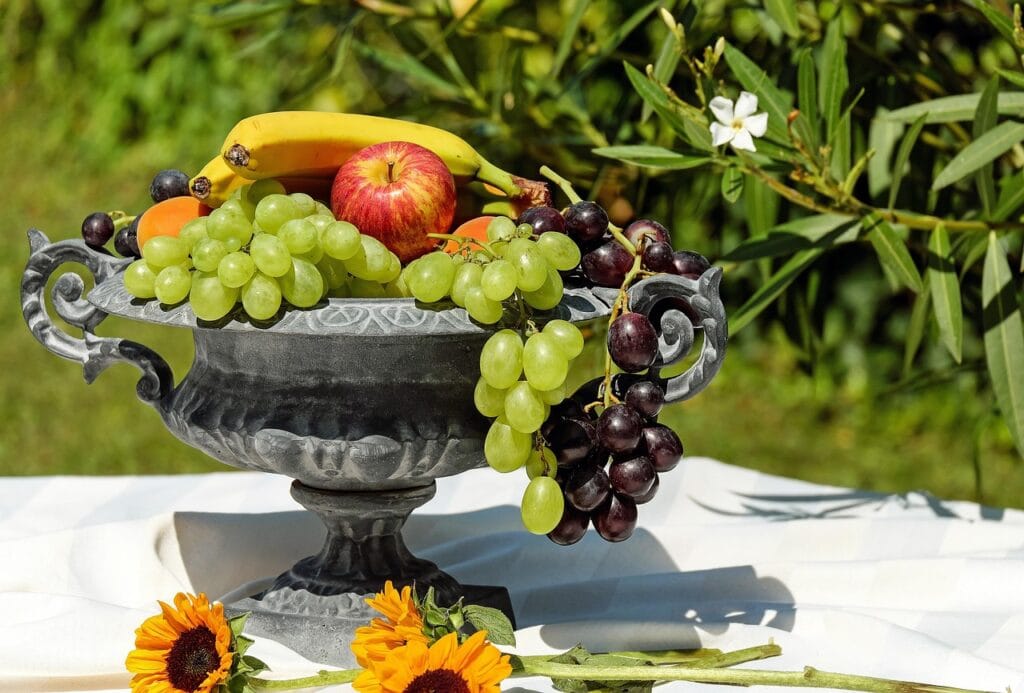
Walking down the supplement aisle can feel like a full-time job, with thousands of bottles promising to detox your blood or reverse your age. But as a nutritionist, I often tell my clients that the most sophisticated laboratory for health isn’t a pharmaceutical plant—it’s a sun-drenched orchard or a wild berry patch. While high-dose antioxidant pills can sometimes be imbalanced or even difficult for your body to absorb, whole fruits come packaged with a complex team of fibers, vitamins, and enzymes that help your body actually use those nutrients. These natural compounds act as a cellular clean-up crew, neutralizing the free radicals that cause everything from skin wrinkles to chronic inflammation. If you want to build a biological shield that protects your DNA and keeps your energy levels stable, these five fruits offer a level of protection that no synthetic capsule can truly replicate.
The Problem With Antioxidant Supplements
Most people reach for supplements because they want a shortcut to health. However, the human body didn’t evolve to process isolated nutrients in high doses. When you take a concentrated antioxidant pill, you might be getting 1,000% of your daily value of one specific compound, but you’re missing the thousands of secondary phytonutrients that make food effective.
In some cases, taking massive doses of isolated antioxidants can even become “pro-oxidant,” actually causing more stress to your cells. Nature, however, provides these compounds in perfect ratios. When you eat a piece of fruit, the fiber slows down sugar absorption, while the vitamin C works in tandem with flavonoids to strengthen your blood vessels. This synergy is why nutritionists almost always prefer the produce section over the vitamin cabinet.
5 Fruits Are So Rich in Antioxidants
1. Wild Blueberries: The Brain and Heart Guardian
While cultivated blueberries are great, wild blueberries are the undisputed heavyweight champions of the antioxidant world. Because they have to survive in harsher environments, they develop a thicker skin and a much higher concentration of anthocyanins—the deep blue pigments that protect the plant from UV damage and pests.
When you consume these pigments, they cross the blood-brain barrier to help protect your neurons from oxidative stress. This doesn’t just help with long-term brain health; it also supports daily focus and cognitive clarity. Furthermore, wild blueberries have been shown to improve the elasticity of your arteries, making them a critical tool for maintaining healthy blood pressure as you age.
2. Pomegranates: The Ultimate Anti-Inflammatory Tool
Pomegranates contain unique compounds called punicalagins. These are incredibly potent antioxidants found in the juice and peel that have been shown to have three times the antioxidant activity of red wine and green tea. If you are dealing with joint stiffness or systemic inflammation, pomegranates act like a natural “fire extinguisher” for your tissues.
One of the most exciting aspects of pomegranate consumption is its effect on gut health. When your gut bacteria break down the compounds in pomegranates, they produce a molecule called Urolithin A. Researchers have found that this molecule helps your cells recycle broken mitochondria, effectively refreshing your cellular energy centers. This is a level of anti-aging support that very few supplements can provide in a bioavailable way.
3. Blackberries: The DNA Protector
Blackberries often take a backseat to strawberries, but they are significantly higher in fiber and ellagic acid. This specific antioxidant is famous in nutrition circles for its ability to help protect DNA from environmental toxins. Think of it as a security guard for your genetic code.
In addition to DNA support, blackberries are incredibly high in Vitamin K and Vitamin C. This combination is essential for bone density and collagen production. Instead of taking a collagen supplement, eating a bowl of blackberries provides the vitamin C signal your body needs to produce its own collagen naturally, while the antioxidants protect that new collagen from being broken down by the sun or pollution.
4. Raspberries: The Metabolic Stabilizer
Raspberries are unique because they are one of the lowest-sugar fruits available, yet they are packed with a flavonoid called quercetin. Quercetin is often sold as a standalone supplement for allergies and immune support, but in raspberries, it comes with a massive dose of manganese and fiber.
This combination makes raspberries a metabolic stabilizer. The antioxidants help reduce the oxidative stress caused by blood sugar spikes, while the fiber ensures that the fruit’s natural sugars are released slowly. For anyone watching their glucose levels but wanting to maximize their nutrient intake, raspberries are the perfect choice to help keep the body’s internal environment balanced and resilient.
5. Tart Cherries: The Recovery Master
If you feel sore after a workout or struggle with restless sleep, tart cherries (especially the Montmorency variety) are more effective than many over-the-counter recovery aids. They are one of the only natural food sources of melatonin, the hormone that regulates your sleep-wake cycle.
But the real magic lies in their high concentration of anti-inflammatory anthocyanins. These compounds help your muscles recover from oxidative stress and physical exertion. Many elite athletes now use tart cherry juice instead of traditional NSAIDs (like ibuprofen) because it helps the body heal naturally without the gut-irritating side effects of medication.
Antioxidant Profile Comparison
| Fruit | Primary Antioxidant | Main Benefit | Best Way to Eat |
| Wild Blueberries | Anthocyanins | Brain Focus & Heart Elasticity | Frozen in smoothies |
| Pomegranates | Punicalagins | Mitochondrial Repair | Fresh seeds or 100% juice |
| Blackberries | Ellagic Acid | Skin Health & DNA Protection | Fresh with yogurt |
| Raspberries | Quercetin | Histamine Balance & Recovery | Raw and whole |
| Tart Cherries | Melatonin / Anthocyanins | Sleep Quality & Muscle Repair | Juice concentrate |
How to Maximize Your The Benefits
To get the most out of these fruits, you have to be smart about how you buy and store them. Antioxidants are delicate; they can be destroyed by heat, light, and time.
- Buy Frozen for Berries: Since wild blueberries and blackberries are often picked at peak ripeness and flash-frozen, they often contain more antioxidants than fresh berries that have sat on a truck for a week.
- Avoid Heavy Processing: While a small glass of pomegranate or tart cherry juice is beneficial, try to eat the whole fruit whenever possible. The fiber in the skin and pulp is what helps your body regulate the sugar and feed your healthy gut bacteria.
- Color Diversity: Don’t just stick to one fruit. Each color represents a different family of antioxidants. By mixing deep blues, bright reds, and dark purples, you ensure your body has a full “library” of protective compounds to draw from.
The Morning Shield Routine
As a nutritionist, I recommend starting your day with what I call the morning shield. Instead of a sugary cereal, try a bowl of Greek yogurt or oatmeal topped with a mix of wild blueberries and raspberries. By flooding your system with these protective compounds first thing in the morning, you are setting a biological tone for the day. You are providing your cells with the clean-up crew they need to handle the stress, pollution, and dietary challenges of the next 12 hours.
Related Articles
- The Performance Fuel: Eat This 30 Minutes Before Sex and You’ll Last Twice as Long, Study Says
- One Tick Bite Could Make You Allergic to Meat — What Doctors Say You Must Watch For
- I Asked 4 Dietitians How They ‘Cheat’ on a Diet for Weight Loss (My Cravings Just Vanished Instantly!)
- Eat These 5 Foods Daily to Naturally Lower Blood Sugar & Boost Insulin Sensitivity
- Diabetes Alert: Why Sweet Drinks Are WORSE Than Solid Sweets for Your Blood Sugar (And How to Escape!)