FREE SHIPPING OVER $50

The 10 Foods Cardiologists Say Are Raising Cholesterol in People Who Think They’re Already Eating Clean


You have swapped the soda for sparkling water, traded the white bread for multigrain, and practically took up residency in the produce aisle, yet your latest blood work just came back with a warning light on your LDL cholesterol. It is a frustrating scenario that cardiologists see every day: dedicated health enthusiasts who are “eating clean” by the book but still struggling with a systemic lipid imbalance. The problem usually lies in the foods marketed as health staples that actually trigger metabolic pathways responsible for spiking cholesterol and causing arterial inflammation. While we have spent years obsessing over dietary cholesterol (like the ones found in eggs), modern cardiology has shifted its focus toward how specific “clean” foods impact the liver’s production of lipids and the quality of the LDL particles circulating in your bloodstream.
The New Science of Cholesterol: It’s Not Just Fat
For decades, the advice was simple: avoid saturated fat and you’ll avoid high cholesterol. However, we now know that cholesterol management is far more nuanced. Your liver produces about 75% of the cholesterol in your body; only a small fraction comes directly from what you eat.
The real danger isn’t necessarily a high LDL number in isolation, but rather the oxidative stress and glycation that turn those LDL particles into “small, dense” pellets that can easily wedge themselves into your arterial walls. Many “clean” foods, particularly those high in hidden sugars or specific vegetable oils, act as the catalyst for this process. By identifying these triggers, you can perform a “Lipid Reset” that targets the root cause of the clog rather than just the symptoms.
10 “Healthy” Foods Cardiologists Say Are Raising Cholesterol
1. Coconut Oil and the “Saturated” Trap
Coconut oil has been hailed as a superfood for everything from brain health to weight loss, but from a cardiovascular perspective, it is a complicated guest. While it contains Medium-Chain Triglycerides (MCTs) that provide quick energy, it is also roughly 82% saturated fat—significantly higher than butter or lard.
Cardiologists often find that “clean eaters” who add coconut oil to their morning coffee or use it for every meal see a significant spike in their LDL-C levels. While it may raise “good” HDL cholesterol as well, the net effect on the total cholesterol-to-HDL ratio is often negative for those predisposed to heart issues. If your numbers are high, this “healthy” fat might be the first thing you need to swap for extra virgin olive oil.
2. Commercial Granola and “Healthy” Cereals
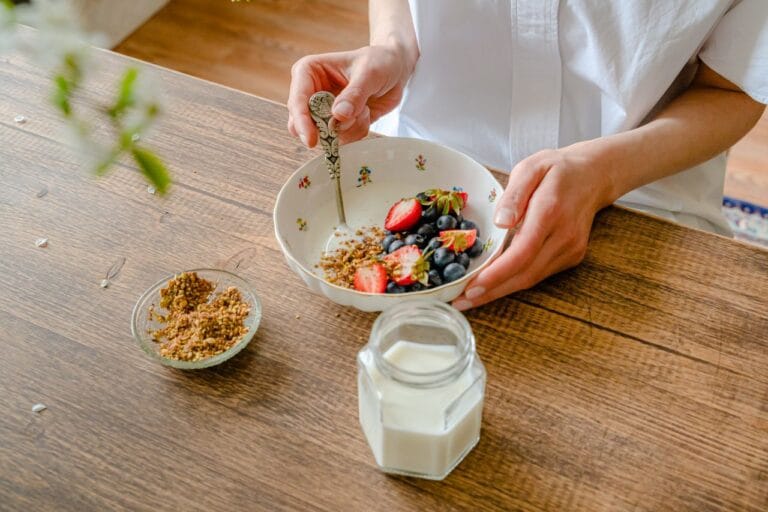
Granola is the ultimate “health-washed” food. Most people view it as a heart-healthy mix of oats and nuts, but the reality is often closer to a crumbled-up cookie. To get that crunchy texture and sweet taste, manufacturers pack granola with “natural” sugars like honey, maple syrup, or agave.
These concentrated sugars trigger a spike in insulin, which tells your liver to produce more VLDL (Very Low-Density Lipoprotein)—the precursor to the dangerous small, dense LDL. Additionally, many granolas are baked in inflammatory seed oils, creating a double-hit to your arterial health before you’ve even finished breakfast.
3. Non-Dairy “Creamers” and Nut Milks
As more people move away from dairy, nut milks and plant-based creamers have exploded in popularity. However, a quick look at the ingredient label often reveals a cocktail of thickeners and stabilizers like carrageenan, guar gum, and—most importantly—added oils.
Many oat milks and creamers use rapeseed or sunflower oil to create a creamy mouthfeel. These oils are high in Omega-6 fatty acids, which can contribute to systemic inflammation when not balanced by Omega-3s. Inflammation makes your arterial walls sticky, making it much easier for cholesterol to form plaques.
4. Agave Nectar and “Low-Glycemic” Sweeteners
Agave was once marketed as the perfect sugar substitute for the health-conscious because it doesn’t spike your blood sugar as much as table sugar. However, agave is incredibly high in Fructose—sometimes up to 90%.
Unlike glucose, which every cell in your body can use, fructose can only be processed by the liver. When the liver is overloaded with fructose, it converts the excess into triglycerides. High triglycerides are a major risk factor for heart disease and are directly linked to the development of fatty liver disease, which further impairs your body’s ability to regulate cholesterol levels.
5. “Veggie” Chips and Processed Plant Snacks
Just because a snack has kale or beet in the name doesn’t mean it’s heart-healthy. Most veggie chips are highly processed, deep-fried in refined oils, and stripped of the fiber that makes the original vegetable beneficial.
These snacks are often high in Acrylamides and refined carbohydrates, which contribute to oxidative stress. When LDL cholesterol becomes oxidized, it becomes far more dangerous. If you are reaching for veggie chips thinking they are a clean alternative to potato chips, you are likely still consuming the very fats and starches that keep your cholesterol levels elevated.
6. Fat-Free Yogurt with Fruit on the Bottom
The fat-free craze of the 90s left a lasting mark on our grocery stores, but removing fat usually means adding sugar to maintain flavor. A single serving of “fruit on the bottom” yogurt can contain more sugar than a glazed donut.
As we discussed with agave, excess sugar—especially the high-fructose corn syrup often found in these fruit preparations—drives up triglycerides and lowers “good” HDL cholesterol. A much cleaner option is plain Greek yogurt, which you can sweeten yourself with a handful of fiber-rich berries.
7. Commercially Prepared Rotisserie Chicken
Chicken is the go-to clean protein, but the pre-cooked rotisserie chickens found in most supermarkets are often injected with a brine to keep them moist. This brine is typically loaded with salt, sugar, and “natural flavors” that can include hidden fats.
High sodium intake doesn’t directly raise cholesterol, but it does stiffen your arteries and raise blood pressure. When you have high blood pressure and high cholesterol, the damage to your arterial lining is exponentially worse. The sheer convenience of rotisserie chicken often hides the fact that you are consuming a highly processed meat product.
8. Reduced-Fat Salad Dressings
Salad is the quintessential clean meal, but drenching it in reduced-fat dressing can sabotage your efforts. When fat is removed from dressing, manufacturers often add sugar, corn starch, and salt to compensate for the loss of texture.
Furthermore, many of these dressings use low-quality oils as a base. Since fat is required for your body to absorb the fat-soluble vitamins (A, D, E, and K) in your salad, you are better off using a simple dressing of olive oil and vinegar, which provides heart-healthy monounsaturated fats.
9. Instant Flavored Oatmeal
Oats are famously good for cholesterol because they contain Beta-Glucan, a soluble fiber that binds to cholesterol in the digestive tract and flushes it out. However, flavored instant oatmeal packets are often stripped of much of their fiber and loaded with sugar and salt.
The high glycemic index of instant oats causes a rapid rise in blood sugar, which can lead to inflammation. To get the actual longevity benefits of oats, you must stick to steel-cut or rolled oats that require actual cooking time.
10. Gluten-Free Packaged Goods
Many people switch to a gluten-free diet thinking it is inherently cleaner or better for weight loss. However, many packaged gluten-free products use refined starches like potato starch or tapioca starch to replicate the texture of wheat.
These starches are high-glycemic and can lead to the same insulin-driven cholesterol spikes as white bread. Unless you have celiac disease or a genuine sensitivity, many of these “clean” gluten-free snacks are doing more harm than good to your lipid profile.
How to Rebuild Your Arterial Shield
Managing cholesterol isn’t just about what you remove; it is about what you add to protect your heart. To counter the effects of hidden saboteurs, focus on Fiber Leverage. Aim for 30 to 40 grams of fiber per day from whole, unprocessed sources. Fiber acts like a “broom” for your arteries, sweeping out excess bile acids and forcing your liver to use up circulating LDL to make more.
Additionally, prioritize Antioxidant Density. Foods rich in polyphenols—like extra virgin olive oil, dark leafy greens, and wild berries—help prevent LDL from oxidizing. An unoxidized LDL particle is much less likely to stick to your arterial walls, even if your total numbers are slightly elevated.
Related Articles
- The Autophagy Menu: 7 Foods That Trigger Your Body’s Internal Cleaning Crew to Reverse Aging
- The Surprising Thing Regular Carrot Consumption Does to Blood Sugar That Most Nutrition Labels Never Tell You
- What 3 Days Without Sugar Does to Your Brain Chemistry, Cravings, and Body Fat — According to Neuroscientists
- The 12 Everyday Foods Quietly Outpacking Eggs on Protein — and Most People Have No Idea
- I Spent 10 Years Eating Randomly — 7 Meal Planning Secrets Finally Gave Me My Life Back