FREE SHIPPING OVER $50
Dentists Are Begging Patients to Stop Doing This One Thing After Brushing — and Most People Do It Every Single Morning

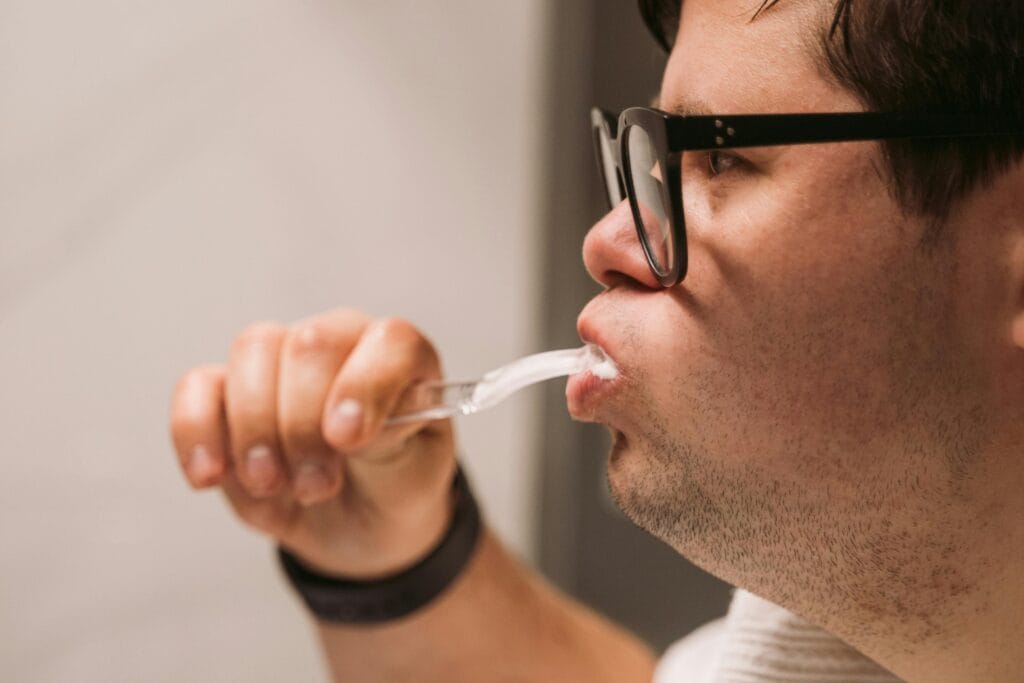
If you finish your two-minute brushing session by immediately cupping your hands under the faucet and rinsing your mouth with water, you are accidentally sabotaging your own dental health. While the “rinse and spit” routine feels like the natural, clean conclusion to your morning ritual, dentists across the country are sounding the alarm on this counterproductive habit. In the world of modern preventive dentistry, the goal isn’t just to scrub away plaque; it is to leave a protective “remineralization shield” on your teeth that works long after you have left the bathroom. Skipping that final rinse is the simplest, most effective way to turn your standard toothpaste into a high-performance treatment that prevents cavities and reverses early-stage decay on a cellular level.
The Science of Contact Time: Why Your Enamel Needs a Head Start
To understand why rinsing is so detrimental, you have to look at how toothpaste actually works. Most modern formulas contain fluoride, hydroxyapatite, or other remineralizing agents designed to strengthen the tooth structure. However, these minerals aren’t magic; they require contact time to be absorbed into the porous surface of your enamel. When you brush, you are creating a slurry of these minerals around your teeth. If you rinse with water immediately, you reduce the concentration of these healing agents by over 90% in a matter of seconds.
Think of your toothpaste like a therapeutic face mask or a deep-conditioning treatment for your hair. You wouldn’t apply an expensive serum and then immediately wash it off with a power hose. Your teeth are no different. By spitting out the excess foam but skipping the water rinse, you allow a thin film of fluoride to remain in contact with your teeth. This “topical application” is what actually triggers the chemical reaction known as remineralization, where the minerals in your saliva and toothpaste are pulled back into the weakened spots of your enamel.
The 30-Minute Rule: Protecting the “Healing Window”
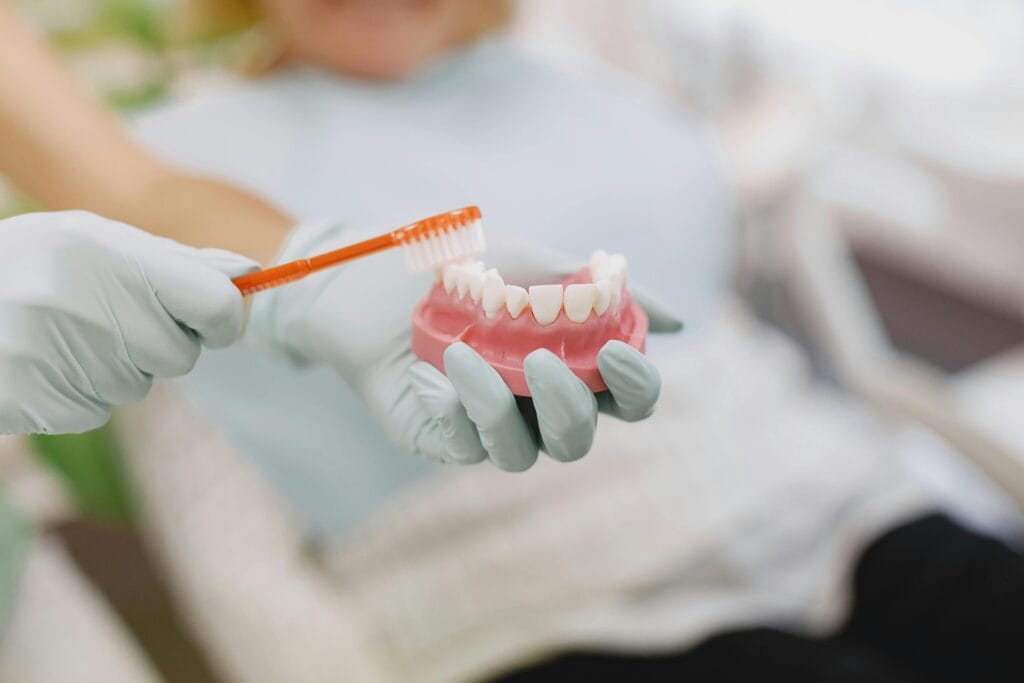
Dental professionals are increasingly advocating for the “30-Minute Rule.” This guideline suggests that after you finish brushing, you should avoid eating, drinking, or rinsing for at least half an hour. During this window, your saliva is working in tandem with the leftover toothpaste residue to neutralize acids and harden the tooth surface.
If you drink a glass of water or a cup of coffee right after brushing, you are essentially “resetting” the pH of your mouth and stopping the repair process in its tracks. This is particularly crucial for people with sensitive teeth or those prone to frequent cavities. That 30-minute window is the most biologically active time for your teeth, and protecting it can be the difference between a clean bill of health and a painful filling at your next checkup.
Comparison: Rinsing vs. The “Spit-Only” Method
To see why the “no-rinse” method is winning over the dental community, look at how it impacts the actual mineral availability in your mouth.
Mineral Retention Leaderboard
| Action | Fluoride Retention After 30 Mins | Enamel Repair Potential | Decay Risk |
| Rinsing with Water | Low (<10%) | Minimal | High |
| Using Alcohol Mouthwash | Low (Washes away minerals) | Low | Moderate |
| Spit-Only (No Rinse) | High (80%+) | Maximum | Lowest |
| Spit-Only + 30 Min Wait | Optimal (100% absorption) | Peak “Self-Healing” | Negligible |
The Mouthwash Trap: Why Your Post-Brush Rinse is Double Trouble
Many people replace the water rinse with a quick swish of mouthwash, believing they are adding an extra layer of protection. Unfortunately, this is often a “double-whammy” for your enamel. Most standard over-the-counter mouthwashes actually have a lower concentration of fluoride than your toothpaste. When you use mouthwash immediately after brushing, you are effectively “diluting” the high-potency toothpaste minerals with a weaker solution.
Furthermore, many popular mouthwashes are highly acidic or contain alcohol, which can dry out your mouth. Saliva is your body’s natural defense against decay; it contains the calcium and phosphate needed for repair. If your mouthwash dries out your oral environment, it makes it harder for your teeth to stay “bulletproof.” If you must use mouthwash, dentists suggest using it at a completely separate time of day—such as after lunch—to provide a mid-day boost of protection rather than interfering with your morning brushing.
Reversing the “Pancake” Effect in Dental Health
Just like a flat muscle can be “reflated” with the right training, “flat” or dull enamel can be revitalized through consistent remineralization. When your teeth look yellow or translucent, it is often because the enamel has thinned, allowing the darker dentin underneath to show through. This isn’t just an aesthetic issue; it is a sign of structural vulnerability.
By adopting the “spit-only” method, you are constantly feeding the enamel what it needs to stay thick and white. Over several months, this habit can actually improve the “lustre” of your smile. Because the minerals fill in the microscopic “pockmarks” on your teeth, your smile becomes more resistant to staining from coffee and wine. The smoother the surface of the tooth, the harder it is for plaque and stains to stick.
Form and Technique: Making the Most of the “No-Rinse” Habit
Transitioning to a no-rinse routine can feel “slimy” or strange at first if you are used to a squeaky-clean finish. To make the transition easier and more effective, follow these biomechanical tweaks to your brushing technique.
- Use the Right Amount: You only need a pea-sized amount of toothpaste. Using too much creates excessive foam, which makes the “spit-only” method feel messy.
- Focus on the Gum Line: Gently angle your brush at 45 degrees toward the gums. This ensures that the minerals are left in the “pockets” where decay usually starts.
- The “Dry Brush” Start: Try starting your brushing with a dry toothbrush. This allows the toothpaste to stay more concentrated and prevents it from becoming too watery too quickly.
- Scrape the Tongue First: If you are worried about “clean” breath, scrape your tongue before you brush. This removes the bacteria that cause odors, so you don’t feel the need to rinse them away at the end.
The Impact of “Self-Healing” Teeth on Long-Term Wellness
We are moving into an era of Systems-Based Dentistry, where the goal is to prevent the need for drills entirely. The “no-rinse” habit is a cornerstone of this movement. When your teeth are in a constant state of remineralization, you are significantly less likely to develop the chronic infections that link oral health to heart disease and stroke.
By keeping your enamel “impenetrable,” you are effectively sealing off the “Mouth-Brain Highway.” You are stopping the inflammatory bacteria from ever reaching the deeper pulp of the tooth, where they could enter your bloodstream. This simple morning shift isn’t just about avoiding a cavity; it is a strategic move for your total systemic health and longevity.
Related Articles
- The “Anti-Cavity” Snack: Why Dentists Want You to Eat This Specific Cheese After Every Meal
- New Gel Repairs Tooth Enamel in Weeks — Dentists Are Stunned
- Forget the Drill: The ‘Enamel Armor’ Foods That Make Your Teeth Virtually Cavity-Proof
- You’re Probably Using Your Electric Toothbrush Wrong—Here’s What Dentists Say to Do Instead
- Dentists Are Alarmed: These 3 Popular Supplements May Be Slowly Destroying Your Teeth