FREE SHIPPING OVER $50

The 5-Hour Immune Gap: Why That “Healthy” Glass of Juice Is Temporarily Paralyzing Your White Blood Cells

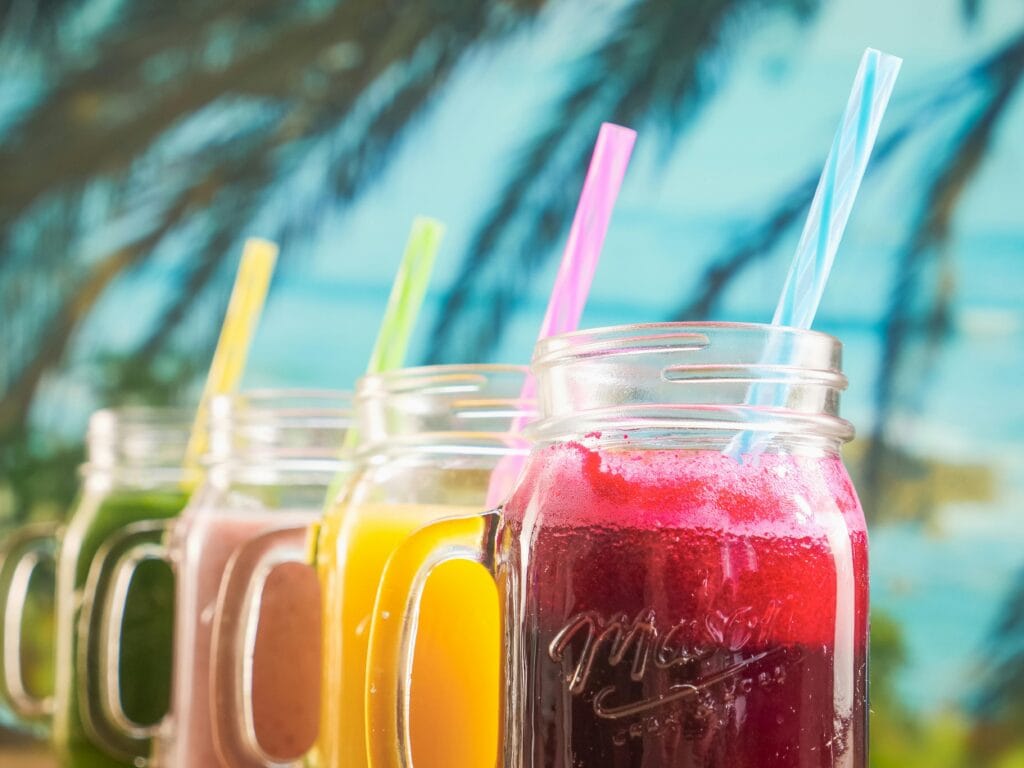
You probably poured that glass of orange juice this morning, thinking you were doing your body a massive favor, especially during cold and flu season. We have been conditioned to equate fruit juice with a “vitamin boost.” Still, a growing body of research in clinical immunology suggests that this morning ritual might actually be leaving you defenseless. While Vitamin C is present, it is often overshadowed by a massive dose of liquid fructose and glucose, which triggers a phenomenon known as the “Immune Gap.” For up to five hours after consumption, your white blood cells—the frontline soldiers of your immune system—enter a state of temporary paralysis, losing their ability to seek out and destroy invading pathogens. If you are drinking juice to “stay healthy,” you might unknowingly be turning off your body’s primary defense system at the exact moment you need it most.
The Phagocytic Index: How Sugar Stuns Your Cells
When you drink a glass of juice, the rapid spike in blood sugar creates a competitive environment. Interestingly, the chemical structure of glucose is remarkably similar to the chemical structure of Vitamin C. Because of this similarity, sugar competes with Vitamin C for entry into your white blood cells. When your blood sugar is high, the glucose wins the race, effectively “crowding out” the Vitamin C and slowing the cell’s movement to a crawl. Scientists have observed that after consuming roughly 75 to 100 grams of sugar—the amount found in some large commercial juices—the activity of these white blood cells drops by nearly 50%.
The 5-Hour Window of Vulnerability
The most alarming aspect of this research isn’t just that the immune system slows down, but how long the effect lasts. This isn’t a five-minute lag; it is a systemic “shutdown” that typically begins thirty minutes after ingestion and peaks at the two-hour mark. The suppression can linger for up to five hours.
During this “Immune Gap,” your body is essentially in a state of immunosuppression. If you walk into a crowded office, a grocery store, or an airplane cabin during this window, your body’s ability to neutralize an inhaled virus is significantly compromised. By the time your blood sugar levels stabilize and your white blood cells “wake up,” the pathogen may have already gained a foothold in your system.
Whole Fruit vs. Fruit Juice
| Feature | Whole Orange | 12oz Orange Juice |
| Sugar Concentration | Moderate (Wrapped in fiber) | High (Concentrated liquid) |
| Fiber Content | 3-4 grams (Slows absorption) | 0-0.5 grams (Instant spike) |
| Insulin Response | Stable / Low | Sharp / High |
| Immune Impact | Supportive (Low glycation) | Suppressive (High glycation) |
| Phagocytic Activity | Normal / Enhanced | 50% Reduction |
The Fructose Factor and Systemic Inflammation
While glucose is the primary culprit in cell “paralysis,” the fructose in juice presents a different set of problems. Unlike glucose, which every cell in your body can use for energy, fructose must be processed entirely by the liver. When the liver is hit with a sudden flood of liquid fructose from juice, it triggers the production of pro-inflammatory cytokines.
These cytokines send a signal to the rest of the body that it is under stress. Chronic consumption of fruit juice can lead to a state of “metabolic endotoxemia,” where the gut lining becomes slightly more permeable, allowing small amounts of bacteria to leak into the bloodstream. This keeps your immune system “distracted” by internal inflammation, leaving it too exhausted to fight off external threats like the common cold.
Why “Natural” Sugar Isn’t a Free Pass
A common misconception is that “natural” sugar from fruit is inherently different from the white sugar in a candy bar. While fruit juice does contain vitamins, your white blood cells cannot tell the difference between the fructose in a “cold-pressed” green juice and the high-fructose corn syrup in a soda.
The biological response is identical: an insulin spike followed by a drop in immune surveillance. In fact, many commercial fruit juices contain as much sugar as a can of cola. The lack of fiber is the critical missing link. When you eat a whole orange, the fiber slows down the release of sugar into your bloodstream, preventing the “immune stun” effect. When you strip that fiber away to make juice, you turn a health food into a metabolic stressor.
The Vitamin C Paradox: Why Juice is an Inefficient Delivery System
If you’re drinking juice specifically for Vitamin C, you are using a very inefficient delivery system. As mentioned earlier, sugar and Vitamin C use the same transport proteins (GLUT receptors) to enter the cells. Because the juice provides so much sugar, it actually inhibits the absorption of the very vitamin you are trying to consume.
To get the most out of Vitamin C, your body needs a low-glycemic environment. This is why supplements or low-sugar whole foods (like bell peppers or broccoli) are far superior for immune support. When you drink juice, you are essentially giving your body a “gift” (Vitamin C) but then locking the door (with sugar) so the gift can’t be delivered.
How to Close the Immune Gap
You don’t necessarily have to give up your morning “zest,” but you do need to change the delivery method. Closing the 5-hour immune gap is about managing your glycemic load.
- Switch to Whole Fruit: Eat the orange instead of drinking it. The fiber will protect your white blood cells from the sugar spike.
- Dilute Your Juice: If you must have juice, mix two ounces of juice with ten ounces of sparkling water. This reduces the sugar load while still giving you the flavor.
- Add Protein and Fat: If you drink juice with a meal containing healthy fats (like avocado) or protein (like eggs), the digestion process slows down, blunting the insulin response.
- Timing Matters: Never drink juice on an empty stomach first thing in the morning. This is when your body is most sensitive to sugar spikes.
The “Stealth” Immune Boosters
If the goal is truly to protect your immune system, there are several “stealth” foods that provide the benefits of juice without the 5-hour paralysis.
- Red Bell Peppers: They contain significantly more Vitamin C than oranges with a fraction of the sugar.
- Camu Camu Powder: A superfood berry that is the most concentrated source of Vitamin C on the planet.
- Fermented Vegetables: Foods like sauerkraut provide Vitamin C along with probiotics that strengthen the gut-skin barrier.
- Lemon Water: A squeeze of fresh lemon in warm water provides a hit of Vitamin C and bioflavonoids without the sugar spike.
Related Articles
- How Eating Like an Italian for 30 Days Finally Broke My 5-Year Weight Plateau
- 7 Natural Sweeteners That Protect Your Metabolism — Ditch Sugar Without Sacrificing Taste
- The “Bloat-Free” Rule: Why Japanese Women Ditch Probiotics for This 0-Cent Habit
- Why Authentic Pasta Doesn’t Wreck Your Blood Sugar (Unlike the Carbs Most Americans Eat)
- Don’t Toss Those Eggs Yet — 5 Quick Tests to Know If They’re Fresh