FREE SHIPPING OVER $50

I’m a Gut Surgeon: These 8 Low-Sugar Fruits Fight Aging (I Eat One Every Single Morning)

As a surgeon who spends most of my time looking at the inner workings of the human digestive tract, I can tell you that your gut is the frontline of the aging process. Most people think of aging as something that happens “to” them—wrinkles, gray hair, or a slight slowing of the step. In reality, aging is a cellular event that begins with inflammation and the breakdown of your gut lining. When you consume high-sugar snacks, even “healthy” ones, you risk spiking your insulin and feeding the “bad” bacteria in your microbiome. This triggers a cascade of oxidative stress that accelerates biological aging. That is why I am so protective of what I eat for breakfast, and why I’ve narrowed my fruit intake down to a specific list of low-sugar, high-nutrient powerhouses.
The “fruit is always healthy” myth is a dangerous simplification. While fruits contain vitamins, many modern varieties have been bred to be candy-sweet, packed with fructose that can tax your liver and disrupt your gut health. To fight aging, you need fruits that offer a high “polyphenol-to-sugar” ratio. These specific fruits contain compounds that activate your “longevity genes,” such as sirtuins, while providing the prebiotic fiber your gut microbes need to produce anti-inflammatory short-chain fatty acids. Out of all the options available, there are eight that I recommend to my patients for a longer, more vibrant life—and one in particular that I make sure to eat every single morning.
The Science of Glycemic Load and Longevity
To understand why a surgeon cares about the sugar in your fruit, we have to look at Glycemic Load (GL). While the Glycemic Index (GI) tells you how fast a food spikes your blood sugar, the Glycemic Load accounts for the portion size and the fiber content. For longevity, we want low GL foods. Constant insulin spikes lead to “glycation,” a process where sugar molecules attach to proteins in your body, creating Advanced Glycation End-products (AGEs). As the name suggests, AGEs literally age your tissues, making your skin lose elasticity and your arteries stiffen.
By choosing low-sugar fruits, you reap the benefits of antioxidants without the “sugar tax.” These fruits are rich in anthocyanins and quercetin, which have been shown in clinical studies to protect the gut-brain axis and reduce the risk of neurodegenerative diseases. Essentially, you are feeding your body the defense system it needs to repair cellular damage as it happens.
Fruit Comparison: Sugar Content and Longevity Score
| Fruit Type | Sugar per 100g | Key Longevity Nutrient | Impact on Gut Health |
| Wild Blueberries | 7g | Anthocyanins | High (Prebiotic) |
| Raspberries | 4g | Ellagic Acid | Very High (Fiber) |
| Blackberries | 5g | Vitamin K / Fiber | High (Microbiome support) |
| Strawberries | 5g | Fisetin | High (Senolytic) |
| Green Kiwi | 9g | Actinidin | High (Digestive enzymes) |
| Avocado | 1g | Monounsaturated Fats | Very High (Absorption) |
| Grapefruit | 7g | Naringenin | Moderate (Metabolic boost) |
| Lemon/Lime | 2g | Vitamin C / Limonoids | High (Liver support) |
8 Low-Sugar Fruits Fight Aging
1. Wild Blueberries (My Daily Essential)
If you were to peek into my kitchen at 7:00 AM, you would see a bowl of wild blueberries. Unlike the giant, “bloated” blueberries you find in plastic clamshells, wild blueberries are smaller and have a much higher skin-to-pulp ratio. The skin is where the anthocyanins live. These pigments are potent neuroprotective agents that have been shown to improve memory and executive function in older adults. I eat these every day because they act as a “brain shield” while keeping my insulin levels perfectly stable.
2. Raspberries: The Fiber King
When it comes to gut health, fiber is the currency of the realm. One cup of raspberries contains a staggering 8 grams of fiber with only about 5 grams of sugar. This fiber doesn’t just keep you regular; it acts as a “scaffolding” for your gut microbiome. As your bacteria ferment this fiber, they produce butyrate, a fatty acid that heals the gut lining and prevents “leaky gut,” a primary driver of systemic aging.
3. Blackberries and Vitamin K
Blackberries are often overlooked, but for a surgeon, they are a top-tier pick. They are loaded with Vitamin K, which is essential for bone density and cardiovascular health. As we age, calcium can sometimes end up in our arteries instead of our bones—a process called vascular calcification. Vitamin K helps “direct” that calcium to the right places, keeping your heart young and your bones strong.
4. Strawberries and the “Fisetin” Factor
Strawberries are one of the best sources of fisetin, a compound that researchers call a “senolytic.” Senolytics are substances that help the body clear out “zombie cells”—old, damaged cells that refuse to die and instead linger, secreting inflammatory signals to neighboring healthy cells. By helping your body “clean house,” strawberries help maintain tissue youthfulness from the inside out.
5. Green Kiwi for Digestive Power
I recommend green kiwi specifically for my patients who struggle with sluggish digestion. It contains an enzyme called actinidin, which helps break down proteins more efficiently. As we age, our natural production of digestive enzymes drops. Kiwi fills that gap, ensuring that the expensive grass-fed beef or organic tofu you’re eating actually gets absorbed rather than fermenting and causing bloat.
6. Avocado: The “Fatty Fruit”
Yes, avocado is a fruit, and it is perhaps the most important one for nutrient absorption. Many of the longevity compounds found in other fruits (like the Vitamin K in blackberries) are fat-soluble. If you eat berries alone, you might only absorb a fraction of their nutrients. Eating them alongside the healthy monounsaturated fats in an avocado ensures that those anti-aging molecules actually make it into your bloodstream.
7. Grapefruit and Metabolic Flexibility
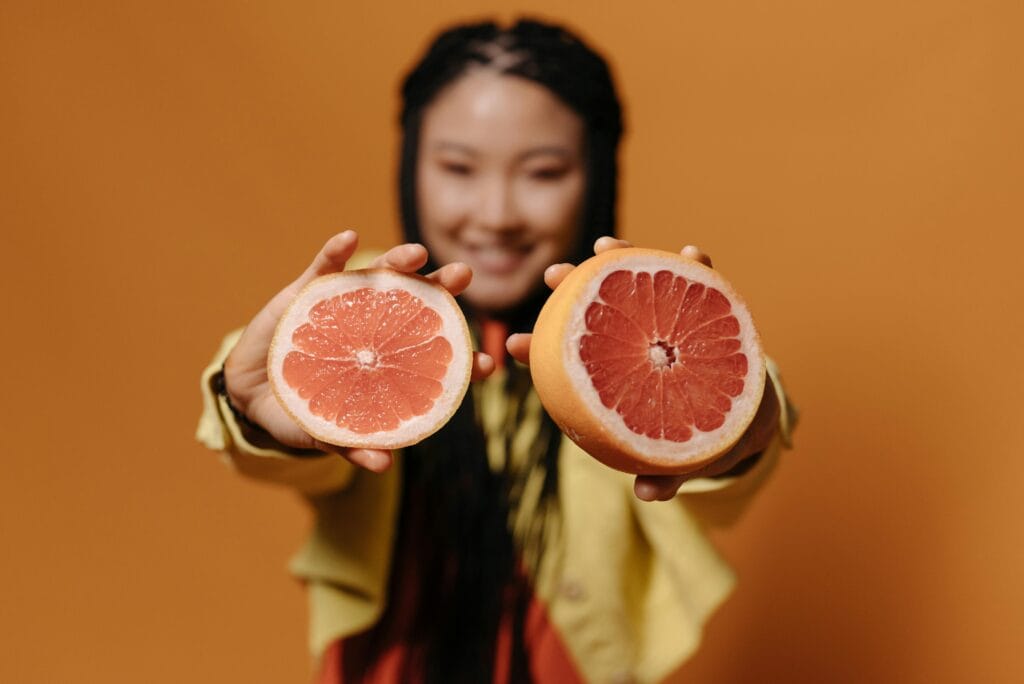
Grapefruit contains a unique flavonoid called naringenin. Research suggests that naringenin can help the liver burn fat rather than store it, improving “metabolic flexibility.” This is the body’s ability to switch between burning carbs and burning fat for fuel. Maintaining this flexibility is a hallmark of “Super-Agers”.
8. Lemons and Limes: The Liver Detoxifiers
While you might not snack on a lemon, incorporating the juice and zest into your water is a surgeon-approved habit. These citrus fruits are high in limonoids, which activate phase II detoxification enzymes in the liver. A clean, efficient liver is your best defense against the environmental toxins that accelerate the aging of your skin and organs.
How to Eat Fruit for Maximum Longevity
Even with the “right” fruits, timing and context matter. If you want to protect your gut and fight aging, you should follow these three “Surgeon’s Rules” for fruit consumption:
- Never Eat Fruit on an Empty Stomach: If you eat fruit alone, even low-sugar fruit, the fructose hits your system faster. Always “clothe” your carbs by eating them with a fat or a protein, like Greek yogurt or a handful of walnuts.
- Keep the Skin On: Most of the anti-aging polyphenols are in the skin. When you juice a fruit, you remove the fiber and concentrate the sugar, which is a recipe for a “longevity disaster.”
- Choose Organic for Berries: Berries consistently top the “Dirty Dozen” list for pesticide residue. Pesticides are known disruptors of the gut microbiome, so if you are going to splurge on organic, do it for your fruit.
Related Articles
- The Breakfast Brain Hack: 6 Expert-Approved Cereals That End Brain Fog and Sharpen Focus
- What Eating Carrots Daily Does to Your Blood Sugar — The Surprising Truth
- Why Your Morning Coffee Might Be Sabotaging Your Gut — And What to Do
- The “Hunger Loop”: 10 “Healthy” Foods That Secretly Disable Your Satiety Switch
- The “Gut Sweep” Hack: The Tiny Seed That Boosts Fiber by 62% Instantly