FREE SHIPPING OVER $50
Forget the Gym: 5 “Anti-Aging” Hobbies That Reverse Your Biological Age Faster Than Cardio

For decades, we have been told that the only way to stay young is to log grueling hours on a treadmill or lift heavy weights until our joints ache. While physical activity is essential, the “no pain, no gain” mentality often misses a crucial component of longevity: cellular stress management. Studies in epigenetics suggest that your biological age is influenced more by your nervous system’s state than by your heart rate during a workout. If you are constantly pushing your body in a high-cortisol gym environment, you might actually be accelerating cellular aging rather than reversing it.
The secret to a 100-year body often lies in “low-impact, high-engagement” activities. These hobbies trigger the release of BDNF (Brain-Derived Neurotrophic Factor), lower systemic inflammation, and protect your telomeres—the protective caps on your DNA. By shifting your focus from “burning calories” to “building biological resilience,” you can achieve a youthful vitality that most gym-goers struggle to find. Here are five hobbies that act as a biological time machine for your cells.
The Science of Biological Age vs. Chronological Age
Chronological age is simply the number of candles on your birthday cake. Biological age, however, is a measurement of DNA methylation and cellular health. When you are under chronic stress, your body enters a state of “survival,” which prioritizes immediate function over long-term cellular repair. This is where the gym can sometimes fail us; high-intensity cardio can keep you in a sympathetic “fight or flight” state.
In contrast, hobbies that induce a “flow state” shift your body into the parasympathetic nervous system. This is the only state in which your body performs deep cellular cleanup, a process known as autophagy. By engaging in the right hobbies, you create a hormonal environment that signals your cells to stay in “repair mode” rather than “survival mode.”
How Anti-Aging Hobbies Compare to Traditional Cardio
| Feature | High-Intensity Cardio | Anti-Aging Hobbies |
| Primary Hormone | Cortisol (Stress) | Oxytocin/Dopamine (Repair) |
| Brain Impact | Stress Resilience | Neurogenesis (New Neurons) |
| Cellular Effect | Oxidative Stress | Autophagy & Repair |
| Social Connection | Often Isolated | High Community Engagement |
| Long-Term Adherence | Low (Feels like “Work”) | High (Feels like “Play”) |
5 “Anti-Aging” Hobbies That Reverse Your Biological Age
1. High-Precision Gardening
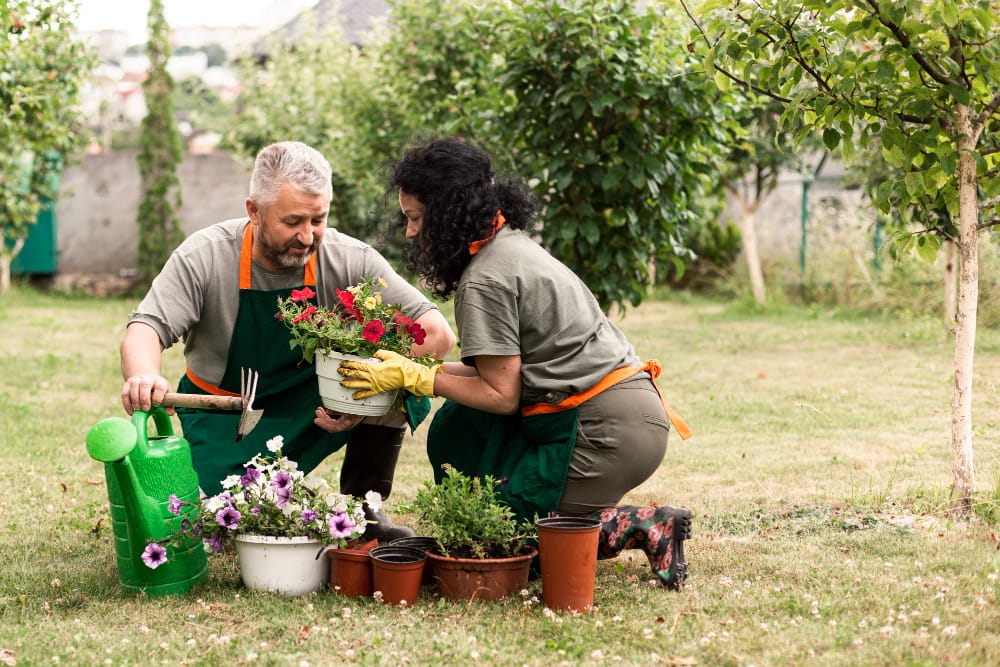
Gardening is often dismissed as a “senior” pastime, but it is actually one of the most powerful longevity hacks available. It combines low-intensity functional movement with “grounding” and exposure to beneficial soil microbes. Specifically, exposure to Mycobacterium vaccae, a healthy bacteria found in soil, has been shown to mirror the effects of antidepressants by boosting serotonin levels in the brain.
Beyond the microbes, gardening requires fine motor skills and “executive function” planning. This keeps the brain’s neural pathways sharp. Research into “Blue Zones” shows that nearly all centenarians share a common habit: they spend time in their gardens daily. This consistent, low-level activity prevents the stiffening of arteries more effectively than sporadic, intense gym sessions.
2. Strategy-Based Social Gaming (Chess or Bridge)
Physical aging is often preceded by cognitive decline. If the brain starts to “thin,” the body follows suit. Strategy games like Chess, Bridge, or even complex modern board games act as a weight-lifting session for your prefrontal cortex. These activities require you to hold multiple variables in your mind, which strengthens your “cognitive reserve.”
A higher cognitive reserve means your brain can better withstand the physical damage of aging. Moreover, the social element of these games is vital. Social isolation is as damaging to your biological age as smoking 15 cigarettes a day. By playing strategy games with others, you lower your heart rate and reduce the “loneliness-induced inflammation” that leads to rapid aging.
3. “Flow State” Creative Arts (Pottery or Painting)
When you lose yourself in a creative task, you enter what psychologists call “Flow.” In this state, your brain waves shift from high-frequency Beta waves to slower Alpha and Theta waves. This shift is a biological reset button. It flushes the brain of metabolic waste and lowers levels of interleukin-6, a primary marker of systemic inflammation.
Pottery, in particular, is highly effective because it involves “tactile stimulation.” Using your hands to shape clay sends massive amounts of sensory data to the brain, maintaining the density of the somatosensory cortex. This prevents the loss of coordination and balance that typically comes with age.
4. Group Dancing (The Ultimate Longevity Multiplier)
If you must choose only one hobby to replace the gym, make it dancing. Dancing is unique because it requires four different anti-aging components simultaneously: cardiovascular activity, coordination, emotional expression, and social interaction. A landmark study found that dancing was the only physical activity associated with a lower risk of dementia, outperforming walking and swimming by a significant margin.
Because you have to remember steps and synchronize with a partner or the music, your brain is constantly forming new synapses. This “neuroplasticity” is the hallmark of a young biological age. It forces your heart, brain, and muscles to work in a rhythmic harmony that standard cardio simply cannot replicate.
5. Learning a New Language
Most people think of language learning as a school subject, but it is actually a profound biological stimulant. Learning a foreign language increases the white matter integrity in your brain and strengthens the “executive control” network. This is the part of your brain that manages everything from your balance to your immune response.
Bilingual individuals typically show symptoms of Alzheimer’s four to five years later than monolingual individuals. The sheer effort of switching between language “systems” keeps the brain in a youthful, adaptive state. This mental flexibility translates to physical resilience, as a more “plastic” brain is better at regulating the body’s hormonal responses to stress.
Why “Play” Reverses Aging Better Than “Work”
The fundamental reason these hobbies outperform the gym is the absence of “performance anxiety.” When we go to the gym, we are often tracking metrics, comparing ourselves to others, and viewing the activity as a chore. This mindset triggers the “stress axis” (the HPA axis), which can lead to oxidative damage.
Anti-aging hobbies, however, are rooted in “Autotelic” motivation—meaning the activity is the reward itself. When you enjoy what you are doing, your body produces higher levels of DHEA. DHEA is often called the “fountain of youth” hormone because it counteracts the damaging effects of cortisol and promotes tissue repair. By choosing play over work, you are literally changing your internal chemistry to favor longevity.
Related Articles
- Lying Down for a Blood Pressure Check Reveals Hidden Heart Risk — What Doctors Miss
- Stop Saying “I’m Too Old” — 6 Toxic Thoughts That Speed Up Aging
- The “Can Your Toes Do This? It Might Predict How Long You’ll Live”
- The “Laughter Shield”: The Surprising Way Joy Floods Your Brain with Alzheimer’s-Fighting Chemicals
- The Bone-Density Myth: Why 70% of Adults Are Silently Starving Their Skeleton (The New Protein Rule)