FREE SHIPPING OVER $50

It’s Not All in Your Head: 5 Ways Your Gut Is Secretly Sabotaging Your Brain (And How to Fix It)

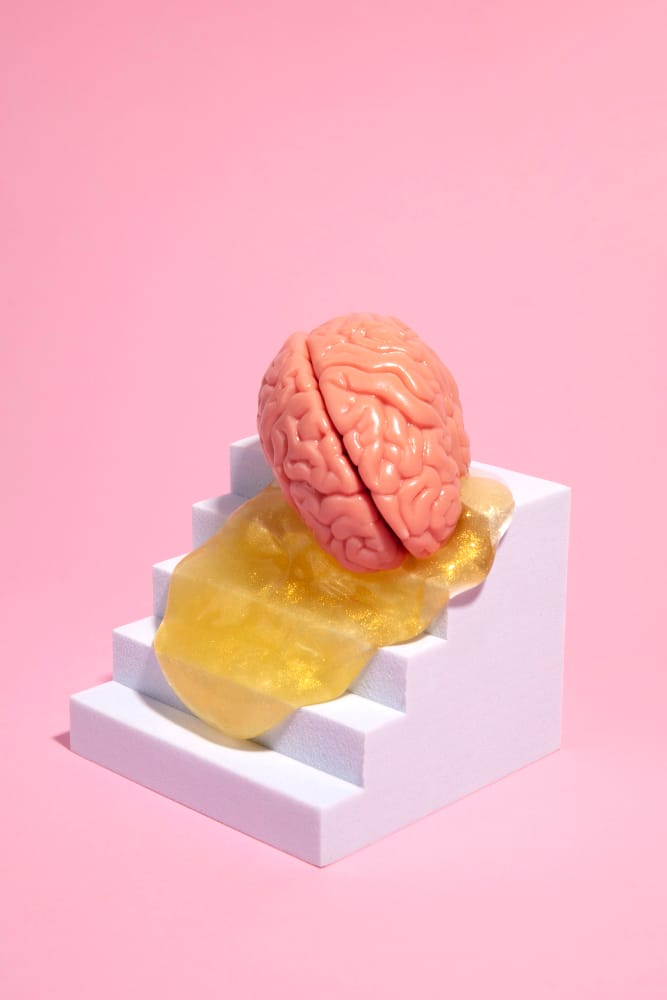
We often treat our brains and our bodies as two separate entities. When you feel anxious, foggy, or unmotivated, you likely assume it is a “mental” issue—perhaps a lack of willpower or a byproduct of a stressful week. However, groundbreaking research into the gut-brain axis suggests that your “second brain” in your gut might be the one pulling the strings. Your digestive tract is home to trillions of microbes that do much more than just break down breakfast; they produce neurotransmitters, regulate inflammation, and send constant signals to your brain via the vagus nerve.
If your gut microbiome is out of balance (a state known as dysbiosis), it doesn’t just stay in your stomach. It can hijack your emotions, dictate your cravings, and even shut down your focus. This biological sabotage is why you can have a “perfect” life on paper but still feel emotionally drained. To truly fix your mental health and fitness performance, you have to stop looking at the head and start looking at the gut. Here are five specific ways your gut is secretly sabotaging your brain and the actionable steps to fix the conversation.
The Gut-Brain Axis: The Body’s Secret Superhighway
The connection between your gut and your brain is a two-way street, but current science shows that about 90% of the fibers in the vagus nerve are actually sending information from the gut to the brain, not the other way around. This means your gut is the primary “reporter” of your internal state. If your gut is inflamed, your brain receives a “code red” signal, which often manifests as anxiety or depression.
Furthermore, your gut is the primary manufacturing plant for “happiness chemicals.” While we associate serotonin with the brain, nearly 95% of the body’s serotonin is produced in the digestive tract. If your gut environment is toxic, your production of these mood-stabilizing chemicals drops, leaving you vulnerable to mood swings and low motivation.
Healthy Gut vs. Sabotaging Gut
| Feature | Healthy Gut (Symbiosis) | Sabotaging Gut (Dysbiosis) |
| Mood | Stable and Resilient | Anxious and Irritable |
| Mental Clarity | Sharp Focus | Persistent “Brain Fog” |
| Cravings | Balanced Appetite | Intense Sugar/Carb Cravings |
| Serotonin | High Production | Inhibited Production |
| Energy | Consistent and High | Crashes and Fatigue |
5 Ways Your Gut Is Sabotaging Your Brain
1. The Serotonin Hijack (Mood Crashes)
As mentioned, the gut produces the vast majority of your serotonin. This neurotransmitter is responsible for feelings of well-being and happiness. However, specific “bad” bacteria can interfere with the metabolic pathways that produce serotonin. Instead of making happiness chemicals, your body might start producing neurotoxic byproducts like quinolinic acid.
When this happens, you don’t just feel “sad”; you feel biologically incapable of maintaining a positive mood. This sabotage makes it nearly impossible to stick to a fitness routine or a healthy diet because your brain is desperately searching for an external “hit” of dopamine to compensate for the lack of serotonin.
2. The Vagus Nerve Anxiety Loop
The vagus nerve is the physical link between your gut and your brainstem. Under normal conditions, it promotes the “rest and digest” state. However, when the gut lining is compromised—often called “leaky gut”—lipopolysaccharides (LPS) can leak into the bloodstream. These are pro-inflammatory molecules that trigger an immune response.
Once the brain senses this inflammation via the vagus nerve, it enters a state of high alert. This is why many people experience “gut-instinct” anxiety. You feel a sense of impending doom or nervousness even when nothing is wrong in your external environment. Your gut is literally “screaming” a danger signal to your brain.
3. The Sugar-Craving Puppet Master
Have you ever felt like you weren’t the one choosing to eat that donut? You might be right. Certain microbes, like Candida and specific strains of Firmicutes, thrive on simple sugars. These microbes can alter your taste receptors and even release chemicals that make you feel miserable until you feed them their preferred fuel.
This is a classic form of biological sabotage. These bacteria send signals to your brain that mimic genuine hunger or intense cravings. By highjacking your reward system, they ensure their own survival while wrecking your metabolic health and fitness goals.
4. Brain Fog and Mitochondrial Shutdown
If you find yourself staring at your computer screen unable to focus, your gut may be to blame. When your gut is in a state of chronic inflammation, your body enters a “sickness behavior” mode. This is an evolutionary survival mechanism designed to conserve energy.
In this state, the body reduces energy delivery to the prefrontal cortex—the part of the brain responsible for focus and decision-making. Simultaneously, gut-derived toxins can cross the blood-brain barrier, causing “neuro-inflammation.” The result is that “spaced out” feeling where your brain simply refuses to fire on all cylinders.
5. Sleep Sabotage and the Circadian Rhythm
Your gut microbes have their own circadian rhythm. They produce sleep-inducing precursors like tryptophan and melatonin. If your gut is out of sync due to late-night snacking or a diet of processed foods, your internal clock gets “reset” in a way that disrupts your sleep cycles.
Poor sleep then creates a vicious cycle: it increases your hunger hormones (ghrelin) and decreases your “fullness” hormones (leptin). This gut-driven sleep sabotage leads to weight gain and decreased athletic recovery, making your time in the gym far less effective.
How to Fix It: The Gut-Brain Reset
The good news is that the microbiome is incredibly plastic. You can begin to change the “conversation” between your gut and your brain in as little as 24 hours by changing what you put at the end of your fork.
- Diversify Your Fiber: Beneficial bacteria thrive on variety. Aim for 30 different plant-based foods per week (including nuts, seeds, and spices). This “crowds out” the sugar-craving microbes.
- Prioritize Polyphenols: Foods like dark berries, green tea, and extra virgin olive oil act as fuel for “longevity bacteria” like Akkermansia, which strengthen the gut lining.
- Fermented Foods: Incorporate a small serving of sauerkraut, kimchi, or kefir daily. These provide “transient” probiotics that help lower systemic inflammation.
- Manage Stress Mechanically: Since the vagus nerve is a two-way street, you can calm your gut by calming your brain. Use deep diaphragmatic breathing or cold exposure (like a 30-second cold shower) to “tone” your vagus nerve.
- The 12-Hour Fast: Give your gut a break. A simple 12-hour window between dinner and breakfast allows the “Migrating Motor Complex” to sweep out waste and harmful bacteria from the small intestine.
Related Articles
- How Bay Leaf Tea Works: 7 Natural Fat-Melting Benefits Experts Won’t Tell You
- Lose Belly Fat with Your Microbiome: 7 Probiotic Wins That Actually Work
- The 6 PM Myth: Why Science Now Says Late-Night Eating Is the Ultimate Metabolism Reset
- The Internal Broom: Why 1 Cup of This Veggie Clears Bloat Better Than Supplements
- Warning: Your Spicy Diet Might Be Ruining Your Gut. Use This “Cooling” Hack to Instantly Reset Your Metabolism