FREE SHIPPING OVER $50

7 Unexpected Foods That Pack More Healthy Fat Than an Avocado

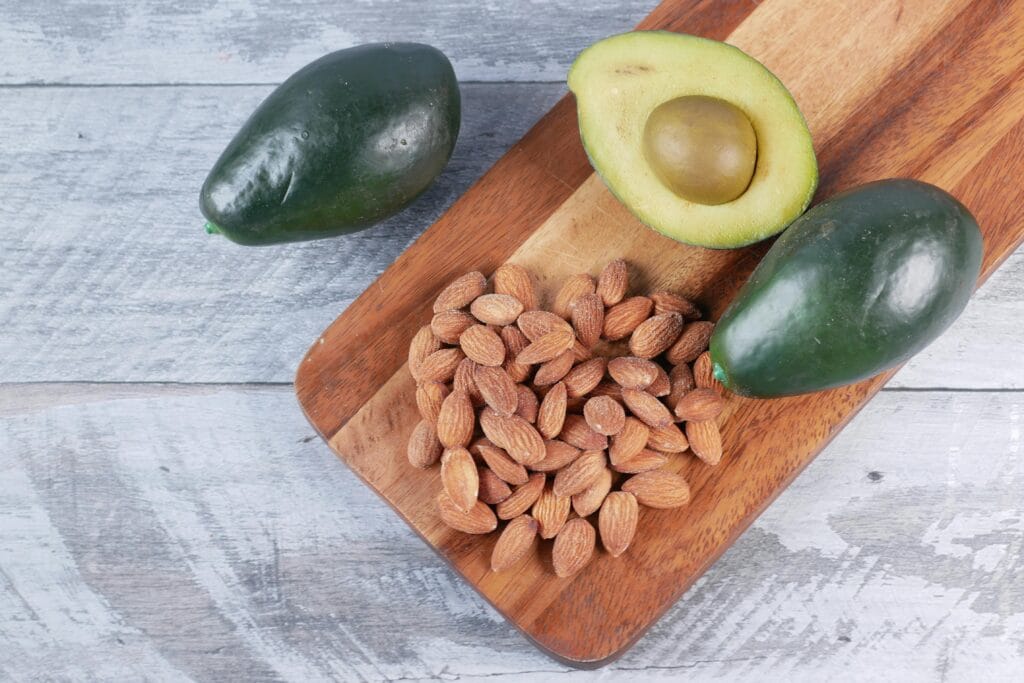
If you walked into any grocery store today and asked ten people to name the ultimate “healthy fat” food, at least nine of them would point straight to the avocado. We have collectively crowned the avocado as the king of nutrition, and for good reason. It’s creamy, delicious, and packed with the kind of monounsaturated fats that make your heart and brain very happy. However, there is a small problem with our avocado obsession: the “perfect ripeness” window lasts about five seconds, and quite frankly, we might be missing out on even more potent sources of fuel.
While the avocado is certainly a nutritional heavyweight, it isn’t the only player in the game. In fact, if we look at fat density—the amount of healthy lipids per serving—several pantry staples and snacks actually outrank our favorite green fruit. Whether you are looking to boost your cognitive function, stay full longer on a keto diet, or simply mix up your nutrient profile, it’s time to look beyond the guacamole bowl.
The Avocado Benchmark: Why We Love It
Before we dive into the challengers, we need to set the stage. A medium-sized avocado typically contains between 22 and 30 grams of fat. About 70% of that is oleic acid, the same monounsaturated fatty acid found in olive oil. This is the “good stuff” that helps lower bad cholesterol and supports skin elasticity.
When we say a food has “more fat” than an avocado, we are looking at specific serving sizes and the density of those nutrients. While an avocado is roughly 80% water and fiber, the following foods are more concentrated. This means you can often get more “brain fuel” in a smaller portion size.
7 Foods With More Healthy Fats Than An Avocado
1. Macadamia Nuts (The Ultimate Fat Bomb)
If the avocado is the king of fats, the macadamia nut is the emperor. These buttery, tropical nuts are nearly 75% fat by weight. While a whole avocado gives you around 25 grams of fat, just one cup of macadamia nuts packs a staggering 100 grams of fat.
Even if you only eat a small handful (about 1 ounce), you are getting roughly 21 grams of fat. Macadamias are particularly special because they are incredibly low in Omega-6 (pro-inflammatory) fats and very high in monounsaturated fats. They are effectively “portable avocados” that don’t go brown in your bag.
2. Hemp Hearts (Small but Mighty)
Most people think of hemp seeds as a protein source, and while they do contain a lot of plant-based protein, they are actually “fat seeds” at heart. Just three tablespoons of hemp hearts contain about 15 grams of fat.
This might seem lower than a whole avocado, but look at the density: by weight, hemp hearts are about 50% fat. They also provide a perfect 3:1 ratio of Omega-6 to Omega-3 fatty acids. If you sprinkle these on your salad or blend them into a smoothie, you are getting a highly concentrated dose of anti-inflammatory lipids that are much easier for your body to absorb than the bulkier fats in an avocado.
3. Walnuts (The Brain’s Best Friend)
Walnuts are unique because they are one of the few plant sources significantly high in Alpha-linolenic acid (ALA), a type of Omega-3 fatty acid. A standard one-cup serving of walnuts contains about 65 grams of fat.
| Benefit | How It Works | Result |
| Cognitive Support | High ALA Omega-3 levels | Improved memory and focus |
| Artery Protection | Improves endothelial function | Lower risk of heart disease |
| Satiety | High fat and fiber combo | Reduced cravings between meals |
While avocados are great for the heart, walnuts are specifically tailored for the brain. The high fat content in walnuts helps build the myelin sheath, the protective coating around your nerves that ensures fast communication between your brain cells.
4. Pecans (The Antioxidant Leader)
Pecans often get a bad reputation because we usually see them buried in sugary pies. However, in their raw state, they are nutritional powerhouses. A cup of pecans contains approximately 71 grams of fat.
What makes pecans stand out even more than avocados is their antioxidant profile. They contain more flavonoids than any other nut. These antioxidants protect the healthy fats from “oxidizing” in your bloodstream. This means the fat you get from pecans stays “clean” and effective for longer, helping to protect your cells from the damage caused by modern stress and pollution.
5. Extra Virgin Olive Oil (The Liquid Gold)
This might feel like cheating since it’s an oil, but most people don’t realize that just two tablespoons of high-quality extra virgin olive oil (EVOO) contain about 28 grams of fat. This is roughly the same amount of fat as an entire medium avocado.
The advantage of EVOO is its versatility. You can drizzle it over almost anything to instantly “up” the fat content of a meal without adding the bulk of a whole fruit. Transitioning from processed vegetable oils to EVOO is perhaps the single most effective way to improve your lipid profile. It provides the same oleic acid as the avocado but in a much more bioavailable, concentrated form.
6. Dark Chocolate (85% Cocoa or Higher)
Yes, you read that correctly. High-quality dark chocolate is a fat source, not just a treat. Cocoa butter is rich in stearic acid, a type of saturated fat that—unlike the fats in red meat—does not raise “bad” LDL cholesterol.
A 100-gram bar of 85% dark chocolate contains about 45 to 50 grams of fat. While we don’t recommend eating an entire bar in one sitting, a few squares provide a significant dose of healthy fats alongside polyphenols that improve blood flow. It is one of the few “functional foods” that satisfies a sweet tooth while actually supporting your cardiovascular system.
7. Tahini (Sesame Seed Butter)
If you’ve ever had hummus, you’ve had tahini. This paste made from toasted sesame seeds is incredibly dense. Just a half-cup of tahini contains about 60 grams of fat.
Tahini is a fantastic avocado alternative for people who need more calcium. It’s a “fluid” fat, meaning it’s easy for the digestive system to process. It also contains sesamin and sesamolin, two unique fibers that have been shown to lower cholesterol and prevent high blood pressure. Because it is a paste, its nutrients are more “unlocked” than the fats inside a whole seed or nut.
Why “Fat Density” is the Key to Longevity
In the US, we have spent decades being told that “low fat” is the way to health. However, recent science has flipped that on its head. Our brains are roughly 60% fat. Our hormones are made from cholesterol and fats. When we deprive ourselves of high-quality lipids, we experience “brain fog,” hormonal imbalances, and constant hunger.
The reason these seven foods are so important is that they provide Metabolic Flexibility. When you eat fat-dense foods, your body learns to burn fat for fuel rather than relying on the “sugar roller coaster” of carbohydrates. This leads to steadier energy throughout the day and a much easier time maintaining a healthy weight. While the avocado is a great “entry-level” healthy fat, these seven challengers provide the “advanced” nutrition your body needs to thrive.
Related Articles
- The Lazy Guide to Quitting Sugar: 9 “Micro-Hacks” That Feel Like Cheating
- The “Crispy” Trap: Why Your Air Fryer is Flooding Your Body with Aging Toxins (AGEs)
- The “Savory Shield”: The 1-Minute Appetizer That “Locks” Insulin and Blocks Fat Storage
- Forget Pomegranate Seeds: The $2 Superfood with 5x More Antioxidants (Plus 9 Others You’re Missing)
- Never Do This After Eating Salty Foods—Doctors Say It Can Spike Heart Attack Risk