FREE SHIPPING OVER $50

15 Fitness Lies Men Over 50 Still Believe (And the Truth That Keeps You Strong)

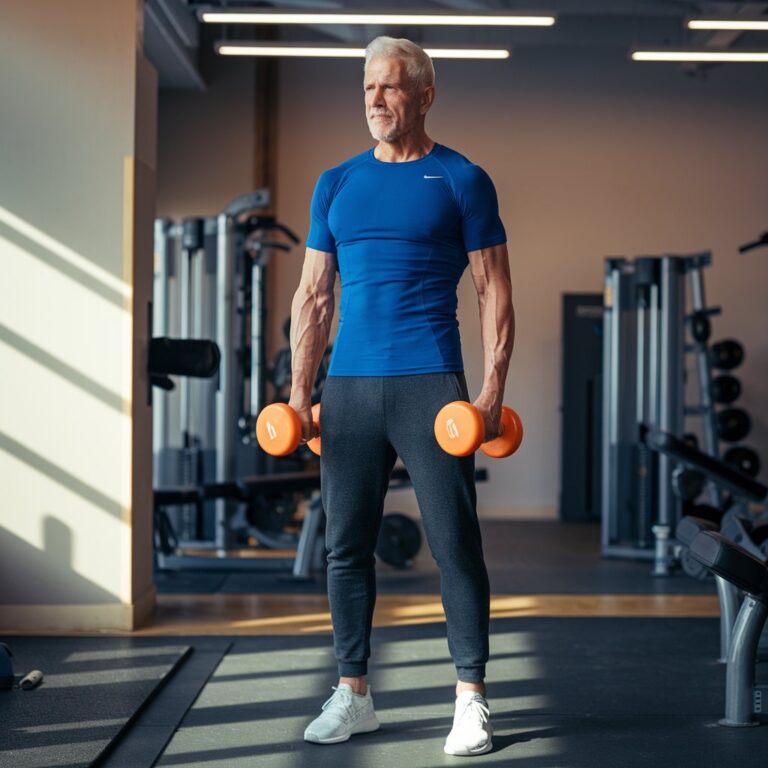
For men over 50, the fitness landscape can feel like a minefield. You grew up hearing rules about “no pain, no gain” and hours of steady-state cardio. Now, you’re constantly bombarded with conflicting advice—from trendy new workouts to warnings about protecting your knees and lower back. Because of this confusion, many guys default to outdated fitness lies they picked up decades ago, unknowingly sabotaging their strength, accelerating muscle loss (sarcopenia), and missing out on the best years of their longevity.
The good news is that science has evolved. Strength and mobility don’t have to decline dramatically after 50. In fact, by exposing these 15 fitness lies men over 50 still cling to, you can make smarter exercise choices that deliver maximum return on your effort. It’s time to stop believing these lies, throw out the counterproductive advice, and adopt the modern truths that will keep you strong, agile, and energized well into your later decades.
Lies About Strength Training and Muscle Loss
These myths prevent men from building the muscle mass necessary for longevity and metabolic health.
1. Lie: You’re Too Old to Build Serious Muscle.
- The Truth: You are never too old to build muscle. Sarcopenia (age-related muscle loss) is a genuine concern. Still, research shows that men over 50 who consistently lift weights can experience the same rate of muscle protein synthesis as younger men. Consistency and proper nutrition (especially protein intake) are the keys to regaining and building significant strength.
2. Lie: Use Light Weights and High Reps to “Tone” Safely.
- The Truth: Lifting light weights is insufficient to stimulate significant muscle growth or maintain bone density. To combat sarcopenia effectively, you must lift heavy enough to challenge the muscles. This generally means lifting a weight you can handle for 6 to 12 repetitions before fatigue sets in. This stress is necessary to signal the body to maintain or build muscle.
3. Lie: Only Machines are Safe After 50.
- The Truth: While machines can be useful, they stabilize the weight for you, ignoring the small, crucial stabilizer muscles that protect your joints in daily life. Free weights (dumbbells and kettlebells) and bodyweight exercises force your core, hips, and shoulders to stabilize, which is the key to functional strength, longevity, and preventing falls.
4. Lie: You Need Long, Marathon Weight Sessions.
- The Truth: Time efficiency is the key. A high-quality, 30-to-45-minute session focusing on compound movements (like squats, rows, and overhead presses) is far more effective than an hour-long session spent mostly scrolling your phone. Prioritize intensity and compound exercises for maximum strength and metabolic effect.
Lies About Cardio and Metabolism
These myths focus on outdated ideas about fat burning and often sacrifice valuable muscle mass.
5. Lie: Steady-State Cardio is the Best Way to Burn Fat.
- The Truth: While steady-state walking is great for health, High-Intensity Interval Training (HIIT) and strength training are superior for fat burning and metabolism. Strength training builds muscle, which increases your resting metabolic rate (burning more calories 24/7). HIIT is proven to be a highly efficient way to burn fat and improve cardiovascular health in less time.
6. Lie: You Must Keep Your Heart Rate in the ‘Fat Burning Zone.’
- The Truth: The “fat-burning zone” is a myth. You might burn a slightly higher percentage of calories from fat at a lower heart rate, but you burn far fewer total calories. Weight loss depends on the total calorie deficit, not the fuel source used during the exercise. Focus on getting your heart rate up for maximum cardiovascular and calorie burn benefits.
7. Lie: Don’t Lift Weights If You Have Bad Knees/Joints.
- The Truth: Lack of strength is usually the cause of joint pain, not the cure. Doctors and physical therapists stress that controlled strength training (like Box Squats or Glute Bridges) is the best fix for knee pain. Strengthening the surrounding muscles (glutes, quads, hips) stabilizes the joint, relieving pain and preventing further damage.
Lies About Mobility and Joint Health
These myths often lead to static, ineffective stretching or avoidance of necessary movement.
8. Lie: Static Stretching Before a Workout Prevents Injury.
- The Truth: Static stretching (holding a stretch for 30 seconds) on cold muscles can actually weaken the muscle temporarily and increase the risk of injury. The truth is that dynamic stretching (controlled movements like arm circles or leg swings) before your workout to warm up the muscles and joints. Save the static stretching for after the workout.
9. Lie: If a Movement Hurts, You Should Stop It Forever.
- The Truth: If a movement causes sharp pain, stop immediately. However, if it causes a dull ache or discomfort, the truth is you usually need to modify the movement rather than quit it entirely. For example, switch a deep barbell squat to a shallow Box Squat or a Goblet Squat. Movement is medicine, and avoidance leads to stiffness and further weakness.
10. Lie: You Should Only Train Each Muscle Once Per Week.
- The Truth: Once a week might have been enough in your twenties, but after 50, your muscles need a more frequent stimulus due to slower muscle protein synthesis. Training each major muscle group (like the legs or chest) two times per week is a far more effective strategy for maximizing strength and muscle longevity.
Lies About Recovery and Longevity
These myths undermine the most critical factors for aging well: sleep and nutrition.
11. Lie: You Need Expensive Supplements to Build Muscle.
- The Truth: The vast majority of supplements are unnecessary. For men over 50, the two keys are protein and creatine. Ensure you are eating at least 0.7 grams of protein per pound of body weight to fuel muscle repair. Creatine is one of the most studied, safest supplements available and is proven to boost strength and cognitive function in older adults.
12. Lie: You Can Exercise Away a Bad Diet.
- The Truth: Nutrition is the foundation of longevity and fitness. You cannot out-train a poor diet filled with processed foods and excess sugar. The truth is that muscle repair requires quality protein, and metabolic health demands stabilized blood sugar. Focus on whole, unprocessed foods first; exercise amplifies a good diet, but it cannot fix a bad one.
13. Lie: Sleeping Less is Just Part of Getting Older.
- The Truth: Poor sleep is an aging accelerator. Quality sleep is non-negotiable for muscle recovery because your body releases the majority of its Human Growth Hormone (HGH)—essential for muscle repair—during deep sleep cycles. Chronic sleep deprivation elevates cortisol (the stress hormone), actively promoting muscle breakdown. Prioritize 7 to 9 hours.
14. Lie: Losing Weight is the Only Goal That Matters.
- The Truth: Focusing solely on the scale is misleading and potentially harmful. The true longevity goals should be body composition and functional strength. Losing muscle while losing weight (which often happens with excessive cardio and poor diet) is detrimental to your metabolism and long-term health. Focus on increasing strength metrics and maintaining muscle mass.
15. Lie: If You Take a Break, You Lose Everything.
- The Truth: Muscle memory is real and powerful. While you will lose some strength and endurance during a break, your muscles retain the ability to rebuild rapidly when you return. The initial gains might take a few weeks to return, but you will quickly return to baseline strength. The most important thing is simply to get back to movement when you can.
Final Thoughts
The pursuit of strength and longevity after 50 isn’t about accepting limitations; it’s about shedding these 15 fitness lies men over 50 still believe. By debunking the myths about low-intensity workouts, ineffective static stretching, and the fear of heavy weights, you empower yourself to train smarter. Remember, your muscles still respond robustly to challenge. The truth that keeps you strong is the consistent application of functional strength training, prioritizing recovery (especially sleep and protein), and committing to movement that protects your joints by strengthening the surrounding muscles.
Related Articles
- Push-Ups Are Overrated—These 3 Shoulder Moves Build More Strength, Says a Weightlifting Coach
- The #1 Exercise Strategy for Managing PCOS—And Why Most Women Do It Wrong
- Struggling With Balance? This 1 Daily Habit Could Keep You Steady for Life
- Fix Your Posture at Home With These 5 Back Moves—No Equipment Needed
- Sick of Chronic Migraines? These 6 Yoga Moves + Breathwork Could Be Your Natural Relief